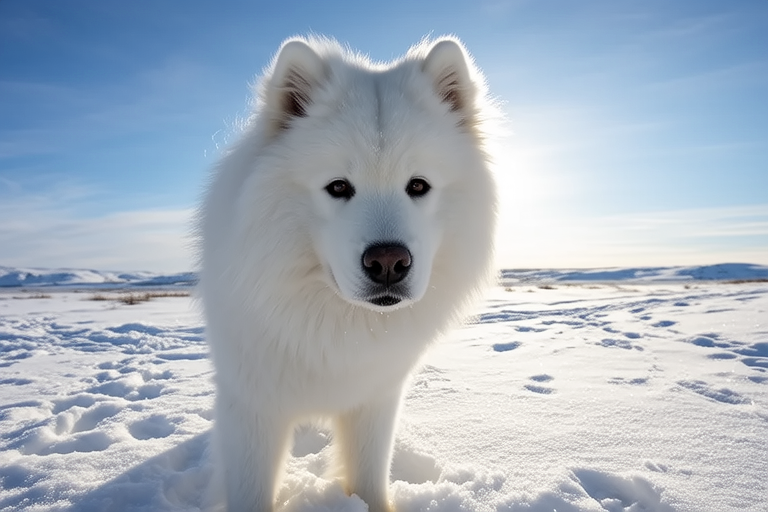
From Siberia with Love: Everything You Need to Know About Samoyeds
Welcome to a delightful journey into the world of Samoyeds, a breed that has captivated hearts and minds for centuries. Originating from the frosty lands of Siberia, these dogs have a rich history intertwined with indigenous tribes who relied on them for survival. Known for their striking white coats and warm, inviting smiles, Samoyeds have earned a reputation as loyal and affectionate companions. In this comprehensive guide, we will explore everything you need to know about Samoyeds, from their origins to their unique characteristics, health concerns, and how to care for them. Let’s dive in!
The Origins of Samoyeds
The Samoyed breed hails from the harsh and unforgiving landscapes of Siberia. They were originally bred by the nomadic Samoyede people, now known as the Nenets, who lived in close proximity with these dogs. The Samoyedes depended on Samoyeds for their survival. These dogs were not just pets but essential partners in hunting, herding reindeer, and providing warmth during the long, cold winters. Their thick double coats kept them warm in sub-zero temperatures, while their intelligence and loyalty made them invaluable helpers.
Samoyeds were also used to pull sleds across vast distances, making them indispensable for transportation. Their endurance and strength were legendary among the tribes, and their ability to thrive in extreme conditions was a testament to their resilience. Over time, the Samoyed’s reputation spread beyond Siberia, and they were eventually brought to Europe and North America, where they became popular as both working dogs and beloved family pets.
Physical Characteristics
One of the most striking features of Samoyeds is their luxurious, double-layered coat. The outer layer is made up of long, straight guard hairs that protect against the elements, while the undercoat is dense and woolly, providing excellent insulation. This coat comes in various shades of white, cream, or biscuit, though pure white is the most common and highly prized. Their distinctive “smile” is another hallmark of the breed, thanks to their upturned lips and black noses.
Samoyeds are medium-sized dogs, typically weighing between 45 and 65 pounds (20 to 30 kg) for males and 35 to 50 pounds (16 to 23 kg) for females. They stand about 19 to 23.5 inches (48 to 60 cm) tall at the shoulder. Despite their sturdy build, they possess a graceful and elegant appearance, which is further enhanced by their alert and expressive eyes. Their ears are triangular and erect, giving them an alert and intelligent look.
Temperament
Samoyeds are known for their friendly and outgoing nature. They are affectionate with their families, often forming strong bonds with children and other pets. Their playful demeanor makes them ideal companions for active households. However, they can be quite independent at times, so early socialization and consistent training are important to ensure they become well-adjusted members of the family.
Despite their gentle nature, Samoyeds can be vocal and may bark at strangers or unusual noises. This trait, while sometimes seen as a drawback, can also serve as a useful alarm system. It’s important to train them to distinguish between harmless and genuine threats. Additionally, their strong prey drive means they may chase small animals, so proper training and supervision are necessary when they’re around cats or other small creatures.
Health Considerations
While generally healthy, Samoyeds are prone to certain genetic health issues that potential owners should be aware of. Hip dysplasia, a condition affecting the hip joint, is one of the most common ailments. Regular veterinary check-ups and a balanced diet can help manage this condition. Another concern is progressive retinal atrophy (PRA), a degenerative eye disease that can lead to blindness. Responsible breeding practices and genetic testing can reduce the risk of these inherited disorders.
Samoyeds are also susceptible to hypothyroidism, a condition where the thyroid gland doesn’t produce enough hormones. Symptoms include weight gain, lethargy, and skin problems. Early detection and treatment with thyroid hormone supplements can effectively manage this condition. Additionally, their thick coats require regular grooming to prevent matting and skin irritations. Regular brushing and occasional baths will keep their coat healthy and prevent any underlying skin issues.
Care and Maintenance
Caring for a Samoyed involves more than just feeding and walking them; it requires dedication to their grooming and exercise needs. Their thick coats shed heavily twice a year during spring and fall, a process known as “blowing” their coat. During these periods, daily brushing is essential to remove loose hair and prevent mats. Even outside of shedding season, weekly brushing is recommended to maintain their coat’s health and appearance.
Exercise is equally important for Samoyeds. They are energetic dogs that require plenty of physical activity to stay healthy and happy. Daily walks and play sessions are necessary to keep them mentally stimulated and physically fit. Interactive toys and games like fetch or tug-of-war can also help burn off excess energy. However, it’s important to note that while they love outdoor activities, they should not be left outside for extended periods, especially in hot weather, as their thick coats can make them uncomfortable.
Training Techniques
Training a Samoyed requires patience and consistency. These dogs are intelligent and eager to please, but their independent streak can sometimes make them challenging to train. Positive reinforcement methods, such as treats and praise, work best with Samoyeds. Rewarding good behavior encourages them to repeat it, while ignoring unwanted behaviors helps discourage them.
Begging for food at the table is a common issue with many dog breeds, including Samoyeds. To address this, establish clear boundaries and avoid feeding them from the table. Instead, provide them with their own meals and snacks at designated times. Crate training can also be beneficial, helping to teach them proper bathroom habits and providing a safe space for them when needed.
Why Samoyeds Make Wonderful Companions
Samoyeds are more than just beautiful dogs; they are loving and devoted companions that bring joy to their families. Their loyalty and affection make them ideal pets for individuals and families looking for a loyal friend. Many owners attest to the emotional support Samoyeds provide, often describing them as the “glad dogs” due to their perpetually smiling faces.
Dr. Sarah Johnson, a veterinarian and dog behaviorist, emphasizes the importance of choosing the right breed based on lifestyle and personality. “Samoyeds are perfect for families who enjoy outdoor activities and have the time and energy to dedicate to their dogs,” she says. “Their playful and affectionate nature makes them wonderful companions, but they do require consistent training and attention to thrive.”
One owner, Jane Thompson, shares her experience with her Samoyed, Max. “Max has been a part of our family for five years now, and he brings so much happiness and laughter into our lives. He loves to play and is always ready for an adventure. His loyalty and protective nature give us peace of mind, and his smile never fails to brighten our day.”
In conclusion, Samoyeds are more than just beautiful dogs; they are loving and devoted companions that bring joy to their families. From their origins in Siberia to their roles as loyal friends today, Samoyeds have proven themselves to be remarkable dogs. With the right care, training, and attention, they can become cherished members of any household. Whether you’re an experienced dog owner or considering your first pet, a Samoyed could be the perfect addition to your family. Embrace the bond, enjoy the adventures, and let the love continue from Siberia with every wag of their tail.
