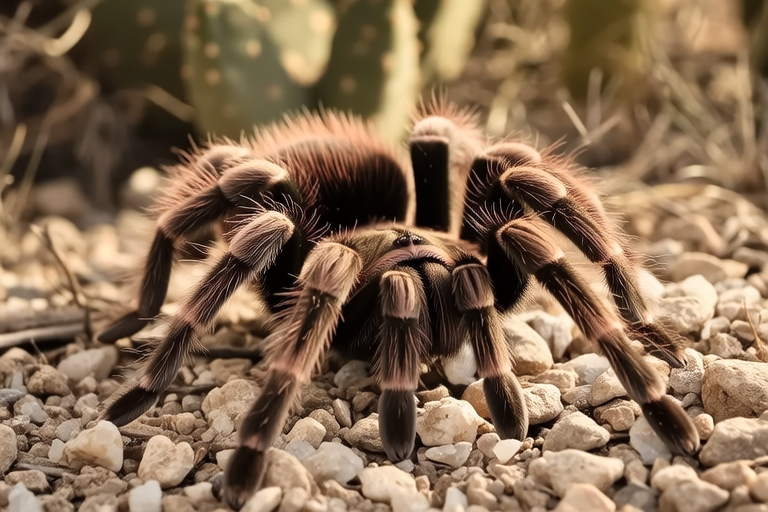
Top Secrets for Thriving with Your Chilean Rose Tarantula Pet
Welcome to the world of Chilean Rose Tarantulas! These captivating arachnids make wonderful pets for those who appreciate unique and low-maintenance companions. Whether you’re a seasoned spider enthusiast or just starting out, this guide will provide you with all the secrets to thriving with your Chilean Rose Tarantula. We’ll cover everything from habitat setup to feeding habits, handling techniques, and even dispelling common myths about these fascinating creatures.
Understanding Your Chilean Rose Tarantula
The Chilean Rose Tarantula (Grammostola rosea) is native to the deserts and scrublands of Chile, Argentina, and Peru. They are named for their distinctive pinkish-brown coloration that fades as they mature. Known for their docile nature, Chilean Rose Tarantulas are popular among beginners because they are relatively easy to care for compared to other tarantula species.
Habitat Setup
A well-prepared habitat is crucial for your tarantula’s health and happiness. Start by selecting an appropriately sized terrarium; a 10-gallon tank is suitable for an adult Chilean Rose Tarantula. Ensure the enclosure has proper ventilation and secure lids to prevent escapes. The substrate should be at least 3 inches deep, made of coconut fiber or eco-earth, which helps maintain humidity levels and provides a natural burrowing environment.
Incorporate climbing branches, cork bark pieces, or artificial plants to mimic their natural habitat. Provide a hide spot where your tarantula can retreat when feeling threatened or during molting periods. A shallow water dish should also be included, ensuring it is large enough for the tarantula to drink but small enough to avoid accidental drowning.
Temperature and Humidity Control
Maintaining optimal temperature and humidity levels is vital for your tarantula’s wellbeing. The ideal temperature range for a Chilean Rose Tarantula is between 78°F and 82°F (25°C to 28°C). Use a thermometer to monitor temperatures within the enclosure. If necessary, employ under-tank heating pads or heat lamps to achieve and maintain this range.
Humidity should be kept around 60%. This can be achieved through regular misting of the substrate or by placing a moisture-retaining sponge inside the enclosure. Be cautious not to overdo it, as excessive moisture can lead to respiratory issues or fungal growth.
Feeding Habits
Chilean Rose Tarantulas are carnivorous and primarily feed on insects such as crickets, mealworms, and dubia roaches. Feed juveniles every 5-7 days, while adults require meals less frequently—about once a week. Gut-load feeder insects with nutritious foods like vegetables or commercial insect diets before offering them to your tarantula.
It’s important to remove uneaten prey after 24 hours to prevent contamination. Always ensure that the size of the prey does not exceed half the width of your tarantula’s body to avoid potential digestive problems.
Handling Techniques
While Chilean Rose Tarantulas are generally docile, they can become stressed if handled improperly. Always handle your tarantula with care, gently scooping it up from behind rather than grabbing it directly. Avoid frequent handling sessions, as excessive stress can negatively impact their health.
Pay attention to signs of distress, such as leg waving or rearing up, which indicate that your tarantula prefers solitude. Remember, tarantulas have urticating hairs that can cause irritation if they feel threatened. Handling should be done infrequently and only when necessary.
Health Indicators
Regular observation is key to maintaining your tarantula’s health. Look for changes in behavior, appetite, and physical appearance. Healthy tarantulas are active and alert, eating regularly, and shedding their exoskeletons smoothly.
If you notice any unusual symptoms, such as lethargy, refusal to eat, or abnormal skin discoloration, consult a veterinarian specializing in exotic animals. Early intervention can prevent more serious health issues.
Common Myths About Tarantulas
There are several misconceptions surrounding tarantulas that need addressing:
- Myth: All tarantulas are aggressive. While some species can be defensive, Chilean Rose Tarantulas are known for their calm demeanor.
- Myth: Tarantulas are venomous and dangerous to humans. Their venom is mild and primarily used for subduing prey. In rare cases, allergic reactions may occur, so always seek medical attention if bitten.
- Myth: Tarantulas cannot be kept as pets. With proper care and understanding, many people enjoy keeping tarantulas as low-maintenance, fascinating companions.
Conclusion
Caring for a Chilean Rose Tarantula can be incredibly rewarding. By setting up a suitable habitat, controlling temperature and humidity, feeding appropriately, handling with care, monitoring health indicators, and understanding common myths, you can ensure your pet thrives. Remember, responsible pet ownership involves commitment and respect for these unique creatures.
Embrace the journey of learning about your tarantula’s needs and behaviors. Enjoy watching them grow and molt, exploring their environment, and appreciating their fascinating lives. Happy tarantula keeping!
