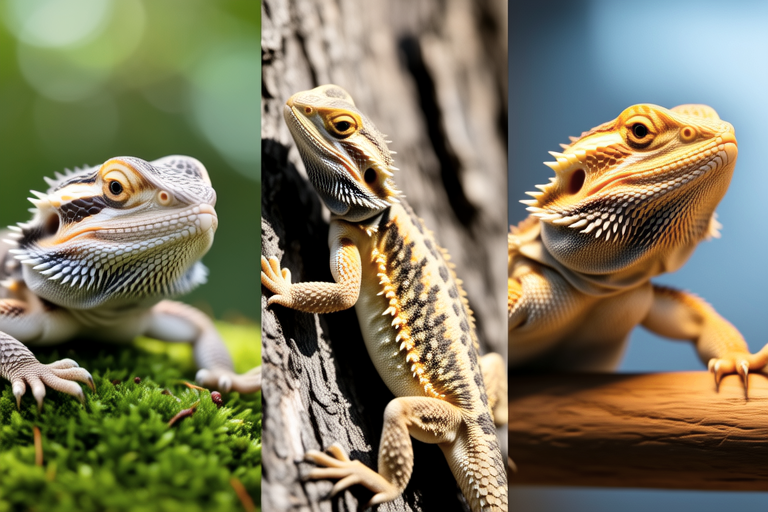
From Tiny Hatchling to Full-Size Adult: The Incredible Growth Journey of a Bearded Dragon
Welcome to the fascinating world of bearded dragons, one of the most popular reptiles among pet enthusiasts. These charismatic creatures, native to the arid regions of Australia, have become beloved pets due to their docile nature, striking appearance, and relatively easy care. With their unique ability to change the color of their beards to signal mood or temperature, bearded dragons offer a window into the intriguing behaviors of reptiles. This article will take you through the incredible journey from tiny hatchling to full-grown adult, detailing each developmental stage, care requirements, and tips for owners.
The Hatchling Stage: A New Beginning
Bearded dragon hatchlings are born weighing less than half an ounce and measuring only about three inches in length. At this stage, they are incredibly fragile and require specialized care. Their small size means that they can easily overheat or become dehydrated if not provided with the right environment. It’s crucial to maintain a temperature gradient within their enclosure, with a warm basking spot around 95-105°F and a cooler area around 80-85°F. Humidity levels should be kept low, around 30-40%, to prevent respiratory issues.
Hatchlings exhibit curious and cautious behavior, often hiding under rocks or burrowing into substrate for safety. They are also quite active, spending much of their time exploring their surroundings. In terms of diet, hatchlings need a variety of insects such as crickets, dubia roaches, and mealworms. Dust these insects with calcium and multivitamin supplements to ensure proper nutrition. Offering a shallow dish of water is essential, but it’s important to monitor it closely to avoid drowning accidents.
Tips for owners during this stage include frequent feeding every day, ensuring the enclosure is escape-proof, and providing plenty of hiding spots for security. Regular handling from a young age helps to socialize the dragon, making them more comfortable with human interaction.
Growth Milestones: The Juvenile Phase
As bearded dragons grow, they enter the juvenile phase, typically lasting from 6 months to 1 year of age. By this time, they have grown significantly, reaching lengths of 8-12 inches. Their bodies become more robust, and their colors may start to intensify, particularly in males who develop more prominent beards. Juveniles are more adventurous and playful, often climbing and basking more frequently.
Dietary needs change as well. While insects remain a staple, juveniles can begin to incorporate small amounts of leafy greens and other vegetables. It’s important to chop these items finely to prevent choking hazards. Continue dusting insects with calcium and multivitamins but reduce the frequency to once or twice a week.
Environmental needs evolve too. Juveniles benefit from a larger enclosure with more space for exploration and climbing. Provide sturdy branches or rocks for basking and climbing. The temperature gradient should still be maintained, with the basking spot around 95-105°F and the cooler area around 80-85°F. UVB lighting remains crucial for calcium absorption and overall health.
Owners should handle juveniles regularly but gently, allowing them to acclimate to human touch. This period is also a good time to introduce enrichment activities, such as providing various toys or rearranging the enclosure to stimulate their natural curiosity.
Moving Toward Adulthood: The Subadult Phase
The subadult phase occurs when bearded dragons reach approximately 1 year of age and measure between 12-18 inches. During this stage, they continue to grow rapidly, developing stronger muscles and more defined features. Their colors may become even more vibrant, especially around breeding season. Females often show more subtle color changes, while males tend to display brighter, more pronounced patterns.
Subadults have a varied diet that includes insects, vegetables, and occasional fruits like berries or melons. The amount of food they consume increases, reflecting their higher energy demands. Continue to provide calcium and multivitamin supplementation but adjust the frequency based on your dragon’s specific needs. Monitor their weight and adjust portion sizes accordingly.
The enclosure should now be large enough to accommodate their increased activity level. Ensure there are multiple basking spots and climbing areas. UVB lighting should cover at least 50% of the enclosure to support bone health and metabolism. Subadults also benefit from a more varied environment, with different textures and objects to explore.
Handling subadults should be done carefully, as they can become more defensive if they feel threatened. Always approach them slowly and avoid sudden movements. Continue to encourage positive interactions and reinforce the bond between owner and dragon.
Adulthood: Maturity and Stability
By the time bearded dragons reach adulthood, usually around 18-24 months, they have reached their full size, typically ranging from 18-24 inches in length. Adult bearded dragons exhibit distinct personalities and behaviors. Males are often more territorial and may puff out their beards to appear larger. Females tend to be more docile and social. Both sexes can become more independent, spending extended periods basking or lounging.
The adult diet consists mainly of insects, vegetables, and occasional fruits. Continue to provide a balanced diet rich in nutrients. Adult dragons require less frequent supplementation but should still have access to calcium and multivitamins. Water dishes should always be clean and fresh.
Adult bearded dragons thrive in spacious enclosures that mimic their natural habitat. A minimum of 4 feet by 2 feet by 2 feet is recommended. Provide ample basking spots, climbing structures, and hiding places. UVB lighting remains essential, and regular exposure to natural sunlight (if possible) can be beneficial. Maintain a consistent temperature gradient, with basking spots around 95-105°F and cooler areas around 75-80°F.
Long-term care for adult bearded dragons involves regular health checks, including monitoring for signs of parasites or infections. Annual veterinary visits are advisable to ensure overall health. Owners should also engage in routine maintenance of the enclosure, cleaning and disinfecting surfaces regularly to prevent bacterial growth.
Conclusion: Cherishing the Journey
The growth journey of a bearded dragon from hatchling to adult is nothing short of remarkable. Each stage presents unique challenges and joys, requiring attentive care and dedication from owners. Whether you’re a novice reptile enthusiast or a seasoned keeper, understanding the developmental phases of your bearded dragon will help you provide the best possible environment and care. As your dragon matures, cherish the moments of discovery and bonding, knowing that you’ve played a vital role in their growth and well-being. With proper attention and love, your bearded dragon will lead a long, healthy, and fulfilling life.
