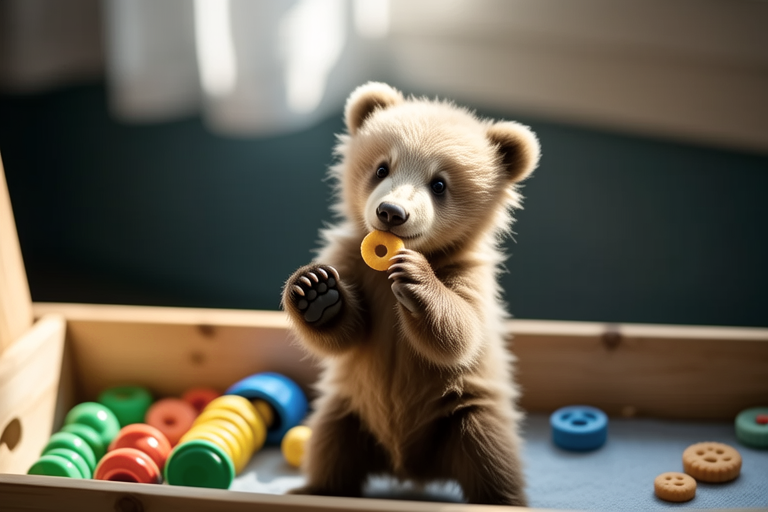
The Secret World of Golden Hamsters at Night
When the sun sets and the world around them grows quiet, golden hamsters embark on a fascinating nocturnal journey. These tiny creatures, often underestimated by their owners, lead an active and intriguing life during the night. Their biological clock, known as a circadian rhythm, is finely tuned to ensure they are most active when the rest of the world is at rest. This article delves into the daily activities and behaviors of golden hamsters during nighttime hours, revealing the secrets of their hidden world.
Sleeping Patterns: The Quiet Hours
Golden hamsters are crepuscular animals, meaning they are most active during twilight hours, just before dawn and dusk. However, they are also known to be primarily nocturnal, spending much of their waking time during the night. When their human companions are asleep, golden hamsters enter a deep slumber, typically lasting for several hours.
During sleep, a golden hamster’s heart rate slows down, and its body temperature drops slightly, allowing it to conserve energy. They often curl up into a ball, tucking their paws and nose under their bodies for warmth and protection. This sleeping position is not only cozy but also serves a practical purpose – it helps them stay safe from potential predators in the wild.
Interestingly, hamsters have a unique adaptation that allows them to enter a state of torpor. Torpor is a temporary hibernation-like state that enables them to survive periods of food scarcity or extreme cold. While this behavior is more common in Syrian hamsters, it can still occur in golden hamsters under certain conditions. During torpor, their metabolic rate decreases significantly, and they become less responsive to external stimuli.
Eating Habits in the Dark: A Feast Under the Covers
Once the night has fully set in, golden hamsters begin their feeding routine. These little creatures have a voracious appetite and will eat almost anything they can find. In the wild, they are omnivores, consuming seeds, fruits, vegetables, insects, and even small vertebrates. In captivity, their diet usually consists of commercial hamster food, fresh vegetables, and occasional treats like dried fruits or nuts.
Hamsters have cheek pouches, which are expandable pockets located inside their cheeks. These pouches allow them to carry food back to their nests for later consumption or storage. When foraging, a hamster will stuff as much food as possible into its pouches, creating bulging cheeks that give it a comical appearance. Once back at home, the hamster will empty its pouches into a stash for future meals.
It’s important to note that hamsters have a sensitive digestive system, and sudden changes in diet can cause health issues. Owners should gradually introduce new foods and monitor their pet’s reaction to ensure a balanced and healthy diet. Providing a variety of foods, including fresh vegetables and fruits, can help maintain their overall well-being.
Exercise Routines: Nighttime Gymnastics
Physical activity is crucial for a hamster’s health and well-being. During the night, golden hamsters engage in various forms of exercise, both in and out of their cages. Inside their enclosures, they run on wheels, climb structures, and explore tunnels. These activities not only keep them physically fit but also stimulate their minds, preventing boredom and potential behavioral issues.
One of the most iconic images of a hamster’s nightlife is the sight of them running on their exercise wheels. Hamsters are natural runners, and a single hamster can cover several miles in one night. The wheel provides an outlet for this instinctive behavior, allowing them to burn off excess energy and maintain muscle tone. It’s essential to provide a solid, non-slippery wheel to prevent injuries and ensure comfortable running.
Outside their cages, golden hamsters may engage in supervised playtime. Owners can create obstacle courses using tunnels, bridges, and platforms to encourage exploration and climbing. This type of enrichment not only promotes physical fitness but also enhances problem-solving skills, keeping their minds sharp.
Social Interactions: The Complexities of Hamster Society
Golden hamsters are solitary animals by nature, and they generally do not tolerate the presence of other hamsters, especially adult males. However, if raised together from a young age, some individuals may form bonds and live harmoniously. Even in these cases, close monitoring is necessary to prevent conflicts.
When housed together, hamsters establish a hierarchy, with dominant individuals having access to the best resources, such as food and nesting areas. Subordinate hamsters must navigate this social structure carefully to avoid aggression. In the wild, this behavior ensures survival by reducing competition and maintaining order within the group.
Owners who choose to keep multiple hamsters should provide ample space, toys, and resources to minimize competition and stress. A spacious cage with multiple levels, tunnels, and hiding spots can help create a stimulating environment that accommodates each hamster’s needs.
Peculiar Behaviors: Unveiling the Mysteries
Golden hamsters exhibit a range of peculiar behaviors that make them endlessly fascinating to observe. One such behavior is their tendency to hoard food. In the wild, hamsters store food in caches to ensure a steady supply during lean times. This instinct remains strong in captivity, and owners may find their hamsters burying treats in various corners of their enclosure.
Another interesting behavior is their digging prowess. Hamsters are expert diggers, capable of creating intricate burrows in loose soil. In captivity, they may dig in their bedding material, creating tunnels and chambers. Providing appropriate substrate, such as aspen shavings or recycled paper products, can satisfy this natural urge and promote mental stimulation.
Hamsters also engage in scent marking, a behavior used to communicate with other members of their species. They produce scent glands located near their anus, which they use to mark objects and territory. Owners may notice their hamsters dragging their rear ends along surfaces or rubbing their cheeks against objects. This behavior helps establish boundaries and identify familiar spaces.
Conclusion: Embracing the Nocturnal Lifestyle
The nighttime hours reveal a vibrant and dynamic world within the confines of a golden hamster’s enclosure. From their deep slumber to their energetic foraging and exercise routines, these tiny creatures lead lives filled with purpose and activity. Understanding their nocturnal habits can help owners provide a nurturing environment that meets their pets’ physical and emotional needs.
By creating a stimulating habitat, offering a balanced diet, and providing opportunities for social interaction (when appropriate), owners can ensure their golden hamsters thrive. Observing their nocturnal behaviors not only strengthens the bond between owner and pet but also fosters a deeper appreciation for these remarkable creatures.
