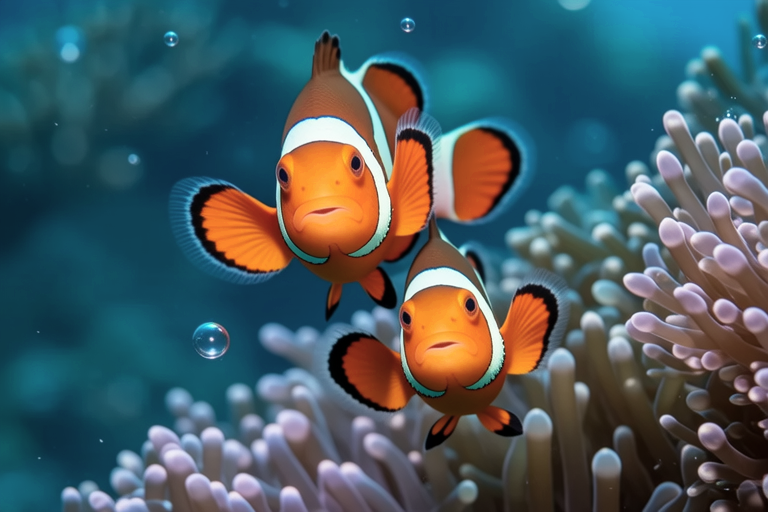
Clownfish Companions: Understanding Their Behavior and Needs
Clownfish have captured the hearts of aquarium enthusiasts around the world, thanks to their vibrant colors and playful nature. These fish, popularized by the animated film Finding Nemo, are not only visually appealing but also offer a fascinating insight into marine life. In this article, we will delve into the world of clownfish, exploring their natural habitat, behavior, dietary needs, and ideal tank conditions. By understanding these aspects, you can provide the best care for your clownfish companions.
The Popularity of Clownfish
Clownfish, scientifically known as Amphiprioninae, belong to the family Pomacentridae. Their striking orange and white stripes make them instantly recognizable, and their relatively easy care requirements have made them a favorite among both novice and experienced aquarists. The movie Finding Nemo further increased their popularity, inspiring many people to bring these captivating creatures into their homes.
Natural Habitat and Its Influence on Behavior
Native to the warm waters of the Pacific Ocean, Indian Ocean, and Red Sea, clownfish live in close association with sea anemones. They have a symbiotic relationship with these cnidarians, which provides them with protection from predators. The sea anemone’s tentacles contain stinging cells called nematocysts, which can paralyze small fish. However, clownfish develop a layer of mucus that protects them from the anemone’s sting. This unique adaptation allows clownfish to thrive in their natural habitat.
In captivity, clownfish exhibit behaviors similar to those observed in the wild. They tend to be territorial, especially when paired with a sea anemone or another suitable hiding spot. Providing ample hiding places in your aquarium can help reduce stress and promote a healthy environment for your clownfish. Additionally, clownfish are generally peaceful and can coexist with a variety of other fish species, making them excellent additions to community tanks.
Social Dynamics Within Clownfish Groups
Clownfish are naturally social animals and often live in small groups consisting of a breeding pair and several non-breeding males. Within these groups, there is a strict hierarchy, with the largest female being the dominant individual. When the dominant female dies, the largest male will undergo a sex change to become the new dominant female.
Clownfish are compatible with many other species of fish, provided they are not aggressive or too large to pose a threat. It is essential to research potential tankmates carefully to ensure a harmonious community. Some recommended tankmates include damselfish, cardinal tetras, and dwarf gouramis. Avoid keeping clownfish with aggressive or fin-nipping species like tiger barbs or certain cichlids.
Dietary Needs
Clownfish are omnivores, meaning they eat both plant-based and animal-based foods. In the wild, they consume algae, zooplankton, and small invertebrates. In captivity, a balanced diet is crucial for maintaining the health of your clownfish. A good diet consists of high-quality flake food, frozen or freeze-dried foods such as brine shrimp, bloodworms, and mysis shrimp, and occasional vegetable matter like spirulina flakes.
It is important to feed your clownfish twice daily, offering small portions each time. Overfeeding can lead to poor water quality and health problems. Ensure that all food items are appropriate for the size of your fish to prevent choking hazards.
Ideal Tank Conditions
To create an optimal environment for your clownfish, it is vital to replicate their natural habitat as closely as possible. Clownfish prefer warm, stable water temperatures between 76°F and 82°F (24°C and 28°C). Maintaining consistent water parameters is crucial for their well-being. A pH level between 8.1 and 8.4 and a specific gravity of 1.020 to 1.025 are ideal.
Adequate filtration is necessary to keep the water clean and free of harmful toxins. Regular water changes are essential to maintain water quality. A 10- to 20-gallon tank is suitable for a single clownfish, while larger tanks are required for multiple individuals. Decorations such as live rock, PVC pipes, and plants can provide hiding spots and enhance the aesthetic appeal of the aquarium.
Common Health Issues
Despite their hardiness, clownfish can still suffer from various health issues if not cared for properly. Common ailments include ich, a parasitic infection characterized by white spots on the fish’s body, and bacterial infections, which can cause redness, lethargy, and loss of appetite. Poor water quality and stress are significant contributors to these health problems.
To prevent and treat illnesses, it is essential to maintain pristine water conditions and quarantine new additions to the tank before introducing them to the main aquarium. Regular observation and prompt action at the first sign of illness can help ensure the well-being of your clownfish.
Tips for New Owners
For new owners, ensuring the well-being of your clownfish companions requires attention to detail and regular maintenance. Here are some actionable tips:
- Research thoroughly: Before purchasing any fish, take the time to learn about their specific needs and behaviors. This knowledge will help you create an environment that meets their requirements.
- Choose the right tankmates: Selecting compatible tankmates is crucial for maintaining a peaceful and healthy aquarium. Research the temperament and size of potential tankmates to avoid conflicts.
- Maintain water quality: Regularly test the water parameters and perform partial water changes to keep the environment clean and safe for your fish.
- Feed appropriately: Offer a balanced diet and avoid overfeeding to prevent health issues and water quality problems.
- Observe regularly: Spend time observing your fish daily to monitor their behavior and health. Early detection of any issues can lead to quicker resolution.
By following these guidelines, you can provide your clownfish with a thriving environment and ensure their long-term happiness and health.
Conclusion
Clownfish are fascinating and rewarding companions for aquarium enthusiasts. Understanding their natural habitat, social dynamics, dietary needs, and ideal tank conditions is key to providing the best care for these delightful fish. With proper attention and maintenance, you can enjoy the vibrant beauty and playful nature of clownfish in your home aquarium. Happy fishkeeping!
