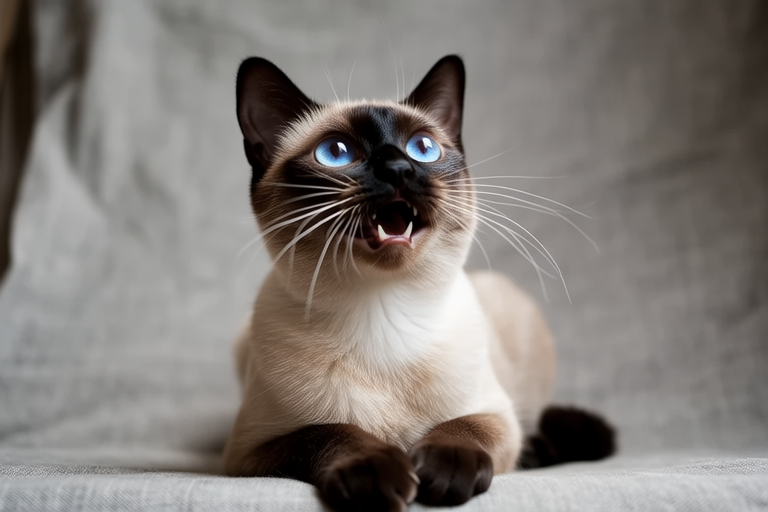
How to Decode Your Siamese Cat’s Unique Vocalizations
Welcome to the fascinating world of Siamese cats! Known for their striking blue almond-shaped eyes, sleek coats, and distinctively pointed coloration, these felines also have a reputation for being vocal. Siamese cats are often described as the “Linguists” of the cat kingdom, and their vocalizations can range from soft purrs to loud, insistent meows. Understanding these unique sounds can significantly enhance your relationship with your Siamese companion.
The Vocal Nature of Siamese Cats
Siamese cats are known for their communicative behavior, which makes them particularly engaging pets. Their vocalizations are not just random noises but are often direct expressions of their needs, emotions, and health status. Unlike some quieter breeds, Siamese cats are more inclined to interact verbally with their human companions. This trait can be both delightful and challenging, as it requires attentive listening and understanding from their owners.
Why Decoding Siamese Cat Sounds Is Crucial
Understanding your Siamese cat’s vocalizations is essential for several reasons:
- Health Monitoring: Changes in your cat’s usual vocal patterns can signal potential health issues. For instance, a normally quiet cat suddenly becoming very vocal might indicate discomfort or pain.
- Building Trust: By responding appropriately to your cat’s vocal cues, you foster a deeper bond based on trust and mutual respect.
- Enhanced Care: Knowing when your cat is hungry, bored, or in need of attention allows you to provide better care.
Categories of Siamese Cat Vocalizations
Chirps and Trills
These high-pitched, bird-like sounds are often associated with excitement or greeting. Siamese cats frequently use chirps and trills to communicate with their owners, especially when they are happy or want to play. These vocalizations can also occur when the cat is watching birds or other small animals outside.
Meows
Meowing is perhaps the most common form of vocalization in Siamese cats. However, not all meows are created equal. Some meows are short and sharp, indicating urgency, while others are drawn out and plaintive, signaling loneliness or distress. A Siamese cat may meow loudly when it wants food, attention, or if it feels neglected.
Purring
Purring is typically associated with contentment, but it can also serve as a self-soothing mechanism when a cat is stressed or injured. While many cats purr when they are relaxed, Siamese cats might purr to convey different messages depending on the context. Pay close attention to the pitch and volume of the purring to understand whether your cat is truly comfortable or in need of reassurance.
Hisses and Growls
Hissing and growling are defensive sounds that Siamese cats use to express fear, anger, or aggression. These vocalizations are usually directed at other animals or people who the cat perceives as threats. It’s important to recognize these signs and remove any triggers to prevent further escalation.
Tips for Responding to Vocal Cues
Once you’ve identified the meaning behind your Siamese cat’s vocalizations, here are some tips on how to respond effectively:
- Stay Calm: If your cat is hissing or growling, avoid reacting with fear or anger. Instead, calmly remove the source of stress and give your cat space to calm down.
- Be Attentive: When your cat chirps or trills, it’s often a sign that it wants to engage with you. Spend quality time playing or grooming your cat to strengthen your bond.
- Provide Comfort: If your cat is purring softly, it likely feels safe and secure. Continue to offer comfort by petting or talking gently to your cat.
- Meet Needs: When your cat meows insistently, try to determine its needs. Is it hungry, thirsty, or simply seeking attention? Addressing these needs promptly will help reinforce positive behaviors.
Building a Stronger Bond Through Communication
Effective communication with your Siamese cat is key to building a strong, trusting relationship. Here are some additional tips to help you connect better:
- Patience: Every cat has its own unique personality and vocal style. Be patient as you learn to understand your cat’s specific vocal cues.
- Consistency: Respond consistently to your cat’s vocalizations to ensure it knows what to expect. This helps establish clear lines of communication.
- Interactive Play: Engage in regular interactive play sessions to keep your Siamese cat mentally and physically stimulated. This can reduce excessive vocalizations due to boredom.
- Positive Reinforcement: Reward good behavior with treats, praise, or extra cuddles. This encourages your cat to continue communicating in positive ways.
Conclusion
Decoding your Siamese cat’s unique vocalizations can transform your relationship with your feline friend. By understanding the different sounds your cat makes and responding appropriately, you can address its needs, improve its well-being, and build a stronger bond. Remember, every Siamese cat is unique, so take the time to learn your cat’s individual language. With patience, consistency, and a little effort, you’ll find yourself communicating seamlessly with your Siamese companion. Enjoy this enriching journey of discovery and bonding!
