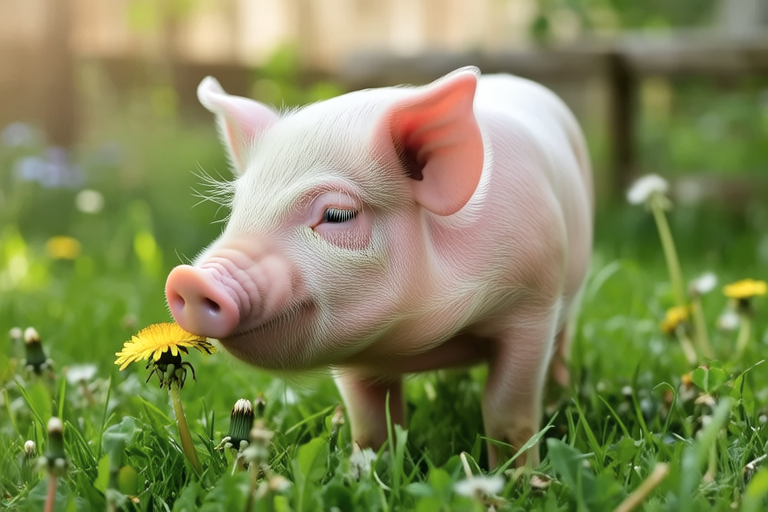
Mini Pigs: A Comprehensive Guide
The growing trend of mini pigs has captured the hearts of many pet lovers. These charming creatures have become increasingly popular as pets due to their small size and unique personalities. However, there are many misconceptions and important considerations that potential owners should be aware of before bringing home a mini pig.
Origins of Mini Pigs
The journey from micro to mini pigs is an interesting one. Mini pigs, also known as teacup, micro, or pot-bellied pigs, have been selectively bred for smaller sizes. The term “mini” can be misleading as these pigs can still reach weights of up to 75 pounds. Micro pigs, on the other hand, are even smaller, typically weighing between 20-60 pounds. It’s crucial for potential owners to understand the difference between micro and mini pigs, as the size can vary greatly.
Common Misconceptions
One of the most common misconceptions about mini pigs is that they remain tiny throughout their lives. Many people are surprised when their “teacup” pig grows to be much larger than expected. Another misconception is that mini pigs require less space and care compared to dogs. In reality, mini pigs need ample room to roam and engage in activities that keep them healthy and happy.
Ideal Living Conditions
Mini pigs thrive in environments that offer both indoor and outdoor spaces. They enjoy exploring and playing, so it’s essential to provide them with a safe, spacious area where they can move freely. Mini pigs are intelligent and curious animals, and they benefit from mental stimulation. Providing toys and puzzles can help keep them engaged and prevent boredom.
Dietary Needs
Feeding mini pigs the right diet is crucial for their health and well-being. A balanced diet consisting of high-quality commercial pig feed, fresh vegetables, and fruits is recommended. Avoid feeding mini pigs foods high in sugar and fat, as this can lead to obesity and other health issues. It’s important to consult with a veterinarian to determine the appropriate portion sizes and types of food based on your pig’s age, weight, and activity level.
Behavioral Traits
Mini pigs are social animals that form strong bonds with their owners. They are intelligent and can learn commands and tricks with proper training. Their curiosity often leads them into trouble, so it’s important to supervise them closely and provide a secure environment. Mini pigs can be territorial and may exhibit aggressive behavior if they feel threatened or uncomfortable. Early socialization and positive reinforcement training can help mitigate these behaviors.
Anecdote: Sarah’s Experience
“I adopted a mini pig named Daisy last year, and she has brought so much joy to our family. She loves playing fetch and cuddling with us. However, I quickly learned that she is quite mischievous and will eat anything left within her reach. We had to baby-proof our house to keep her out of trouble!” – Sarah, Mini Pig Owner
Health Considerations
Regular veterinary check-ups are essential for maintaining the health of mini pigs. Common health issues include obesity, dental problems, and respiratory infections. Ensuring your pig has access to clean water, a balanced diet, and regular exercise can help prevent these issues. Additionally, spaying or neutering your pig can reduce the risk of certain health problems and improve their overall well-being.
Training Tips
Training mini pigs requires patience and consistency. Positive reinforcement techniques, such as treats and praise, work best. It’s important to start training early and establish clear boundaries. Mini pigs can be trained to use a litter box, come when called, and perform simple tricks. However, training can take time, and it’s essential to be patient and persistent.
Responsibilities of Ownership
Owning a mini pig comes with significant responsibilities. Providing proper care, attention, and companionship is crucial for their happiness and well-being. Mini pigs require daily interaction and mental stimulation to thrive. They also need regular grooming, including nail trimming and ear cleaning. Potential owners should be prepared to dedicate time and resources to ensure their pig’s health and happiness.
Interview: Dr. Emily Johnson
“Mini pigs are fascinating animals with unique needs. One of the biggest challenges for new owners is understanding their growth patterns. Many people are surprised by how large their pigs become. It’s important to research and prepare for the long-term commitment involved in owning a mini pig. Regular veterinary care and a balanced diet are essential for their health and longevity.” – Dr. Emily Johnson, Veterinarian
Differences Between Micro and Mini Pigs
The primary difference between micro and mini pigs lies in their adult size. Micro pigs typically weigh between 20-60 pounds, while mini pigs can reach weights of up to 75 pounds. Both types of pigs have similar behavioral traits and dietary needs. However, micro pigs may require more attention and care due to their smaller size. It’s important for potential owners to understand the growth patterns of their pig and be prepared for any changes in size and behavior.
Unique Charm and Challenges
Mini pigs offer a unique blend of charm and challenges. Their intelligence, curiosity, and affection make them wonderful companions. However, they also require a significant amount of time, attention, and resources. Mini pigs are not low-maintenance pets and should only be considered by those willing to commit to their care and well-being.
In conclusion, mini pigs are delightful animals that can bring immense joy to their owners. However, it’s essential to understand the realities of mini pig ownership before making the decision to adopt one. By educating yourself on their origins, common misconceptions, ideal living conditions, dietary needs, behavioral traits, health considerations, training tips, and the responsibilities involved, you can ensure a happy and healthy life for your mini pig.
