Mini Marvels: Discover the Charms of Dutch Dwarf Rabbits
Dutch Dwarf rabbits are a delightful breed that has captured the hearts of many pet lovers. These small, charming creatures offer an ideal companion for those looking for a manageable, affectionate pet. With their unique appearance, gentle temperament, and relatively low maintenance care, Dutch Dwarfs are a fantastic choice for first-time rabbit owners or families with children. This article delves into the world of Dutch Dwarf rabbits, exploring their history, characteristics, care requirements, and tips for bonding and training.
A Brief History
The Dutch Dwarf rabbit breed originated in the Netherlands in the early 20th century. Breeders aimed to create a smaller version of the popular Dutch rabbit, resulting in the Dutch Dwarf. Initially, these rabbits were bred purely for show purposes, but they quickly became popular as pets due to their appealing looks and easygoing nature. Over time, Dutch Dwarfs have been exported to various countries, including the United States, where they have become a beloved breed among rabbit enthusiasts.
Unique Characteristics
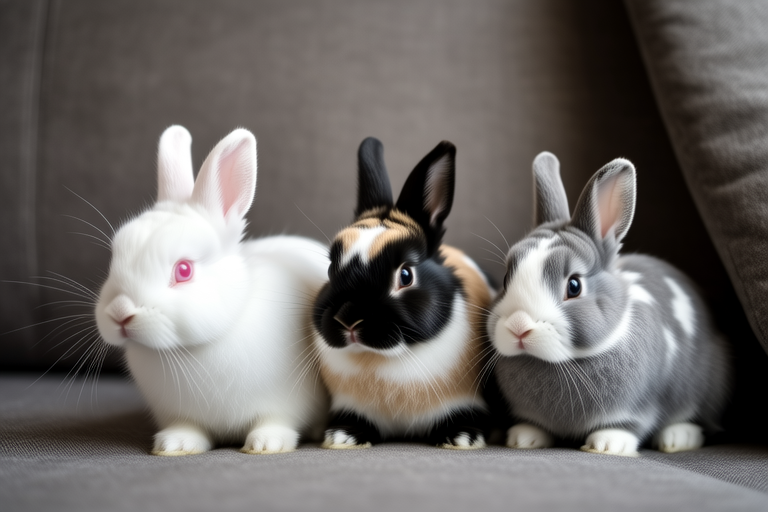
Dutch Dwarf rabbits are known for their distinctive markings and petite size. They typically weigh between 1.36 and 1.81 kilograms (3 and 4 pounds), making them one of the smallest domestic rabbit breeds. Their short, dense fur comes in a variety of colors, including black, blue, chocolate, and white, often featuring a clear dividing line between the body color and the contrasting color of the head and ears. The contrast in colors is what gives them their signature look, making them easily recognizable and visually striking.
Gentle Temperament
Besides their attractive appearance, Dutch Dwarf rabbits are renowned for their gentle and friendly nature. They are generally docile and can be quite playful, making them enjoyable companions. These rabbits are curious by nature and enjoy exploring their surroundings, which makes them a joy to watch. They are also highly social animals and thrive on interaction with their human caretakers. With proper handling and socialization from a young age, Dutch Dwarfs can develop strong bonds with their owners, becoming affectionate and responsive pets.
Ideal Living Conditions
Providing the right living environment is crucial for the well-being of your Dutch Dwarf rabbit. A spacious indoor hutch or cage is essential, offering enough room for the rabbit to move around comfortably. The cage should be at least 3 feet wide, 2 feet deep, and 2 feet high, with additional space if you plan to house multiple rabbits together. A solid floor with soft bedding material, such as straw or hay, will ensure their comfort. Additionally, Dutch Dwarfs require daily exercise outside of their enclosure to maintain good health and prevent boredom.
Temperature control is another important aspect of their living conditions. Dutch Dwarfs are sensitive to extreme temperatures, so it’s best to keep them in a cool, well-ventilated area. Avoid placing their enclosure in direct sunlight or near drafts, as this can cause stress or heatstroke. Providing a hideaway within the cage allows the rabbit to retreat when feeling overwhelmed, contributing to their sense of security.
Dietary Needs
A balanced diet is vital for maintaining the health of your Dutch Dwarf rabbit. The core of their diet should consist of fresh hay, which aids in digestion and keeps their teeth healthy. Alfalfa hay is suitable for younger rabbits, while adult Dutch Dwarfs benefit more from timothy hay or orchard grass hay. Pellets formulated specifically for dwarf rabbits should make up a smaller portion of their diet, providing essential nutrients. Offer a limited amount of pellets each day, adjusting the quantity based on your rabbit’s weight and activity level.
Fresh vegetables and fruits can be given in moderation as treats. Leafy greens like romaine lettuce, spinach, and parsley are excellent choices, while apples, carrots, and strawberries can be offered sparingly. Be cautious with certain foods that may be harmful to rabbits, such as iceberg lettuce, rhubarb, and avocado. Always introduce new foods gradually to avoid digestive upset.
Common Health Issues
Like any other animal, Dutch Dwarf rabbits are susceptible to specific health issues. One of the most common problems is dental disease, which can occur if their diet lacks sufficient fiber. Regular dental check-ups and ensuring a steady supply of hay can help prevent this issue. Another concern is obesity, which can lead to joint problems and other health complications. Maintaining a balanced diet and providing ample exercise opportunities are key to preventing weight gain.
Respiratory infections and gastrointestinal stasis are other potential health concerns for Dutch Dwarfs. Respiratory infections can be caused by poor ventilation or exposure to cold temperatures, while gastrointestinal stasis is often linked to stress or insufficient fiber intake. Keeping the living area clean and dry, ensuring proper temperature control, and providing plenty of hay can reduce the risk of these conditions.
Tips for Bonding and Training
Bonding with your Dutch Dwarf rabbit is an essential part of creating a strong relationship. Start by spending time in close proximity to your rabbit, allowing them to get used to your presence. Once they feel comfortable, gently reach out to stroke their back or head. Gradually progress to picking them up, supporting their hindquarters and chest to avoid injury.
To train your rabbit, positive reinforcement techniques are effective. Reward desired behaviors with treats or praise, and avoid punishing unwanted actions. Dutch Dwarfs can learn simple commands and tricks, such as coming when called or sitting up on command. Consistency and patience are key to successful training.
Spending quality time with your rabbit through play and interaction fosters a deeper connection. Engage in activities that stimulate their mind and body, such as hiding treats for them to find or providing toys that encourage chewing and gnawing. This not only strengthens your bond but also promotes mental and physical well-being.
Conclusion
Dutch Dwarf rabbits are charming, gentle, and loving companions that bring joy to many households. Their unique appearance, friendly temperament, and manageable care requirements make them an excellent choice for both first-time and experienced rabbit owners. By understanding their specific needs and providing proper care, you can ensure a happy and healthy life for your Dutch Dwarf rabbit. With love, attention, and the right environment, these mini marvels will undoubtedly become cherished members of your family.
