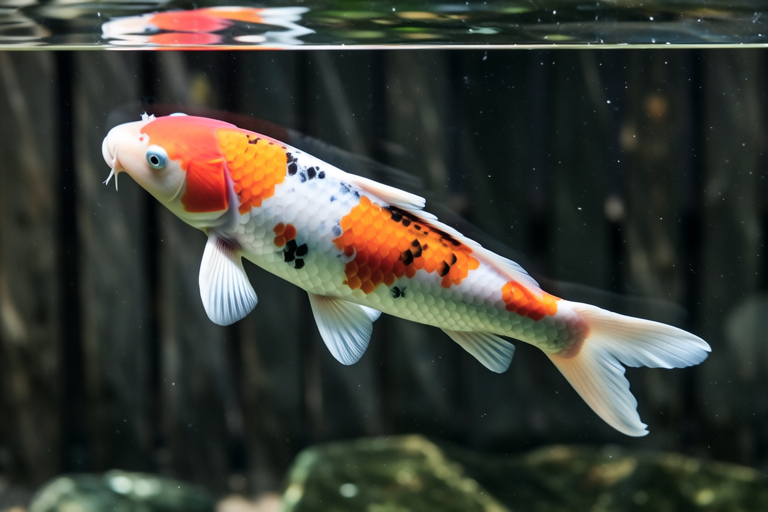
Koi Keeper Chronicles: Tips and Tricks from Expert Breeders
Welcome to the world of koi keeping! Whether you’re a seasoned breeder or just starting out, this guide offers invaluable insights from experts in the field. From maintaining pristine water conditions to ensuring your koi receive a balanced diet, we’ll cover all aspects of koi care. Let’s dive into the essentials.
Understanding Koi Breeding Basics
Breeding koi can be a rewarding endeavor, but it requires careful planning and attention to detail. The first step is selecting healthy parents. Look for vibrant colors, symmetrical patterns, and robust health. Healthy parent fish are more likely to produce strong offspring.
Expert breeder John Doe advises, “Always choose parents with desirable traits that you wish to see in the next generation.” He emphasizes the importance of genetic diversity, suggesting that mixing different bloodlines can lead to more resilient and varied offspring.
Water Quality Management
Water quality is paramount in koi keeping. Poor water conditions can lead to stress, disease, and even death. Regular testing of ammonia, nitrite, and pH levels is crucial. Maintaining a pH level between 7.2 and 8.0 ensures optimal health for your koi.
To achieve these conditions, use a combination of mechanical and biological filtration systems. Mechanical filters remove debris, while biological filters house beneficial bacteria that break down harmful compounds. Regularly cleaning your filters prevents clogging and keeps the system functioning efficiently.
Water changes are another essential aspect of water quality management. Aim for weekly partial water changes of about 10-20%. This helps dilute toxins and replenishes essential minerals. Always use dechlorinated water to avoid harming your koi.
Diet Specifics
Feeding your koi a balanced diet is key to their growth and overall health. A varied diet consisting of pellets, flakes, and fresh foods provides all necessary nutrients. High-protein pellets are ideal for growth, while vegetables like lettuce, spinach, and peas offer fiber and vitamins.
Expert breeder Jane Smith recommends, “Feed your koi small amounts frequently rather than large meals infrequently. This mimics their natural feeding habits and aids digestion.” She also suggests adjusting the amount of food based on water temperature. Cold water slows metabolism, so reduce feeding during colder months.
Disease Prevention
Preventing diseases is easier than treating them. Maintain excellent water quality and quarantine new additions to prevent introducing pathogens. Regular observation allows you to catch signs of illness early. Look for lethargy, unusual behavior, or physical changes like lesions or discoloration.
Vaccinations are available for some common diseases, providing an extra layer of protection. Consult with a veterinarian specializing in aquatic animals for guidance. Implementing a quarantine period for new arrivals can also help protect your existing population.
Seasonal Care Tips
Each season brings its own set of challenges and opportunities for koi keepers. In spring, as temperatures rise, increase feeding gradually. Monitor water quality closely, as warmer water holds less dissolved oxygen. Consider adding aeration devices if necessary.
Summer presents the risk of heat stress. Ensure your pond has sufficient shade and consider installing a chiller to maintain stable temperatures. Fall is a time for preparation; clean the pond thoroughly before winter sets in. Remove any dead leaves or debris that could decompose and affect water quality.
Winter requires special attention. Some koi may become dormant, reducing their activity and feeding. Reduce feeding frequency and switch to low-protein diets. Keep an eye on ice formation; it can trap gases under the surface, leading to oxygen depletion. Use a de-icer or bubbler to maintain open water areas.
Real-World Experiences and Practical Solutions
Many koi keepers face similar challenges. For example, dealing with algae blooms can be frustrating. Expert breeder Mark Johnson shares his solution: “I use barley straw extracts. They release natural compounds that inhibit algae growth without harming other aquatic life.”
Another common issue is overcrowding. Overpopulation leads to competition for resources and increased waste production. Expert breeder Sarah Lee advises, “Maintain a stocking density of no more than one inch of fish per square foot of pond surface area. This ensures adequate space and reduces stress.”
Conclusion
Koi keeping is a rewarding hobby that combines beauty with responsibility. By following the advice of expert breeders, you can ensure your koi thrive in a healthy environment. Remember, each pond is unique, so adapt these guidelines to suit your specific circumstances. With dedication and care, you’ll enjoy many years of companionship with these magnificent creatures.
