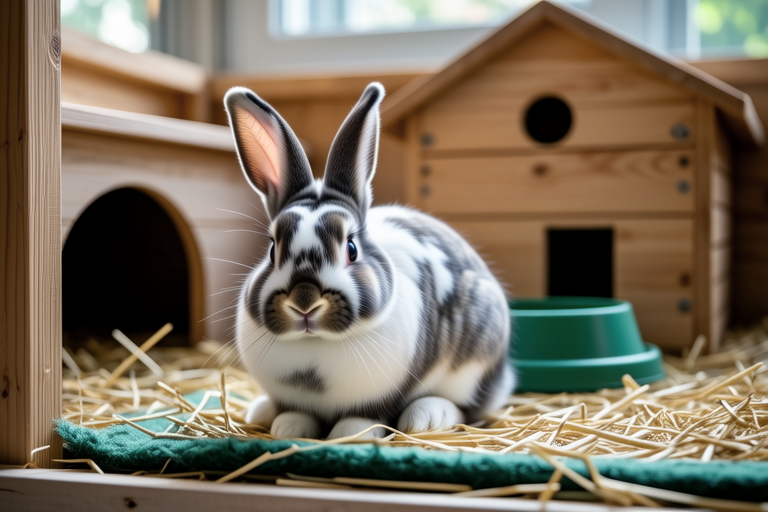
How to Make Your Home Lop Rabbit-Ready: Tips and Tricks
Welcome to the wonderful world of lop rabbits! These charming, floppy-eared creatures are beloved pets known for their gentle demeanor and affectionate nature. Lop rabbits come in various breeds, including French Lops, English Lops, and Holland Lops, each with its unique size and appearance. Their distinctive feature, large, drooping ears, makes them easily recognizable. However, behind those adorable ears lies a set of specific needs that must be met to ensure your lop rabbit lives a happy, healthy life. This guide will walk you through everything you need to know to make your home lop rabbit-ready, from creating a safe and comfortable living space to providing a balanced diet and maintaining hygiene.
Setting Up a Safe and Comfortable Living Space
The first step in preparing your home for a lop rabbit is to establish a safe and comfortable living space. Lop rabbits require ample room to move around and explore, so consider the size of your home when deciding where to place their habitat. A spacious indoor cage or a dedicated outdoor hutch are both excellent options, but always ensure the area is secure and free from predators. The living space should also be well-ventilated and away from direct sunlight and drafts. Providing a multi-level environment with ramps or platforms can help stimulate your rabbit’s natural instincts and encourage physical activity.
When selecting a location for your lop rabbit’s living space, choose a quiet corner away from high-traffic areas of your home. Rabbits are sensitive to noise and sudden movements, so a peaceful environment will help them feel more at ease. Additionally, consider the flooring material. Wire-bottom cages can cause foot injuries, so opt for solid flooring or add a layer of soft bedding to protect your rabbit’s feet.
Suitable Bedding Options
Adequate bedding is crucial for keeping your lop rabbit cozy and comfortable. Choose bedding materials that are soft, absorbent, and easy to clean. Common choices include recycled paper products, such as Yesterday’s News, which are biodegradable and dust-free. Hay, particularly Timothy hay, is another excellent option as it provides a natural chewing surface and helps maintain dental health. Avoid using pine or cedar shavings, as they can irritate your rabbit’s respiratory system and cause health issues.
Ensure the bedding is changed regularly to maintain cleanliness and prevent odors. A good rule of thumb is to change the bedding every two to three days, depending on the number of rabbits and their activity level. For added comfort, provide a soft blanket or towel in one corner of the living space, giving your lop rabbit a designated spot to rest and relax.
Essential Accessories: Toys and Hides
Toys and hides are essential for keeping your lop rabbit mentally and physically stimulated. Providing a variety of toys encourages exploration and prevents boredom, which can lead to destructive behavior. Cardboard boxes, tunnels, and chew toys made from untreated wood or fleece are popular choices among rabbits. Rotate toys periodically to keep things interesting and engage your rabbit’s curiosity.
Hides, or cozy retreats, offer your lop rabbit a private space to relax and feel secure. These can be simple cardboard boxes with small entrance holes or purpose-built hideouts designed specifically for rabbits. Place hides in different areas of the living space to give your rabbit options and encourage exploration. Remember, rabbits are crepuscular animals, meaning they are most active during dawn and dusk. Providing hides gives them a safe place to rest during the day when they are less active.
Diet Recommendations
Proper nutrition is vital for the overall health and well-being of your lop rabbit. A balanced diet should consist primarily of hay, fresh vegetables, and a limited amount of pellets. Timothy hay is ideal for adult rabbits, while younger rabbits may benefit from alfalfa hay, which is higher in calcium. Offer hay freely throughout the day to promote digestive health and wear down continuously growing teeth.
Vegetables should make up about 10% of your rabbit’s daily diet. Opt for leafy greens like romaine lettuce, kale, and parsley, and introduce new vegetables gradually to monitor for any adverse reactions. Limit fruits to occasional treats due to their high sugar content. Pellets should be provided in moderation, as overfeeding can lead to obesity and other health issues. Consult with your veterinarian to determine the appropriate amount based on your rabbit’s age, weight, and activity level.
Always provide access to fresh, clean water. Water bottles with sipper tubes are preferred over bowls, as they prevent contamination and spillage. Check the bottle regularly to ensure the sipper tube is functioning correctly and replace it if necessary.
Tips for Maintaining Hygiene
Maintaining proper hygiene is key to preventing health problems and ensuring a pleasant living environment for your lop rabbit. Regular cleaning of the living space helps control odors and reduces the risk of parasites and infections. Remove soiled bedding daily and perform a thorough cleaning of the entire enclosure weekly. Use mild, pet-safe disinfectants and rinse thoroughly before replacing the bedding.
Regular grooming is also important, especially for long-haired breeds like English Lops. Brush your rabbit’s coat weekly to remove loose fur and prevent matting. This not only keeps your rabbit looking neat but also reduces the risk of hairballs. During shedding season, increase brushing frequency to several times a week. Pay special attention to areas prone to matting, such as behind the ears and under the chin.
In addition to grooming, monitor your rabbit’s nails and trim them as needed. Overgrown nails can cause discomfort and interfere with your rabbit’s ability to grip and move properly. Consult with your veterinarian for guidance on nail trimming techniques and tools.
Integrating a New Lop Rabbit into the Household
Bringing a new lop rabbit into your home requires patience and careful planning. Allow your rabbit time to adjust to its new surroundings by placing the living space in a quiet area initially. Gradually introduce your rabbit to family members and other pets, ensuring interactions are supervised and positive. Rabbits are social animals, so consider adopting a companion if you’re able to provide the necessary care and space.
Establish a routine for feeding, playtime, and grooming to help your rabbit feel secure and comfortable. Consistency in daily activities can greatly reduce stress and anxiety. Spend quality time with your rabbit each day, offering gentle handling and positive reinforcement. This will strengthen your bond and make your rabbit more trusting and responsive.
Common Mistakes to Avoid
While raising a lop rabbit can be rewarding, there are some common pitfalls to watch out for. One frequent mistake is neglecting to provide enough space and stimulation. Lop rabbits need plenty of room to exercise and mental challenges to stay engaged. Another common error is overfeeding, particularly with pellets and treats. Always follow dietary guidelines and consult with your veterinarian if you have concerns about your rabbit’s weight or appetite.
Ignoring signs of illness or injury can also lead to complications. Regularly check your rabbit for changes in behavior, appetite, or physical condition. Early detection of health issues can significantly improve treatment outcomes. Finally, failing to spay or neuter your rabbit can result in behavioral problems and health risks. Discuss the benefits of spaying or neutering with your veterinarian to make an informed decision.
By following these tips and tricks, you’ll be well on your way to creating a loving, supportive home for your lop rabbit. Remember, each rabbit is unique, so pay close attention to your pet’s individual needs and preferences. With time and dedication, you’ll build a strong, lasting bond with your furry friend. Happy rabbit parenting!
