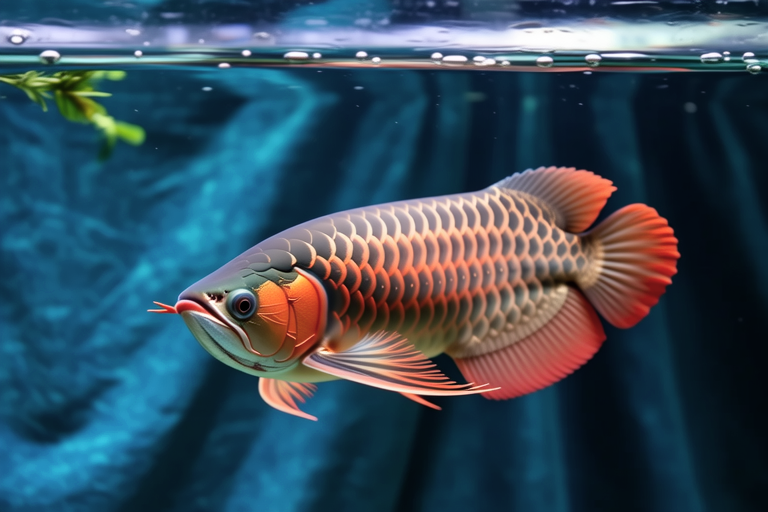
Unlocking the Mystique: A Complete Guide to Arowana Care
Introduction: The Unique Characteristics and Cultural Significance of Arowanas
Arowanas are one of the most captivating and ancient fish species in the world. Known for their striking appearance, these freshwater giants have been revered for centuries, particularly in Asian cultures where they symbolize good fortune and prosperity. Their elongated bodies, adorned with shimmering scales, and powerful dorsal fins make them stand out among other aquarium fish. In this guide, we will explore the intricacies of arowana care, from setting up the perfect tank environment to understanding their dietary needs and maintaining their health.
Setting Up the Tank Environment
Tank Size Requirements
Arowanas require ample space to thrive, as they can grow quite large. For smaller species like the silver arowana, a tank of at least 200 gallons is recommended, while larger species like the Asian arowana need tanks of over 400 gallons. These dimensions ensure that the fish have enough room to swim and maintain their health.
Water Parameters
The water conditions must be meticulously maintained to mimic the natural habitat of arowanas. Ideal pH levels range between 6.8 and 7.5, with temperatures between 75°F and 82°F (24°C to 28°C). Regular monitoring of these parameters using reliable test kits is essential. Additionally, hardness should be kept within 5-15 dGH to avoid stressing the fish.
Filtration Systems
Efficient filtration is crucial for arowana tanks due to their size and the amount of waste they produce. High-quality external filters with biological, mechanical, and chemical filtration capabilities are ideal. Consideration should also be given to the flow rate, ensuring it is strong enough to keep the water oxygenated but gentle enough to avoid stressing the fish.
Dietary Needs and Feeding Habits
Arowanas are carnivorous and require a diet rich in protein. Their staple food should consist of live or frozen prey such as feeder fish, shrimp, and worms. Supplementing their diet with high-quality pellets formulated for predatory fish can also provide necessary nutrients. It’s important to vary their diet to ensure balanced nutrition.
Feeding habits should be monitored closely. Overfeeding can lead to obesity and health issues, while underfeeding can cause malnutrition. A general guideline is to feed them once daily, providing only as much food as they can consume within a few minutes.
Nutritional Supplements
To enhance their overall health, consider adding vitamins and minerals to their diet. Fish oil supplements can promote healthy skin and scales, while vitamin C can boost immunity. Always consult with a veterinarian or aquatic specialist before introducing any new supplements.
Breeding Behaviors and Challenges
Breeding arowanas is a complex process that requires specialized knowledge and conditions. They are mouthbrooders, meaning the male carries the eggs and fry in his mouth for protection until they are ready to fend for themselves. Establishing a breeding pair involves careful selection and conditioning, often requiring separate tanks to ensure compatibility.
Challenges in breeding include ensuring proper water conditions, adequate nutrition, and minimizing stress. Successful breeding can significantly increase the value of the offspring, making it a rewarding albeit challenging endeavor.
Maintaining Water Quality and Disease Prevention
Regular water changes are vital to maintaining optimal water quality. Aim for weekly partial changes, replacing about 20% of the water each time. This helps remove accumulated toxins and waste products. Additionally, using a dechlorinator when adding new water ensures the safety of the fish.
Disease prevention is paramount. Maintaining a clean and stable environment goes a long way in keeping your arowanas healthy. Quarantine new additions to the tank for several weeks to prevent the introduction of pathogens. Regularly inspect your fish for signs of illness, such as lethargy, abnormal swimming behavior, or lesions.
Bonding and Interacting with Arowanas
Arowanas are intelligent and can develop unique personalities. Some individuals may become responsive to their owners, recognizing them and even responding to gentle interaction. To encourage bonding, establish a consistent routine and engage in gentle, non-invasive activities like hand-feeding.
Understanding and respecting their boundaries is key. While some arowanas might tolerate handling, others may prefer minimal interaction. Patience and observation are crucial in determining how best to interact with your fish.
