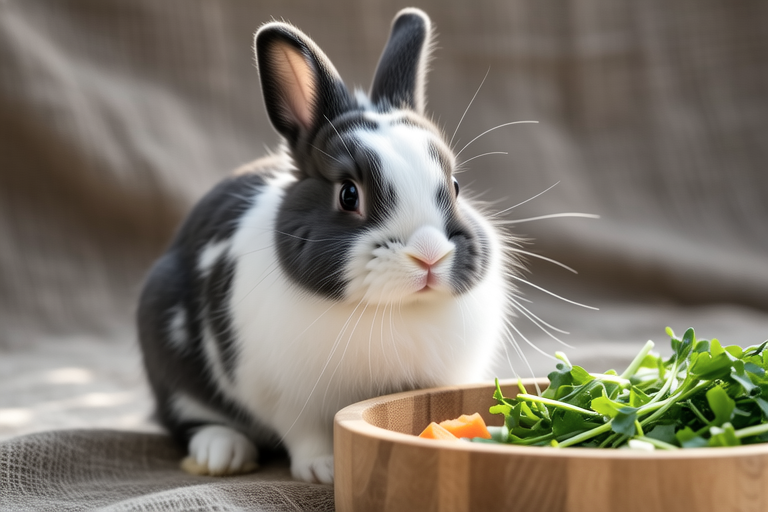
The Ultimate Guide to Caring for Your Tiny, Tame Dutch Dwarf Bunny
Welcome to the world of Dutch dwarf bunnies! These adorable, compact creatures are perfect companions for those seeking a small, gentle pet. With proper care and attention, your Dutch dwarf bunny can be a delightful addition to your family. This guide will walk you through essential care tips, dietary requirements, housing recommendations, grooming needs, health considerations, and interactive activities suitable for these tiny, tame bunnies.
Choosing the Right Cage
Selecting an appropriate living space for your Dutch dwarf bunny is crucial. A cage that is too small can lead to stress and health problems, while one that’s too large might make it difficult for your bunny to feel secure. Ideally, the cage should be at least 3 feet long, 2 feet wide, and 2 feet high. Provide enough space for your bunny to move around comfortably, stretch out fully, and have separate areas for eating, sleeping, and playing.
Ensure the cage has adequate ventilation and is made from materials that are safe for your bunny. Wire-bottom cages can cause foot injuries, so opt for solid flooring or provide a thick layer of bedding. Additionally, consider the location of the cage. Place it in a quiet area away from direct sunlight, drafts, and loud noises to keep your bunny calm and comfortable.
Dietary Requirements
A balanced diet is vital for the health and longevity of your Dutch dwarf bunny. Their diet should consist mainly of hay, fresh vegetables, and a limited amount of pellets. Timothy hay or orchard grass hay is ideal as it aids digestion and keeps teeth healthy. Offer unlimited access to hay, as it forms the bulk of their diet.
Vegetables should make up about 10% of their daily intake. Some safe options include leafy greens like romaine lettuce, parsley, and spinach. Introduce new vegetables gradually to avoid digestive upset. Avoid feeding your bunny iceberg lettuce, as it contains little nutritional value and can cause diarrhea. Pellets should be given sparingly, as they are high in calories. Choose a pellet formulated specifically for rabbits and limit the serving size according to the manufacturer’s guidelines.
Water is also crucial. Provide clean, fresh water daily, either in a sipper bottle or a shallow dish. Regularly check and refill the water source to ensure your bunny stays hydrated.
Housing Recommendations
While a cage provides a safe environment for your bunny, it’s important to give them time outside the cage for exercise and mental stimulation. Create a safe play area within your home by bunny-proofing the space. Remove any potential hazards, such as electrical cords, toxic plants, and small objects that could be swallowed. Use baby gates or barriers to restrict access to certain areas if necessary.
Provide your bunny with soft bedding material, such as shredded paper or hay, for comfort and warmth. Avoid cedar or pine shavings, as they can irritate your bunny’s respiratory system. Add toys and tunnels to encourage exploration and play. Cardboard boxes, paper bags, and untreated wood blocks are excellent choices for safe, interactive entertainment.
Grooming Needs
Regular grooming helps maintain your Dutch dwarf bunny’s coat and prevents matting. Brush your bunny weekly with a soft-bristled brush to remove loose fur and distribute natural oils. Pay special attention to areas prone to matting, such as behind the ears and under the chin. During shedding seasons, increase brushing frequency to twice a week.
Baths are generally unnecessary unless your bunny gets excessively dirty. If bathing is required, use a mild, bunny-safe shampoo and thoroughly rinse to avoid skin irritation. Trim your bunny’s nails every few weeks using nail clippers designed for small animals. Be cautious not to cut the quick, which contains blood vessels and nerves. Consult a veterinarian if unsure about nail trimming.
Health Considerations
Regular veterinary check-ups are essential for maintaining your bunny’s health. Schedule annual visits with a rabbit-savvy veterinarian who can provide vaccinations and monitor for any potential health issues. Common health problems include dental issues, gastrointestinal stasis, and urinary tract infections.
Monitor your bunny’s eating and bathroom habits daily. A decrease in appetite or sudden changes in litter box usage may indicate a problem. Early detection and treatment of health issues can significantly improve your bunny’s quality of life. Keep an eye on your bunny’s weight and adjust their diet accordingly to prevent obesity or malnutrition.
Tips for Bonding and Training
Building a strong bond with your Dutch dwarf bunny takes time and patience. Spend quality time with your bunny each day, offering treats and gentle petting to create positive associations. Gradually introduce handling techniques, such as lifting and holding, to familiarize your bunny with human interaction.
Training your bunny can be fun and rewarding. Start with basic commands like coming when called or sitting on command. Use positive reinforcement techniques, such as verbal praise and treats, to encourage desired behaviors. Consistency is key in training; practice regularly and reward your bunny for good behavior.
Interactive Activities Suitable for Dutch Dwarf Bunnies
Engaging your Dutch dwarf bunny in various activities can help stimulate their mind and body. Provide toys that encourage chewing, such as wooden blocks or cardboard tubes. Hide treats throughout their living space to promote foraging behavior. Interactive toys, like puzzle feeders or treat-dispensing balls, challenge your bunny mentally and physically.
Supervised playtime outside the cage allows your bunny to explore and exercise. Set up a safe play area with tunnels, ramps, and obstacles to create an engaging environment. Rotate toys periodically to keep things interesting and prevent boredom.
Conclusion
Caring for a Dutch dwarf bunny is a rewarding experience that requires dedication and knowledge. By providing a suitable living environment, a balanced diet, regular grooming, and plenty of love and attention, you can ensure your bunny leads a happy, healthy life. Remember to stay informed about your bunny’s specific needs and consult with professionals when necessary. Enjoy the journey of sharing your life with this charming, tiny companion.
