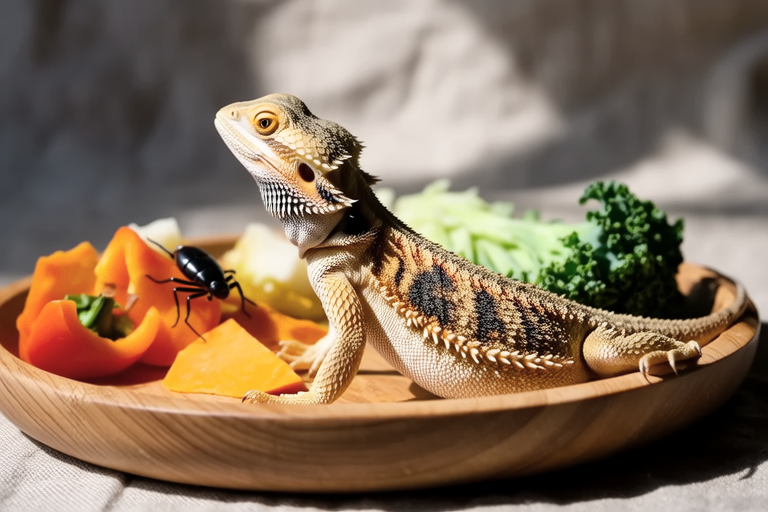
Bearded Dragon Diet Guide: The Best Foods for a Healthy Pet
Welcome to your comprehensive guide on providing the best diet for your bearded dragon. Bearded dragons, popular reptilian pets, require a carefully balanced diet to thrive. Ensuring they get the right mix of nutrients, insects, and plant matter is crucial for their overall health and longevity.
Understanding Bearded Dragons’ Dietary Needs
Bearded dragons have specific dietary requirements that vary based on their age and size. A well-balanced diet ensures proper growth, digestion, and energy levels. Juveniles need more protein-rich foods to support rapid development, while adults require a higher proportion of vegetables to maintain their weight.
Essential Nutrients for Bearded Dragons
To maintain optimal health, bearded dragons must consume a variety of nutrients:
- Calcium: Essential for bone health and muscle function.
- Vitamin D3: Facilitates calcium absorption.
- Protein: Supports growth and repair.
- Fiber
Recommended Live Foods (Insects)
Insects form a significant part of a bearded dragon’s diet, especially during their juvenile stage. Here are some recommended insects:
- Crickets: High in protein and easy to gut-load with vitamins.
- Roaches: Nutritious and less likely to bite.
- Mealworms: Should be fed sparingly due to their hard exoskeleton.
Gut-loading insects involves feeding them nutritious food before offering them to your dragon. This process enriches the insects with vitamins and minerals, enhancing their nutritional value.
Plant-Based Foods
Vegetables and fruits provide essential vitamins, minerals, and fiber. Some safe options include:
- Collard greens: Rich in calcium.
- Mustard greens: Low in oxalates.
- Carrots: Good source of beta-carotene.
Avoid feeding high-oxalate vegetables like spinach and beet greens, as they can interfere with calcium absorption.
Hydration Tips
Bearded dragons obtain most of their water from the food they eat. However, it’s important to ensure they have access to clean water daily. Mist their enclosure occasionally to encourage drinking, and always provide fresh water in a shallow dish.
Frequency and Portion Sizes
The amount and frequency of meals depend on the dragon’s age:
- Juveniles (0-18 months): Feed insects twice daily, supplemented with vegetables. Offer smaller portions more frequently to prevent obesity.
- Adults (over 18 months): Reduce insect intake to once or twice weekly, focusing more on vegetables. Offer larger portions less often.
Avoiding Harmful Foods and Common Feeding Mistakes
Some foods can be harmful to bearded dragons:
- Avocados: Contain persin, toxic to reptiles.
- Onions and garlic: Can cause digestive issues.
- High-fat foods: Such as nuts, can lead to obesity.
Common feeding mistakes include overfeeding, feeding the wrong types of insects, and not dusting insects with supplements. Always research thoroughly before introducing new foods into your dragon’s diet.
Tips for Preparing and Handling Food
Proper preparation ensures the safety and nutrition of your dragon’s food:
- Buy fresh, pesticide-free produce and wash it thoroughly.
- Gut-load insects with nutrient-rich foods before feeding.
- Dust insects with calcium and vitamin D3 powders to supplement their diet.
- Store food appropriately to maintain freshness.
Handling food safely prevents contamination and keeps your dragon healthy.
Conclusion
Providing a balanced diet is fundamental to keeping your bearded dragon healthy and happy. By understanding their dietary needs and following these guidelines, you’ll ensure your pet receives the necessary nutrients for a long and vibrant life. Remember, each dragon is unique, so monitor their health closely and adjust their diet as needed.
