Adopting a Bengal Cat? What You Need to Know Before Bringing Them Home
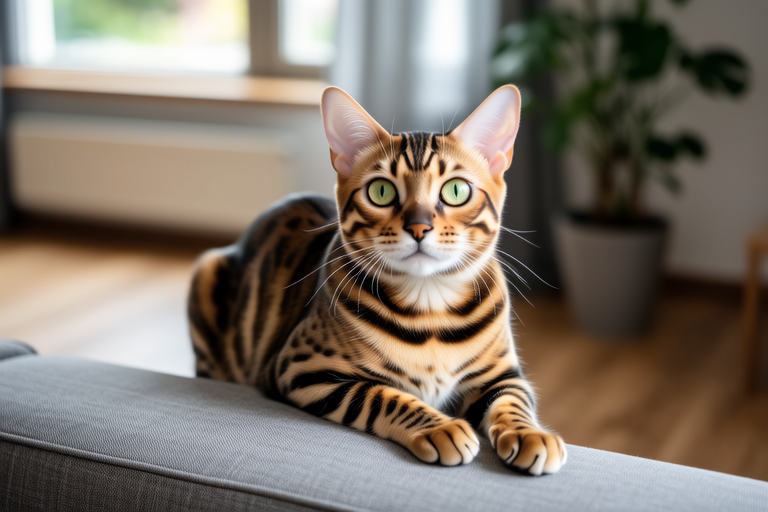
Bengal cats have rapidly risen in popularity over the past few decades due to their striking appearance and unique personalities. These felines, known for their sleek coats that resemble the pelt of a small leopard, are not only visually stunning but also possess an array of fascinating traits that make them stand out from other domesticated breeds. Their intelligence, curiosity, and high energy levels make them an exciting addition to any household. However, before bringing a Bengal cat into your life, it’s essential to understand their origins, typical behaviors, energy levels, grooming needs, dietary requirements, and health considerations. This guide will help you prepare for the commitment involved in adopting a Bengal cat and ensure a harmonious relationship between you and your new pet.
The Origins of Bengal Cats
Bengal cats trace their lineage back to the 1960s when breeders began crossing domestic cats with Asian Leopard Cats (ALC). The goal was to create a domesticated cat that retained the wild appearance of its ancestors without the aggressive tendencies. After several generations of selective breeding, the Bengal cat emerged as a distinct breed recognized by most major cat registries. Today, Bengals are bred solely through interbreeding, ensuring that they are entirely domesticated.
Typical Behaviors of Bengal Cats
Bengals are known for their playful and energetic nature. They are highly intelligent and can be trained to perform tricks or respond to commands. Their curious minds often lead them to investigate every corner of their environment, making it important to provide them with safe spaces where they can explore freely. Bengals are social creatures and enjoy interacting with their human companions, often seeking attention and affection. They are generally friendly towards strangers and other animals, though early socialization is crucial for ensuring compatibility with other pets.
Energy Levels and Exercise Needs
One of the most notable characteristics of Bengal cats is their high energy levels. They require ample opportunities for physical activity to stay healthy and happy. Providing toys that encourage jumping, chasing, and climbing can help satisfy their natural instincts. Interactive play sessions with their owners are also beneficial, fostering a strong bond between the cat and its human. Consider investing in cat trees, scratching posts, and interactive toys that promote both mental and physical stimulation. Ensuring that Bengals have enough outlets for their energy helps prevent destructive behavior and keeps them engaged throughout the day.
Grooming Needs
Bengal cats have short, dense coats that require minimal grooming. Their self-cleaning habits mean that regular brushing is usually sufficient to keep their fur in good condition. However, during shedding seasons, more frequent brushing may be necessary to remove loose hair and prevent matting. Pay special attention to areas around the ears and eyes, wiping them gently with a damp cloth if needed. Despite their low-maintenance grooming needs, it’s still essential to establish a routine that includes nail trimming and dental care to maintain overall hygiene.
Dietary Requirements
Feeding a Bengal cat a balanced diet is crucial for maintaining their health and energy levels. High-quality commercial cat food formulated for adult cats is generally suitable, but it’s important to choose products that meet specific nutritional needs. Look for foods rich in protein and fats, which support muscle development and coat health. Wet food can be incorporated into their diet to increase moisture intake, promoting urinary tract health. Always consult with a veterinarian about the appropriate portion sizes and feeding schedules to ensure your Bengal remains at an optimal weight.
Health Considerations
Bengal cats are generally robust and healthy, but they are prone to certain genetic conditions. Hypertrophic cardiomyopathy (HCM), a heart disease, and progressive retinal atrophy (PRA), an eye disorder, are two concerns that potential owners should be aware of. Regular veterinary check-ups and screenings can help detect these issues early, allowing for prompt treatment. Maintaining a healthy lifestyle, including proper nutrition and exercise, can also reduce the risk of developing other common feline ailments such as obesity and diabetes.
Mental and Physical Stimulation
To thrive, Bengal cats need continuous mental and physical stimulation. Their active nature means they require plenty of space to move around and engage in various activities. Puzzle feeders, interactive toys, and enrichment items can keep their minds sharp and entertained. Mental challenges help prevent boredom, which could lead to destructive behaviors. Additionally, providing vertical spaces like cat trees and shelves allows Bengals to climb and observe their surroundings from different angles, mimicking their wild ancestors’ behaviors.
Selecting the Right Veterinarian
Choosing a veterinarian who understands the unique needs of Bengal cats is vital for their well-being. Look for clinics that offer comprehensive services, including routine check-ups, vaccinations, and preventive care. A vet experienced with exotic breeds might have additional knowledge about specific health concerns associated with Bengals. Building a rapport with your chosen veterinarian ensures that you have someone reliable to turn to for advice and guidance throughout your cat’s life.
Necessary Supplies
Before bringing a Bengal cat home, gather all the necessary supplies to create a comfortable living environment. Essential items include a litter box, high-quality cat food, water bowls, scratching posts, and cozy bedding. Interactive toys and puzzle feeders will keep your cat mentally stimulated. A harness and leash can come in handy for supervised outdoor adventures. Ensure that all supplies are cat-friendly and free from harmful chemicals or small parts that could pose choking hazards.
Introducing a Bengal Cat to a New Home or Other Pets
Integrating a Bengal cat into a new home requires patience and careful planning. Create a quiet, confined space for your new arrival to acclimate gradually. Gradually introduce them to different areas of the house while monitoring their reactions. When introducing Bengals to other pets, especially dogs, proceed cautiously under supervision. Positive reinforcement training can help foster positive interactions between species. Allow ample time for introductions, giving each animal the opportunity to adjust to one another at their own pace.
Conclusion
Adopting a Bengal cat is an exciting yet significant decision that requires thorough preparation and commitment. Understanding their origins, typical behaviors, energy levels, grooming needs, dietary requirements, and health considerations sets the foundation for a rewarding relationship. By providing ample mental and physical stimulation, selecting the right veterinarian, and gathering necessary supplies, you can ensure that your Bengal cat thrives in its new home. Take the time to research and prepare for the unique demands of owning a Bengal cat, and you’ll be rewarded with a loyal companion that brings joy and excitement into your life. With proper care and attention, Bengal cats can become cherished members of any family.
