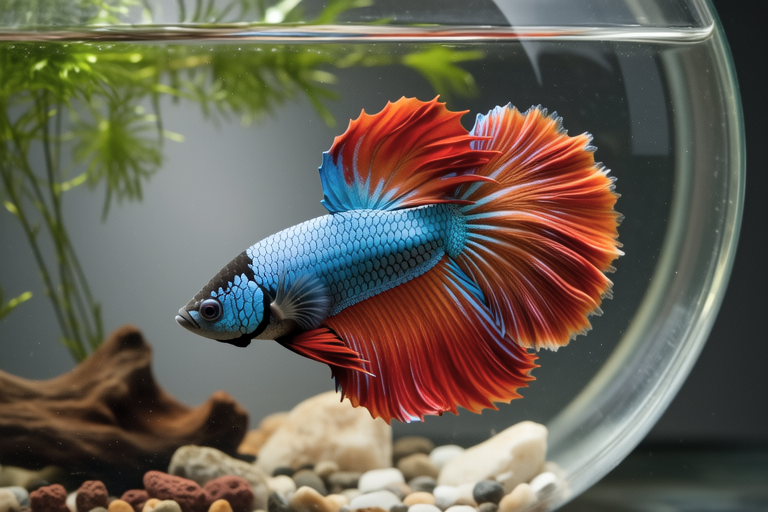
Betta Care Made Easy: Essential Tips for First-Time Owners
Welcome to the world of Betta fish! These vibrant, colorful creatures are a delightful addition to any home aquarium. If you’re a first-time owner, don’t worry – this guide will walk you through everything you need to know to keep your Betta happy and healthy. From setting up the perfect tank environment to understanding their dietary needs and common health issues, we’ve got you covered. Let’s dive into the essentials of Betta care.
Setting Up the Right Tank Environment
The first step in Betta care is creating the ideal living space. While Bettas can live in smaller tanks, it’s important to provide them with enough room to swim comfortably. A tank of at least 2.5 gallons (10 liters) is recommended for a single Betta. Here’s how to set up your Betta’s home:
- Selecting the Right Tank: Choose a tank that provides ample swimming space and has a stable temperature. Avoid glass bowls, as they lack the necessary filtration and surface area for oxygen exchange.
- Filtration: Install a gentle filter to keep the water clean without overwhelming the Betta with strong currents. Filters help maintain water quality by removing waste and excess food particles.
- Heating: Bettas thrive in warm water between 76°F and 82°F (24°C and 28°C). Use a reliable heater to maintain a steady temperature.
- Substrate: Opt for a fine gravel or sand substrate. This helps prevent injuries and looks more natural.
- Decorations: Add plants, caves, and other decorations to create hiding spots and stimulate natural behaviors. Floating plants are particularly beneficial as they mimic the Betta’s natural habitat.
Water Quality Maintenance
Water quality is crucial for your Betta’s health. Regular maintenance ensures that the water remains clean and free from harmful substances. Follow these steps to maintain optimal water conditions:
- Water Changes: Perform weekly partial water changes, replacing about 25% of the water each time. This removes toxins and keeps the water fresh.
- Water Parameters: Test the water regularly for pH, ammonia, nitrite, and nitrate levels. Ideal parameters for Betta fish are a pH between 6.5 and 7.5, ammonia and nitrite at 0 ppm, and nitrate below 20 ppm.
- Water Conditioners: Use a dechlorinator to neutralize chlorine and chloramine found in tap water, which can be harmful to your Betta.
- Air Stones: An air stone helps aerate the water, ensuring there’s enough dissolved oxygen for your Betta to breathe.
Suitable Diet
Feeding your Betta a balanced diet is essential for their growth and well-being. Bettas are carnivorous and require a protein-rich diet. Here’s what you need to know about feeding your Betta:
- Daily Feedings: Feed your Betta small portions twice a day. Overfeeding can lead to health problems, so it’s best to offer only what they can consume within a few minutes.
- High-Quality Food: Opt for high-quality Betta pellets or flakes designed for tropical fish. These foods are formulated to meet their nutritional needs.
- Variety: Supplement their diet with occasional treats like frozen bloodworms, brine shrimp, or daphnia. This variety provides essential nutrients and mimics their natural diet.
- Feeding Frequency: Be consistent with feeding times. Bettas appreciate routine, and regular meals help maintain their health.
Common Health Issues
Like all pets, Bettas can encounter health issues. Early detection and proper care can prevent many problems. Here are some common health issues and how to address them:
- Fungal Infections: Characterized by white cotton-like patches on the body or fins, fungal infections are often caused by poor water quality. Improve water conditions and treat with antifungal medication.
- Bacterial Infections: Reddened areas, fin rot, and lethargy may indicate bacterial infections. Strengthen the immune system by maintaining good water quality and treating with antibiotics if necessary.
- Swim Bladder Disease: Difficulty swimming upright can be a sign of swim bladder disease. This condition is often caused by overfeeding. Provide a soft, easily digestible diet and ensure the water temperature is optimal.
- Parasitic Infestations: Parasites can cause itching, redness, and white spots. Quarantine the Betta and treat with appropriate medications.
Interactive Behavior
Bettas are known for their vibrant colors and active behavior. Encouraging natural behaviors can make watching your Betta even more enjoyable. Here are some ways to engage with your Betta:
- Interactive Toys: Introduce floating toys or objects that move slightly with the water current. This stimulates their hunting instincts and provides mental stimulation.
- Observation: Spend time observing your Betta. Notice their patterns, eating habits, and activity levels. This helps you understand their behavior and spot any potential health issues early.
- Lighting: Provide a consistent lighting schedule. Bettas respond well to a natural day-night cycle, which helps regulate their behavior.
- Environmental Enrichment: Create a stimulating environment with varying decor and plant life. This encourages exploration and natural behaviors.
Conclusion
Caring for a Betta fish is a rewarding experience that brings joy and beauty to your home. By following these beginner-friendly tips, you can ensure your Betta lives a long, healthy, and happy life. Remember to provide a suitable tank environment, maintain water quality, offer a balanced diet, monitor for health issues, and engage with your Betta through interactive behaviors. With a little effort and attention, you’ll have a thriving Betta that brightens your day every time you look into their tank.
