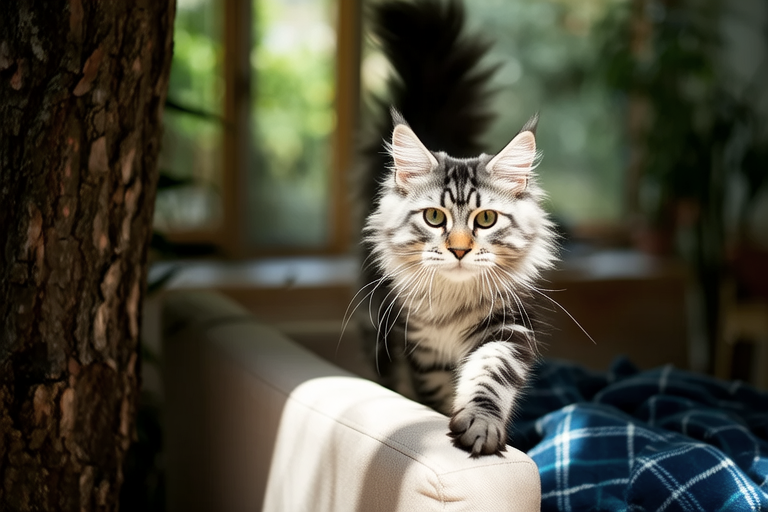
From Forest to Couch: The Ultimate Guide to Living with a Maine Coon
Welcome to the world of Maine Coons! These majestic felines have captivated hearts for centuries with their striking appearance and gentle demeanor. Originating from the rugged coastlines of New England, Maine Coons were initially bred as working cats, adept at hunting and protecting homes from vermin. Today, they have seamlessly transitioned into beloved domestic companions, bringing a touch of wilderness into our living rooms.
The Unique Characteristics of Maine Coons
Maine Coons are known for their large size, tufted ears, and bushy tails. They are one of the largest domestic cat breeds, with males typically weighing between 13-18 pounds and females ranging from 9-12 pounds. Their water-resistant coats, which come in various colors and patterns, are perfect for both indoor and outdoor adventures. Despite their robust build, Maine Coons are surprisingly agile and playful, making them excellent climbers and hunters.
Essential Care Tips for Your Maine Coon
Diet
Nutrition plays a crucial role in maintaining your Maine Coon’s health. A balanced diet rich in protein and healthy fats is essential for their growth and overall well-being. Opt for high-quality cat food that meets the nutritional needs of your cat’s age and activity level. Consult your veterinarian to determine the appropriate portion sizes and feeding frequency. Avoid overfeeding, as obesity can lead to serious health issues like diabetes and arthritis.
Grooming
Maine Coons require regular grooming due to their long, dense coats. Brush them at least twice a week to prevent matting and remove loose hair. This also helps minimize shedding inside your home. Pay special attention to their tufted ears and paws during grooming sessions. Use a soft-bristled brush or a slicker brush to keep their coat smooth and shiny. Bathing should be done only when necessary, as frequent bathing can strip their coat of natural oils.
Health Maintenance
Regular veterinary check-ups are vital for early detection and prevention of health issues. Maine Coons are prone to certain genetic conditions, such as hypertrophic cardiomyopathy (HCM), hip dysplasia, and polycystic kidney disease (PKD). Genetic testing can help identify potential risks, allowing for proactive management. Keep your cat up-to-date with vaccinations and parasite control. Dental hygiene is also important; provide dental treats or brushes to maintain oral health.
Creating a Stimulating Indoor Environment
While Maine Coons adapt well to indoor living, providing an enriching environment is key to their happiness. Start by setting up multiple levels within your home, as they enjoy climbing and exploring. Install cat trees, shelves, and window perches to give them vertical spaces to explore. Offer a variety of toys that cater to their hunting instincts, such as feather wands, puzzle feeders, and interactive laser pointers. Scratching posts are essential for claw maintenance and marking territory. Place them in strategic locations to encourage use.
Tackling Common Behavioral Issues
Like any other pet, Maine Coons may exhibit behaviors that need guidance. One common issue is excessive vocalization. While they are generally quiet, some Maine Coons can become quite vocal, especially when seeking attention or expressing discomfort. Redirect their attention with toys or treats, and consider training them to use a bell collar to alert you without excessive meowing.
Another challenge is inappropriate scratching. Provide scratching posts made of materials that appeal to your cat, such as sisal rope or corrugated cardboard. Encourage your cat to use these posts by placing treats near them or spraying them with catnip. Positive reinforcement, like praise and rewards, can also motivate your cat to scratch where you want them to.
Effective Training Methods
Training your Maine Coon can strengthen the bond between you and your pet while teaching them desirable behaviors. Start with basic commands, such as ‘come,’ ‘sit,’ and ‘stay.’ Use treats and praise to reward good behavior consistently. Clicker training is another effective method; pair a click sound with a treat to reinforce positive actions. Patience and consistency are key in training, as cats learn through repetition and positive experiences.
The Bond Between Owners and Their Maine Coons
Owning a Maine Coon is a rewarding experience filled with joy and companionship. These intelligent and affectionate cats form strong bonds with their owners, often following them around the house and seeking physical contact. Maine Coons are known for their gentle natures and are excellent with children and other pets. However, owning a Maine Coon comes with responsibilities, including providing proper care, meeting their social needs, and ensuring a safe and stimulating environment.
In conclusion, bringing a Maine Coon into your home means embracing a partner in adventure and companionship. With proper care, training, and love, you and your Maine Coon will share many memorable moments. Embrace the journey from forest to couch, and cherish the unique relationship that makes each Maine Coon truly one-of-a-kind.
