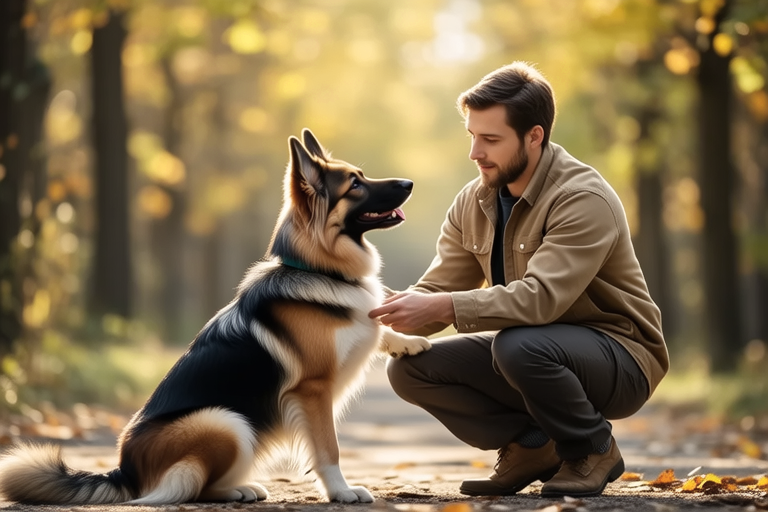
Bonding Beyond Bounds: Expert Tips for Strengthening Your Connection with Your German Shepherd
German Shepherds are one of the most popular and versatile breeds of dogs, renowned for their intelligence, loyalty, and protective nature. As a proud owner of a German Shepherd, you have chosen a companion that can be your best friend, protector, and partner in many activities. However, building and maintaining a strong bond with your German Shepherd requires understanding their unique traits, effective training methods, regular exercise, mental stimulation, proper socialization, and trust-building techniques. This article will guide you through expert tips to strengthen your connection with your German Shepherd at every stage of their life.
Understanding German Shepherds’ Unique Traits
German Shepherds are known for their keen intelligence, alertness, and loyalty. They are highly trainable and excel in various roles, including police work, search and rescue, and therapy. Understanding these traits is crucial for building a strong bond with your dog. German Shepherds are pack animals by nature and thrive in environments where they feel part of a family unit. They require clear leadership and consistent rules to feel secure and comfortable in their role within the household.
Effective Training Methods
Training is essential for shaping your German Shepherd’s behavior and ensuring they are well-behaved members of society. Positive reinforcement is the key to effective training. Reward your dog with treats, praise, or playtime when they exhibit good behavior. This approach not only encourages desirable actions but also strengthens the bond between you and your pet. Avoid punishment-based training methods, as they can lead to fear and anxiety, damaging the relationship.
Start training early in puppyhood and continue throughout your dog’s life. Puppies are like sponges, absorbing information quickly. Use short, frequent training sessions to keep them engaged and prevent boredom. As your German Shepherd matures, introduce more complex commands and tasks. Consistency is vital in training. Stick to the same commands and rewards to avoid confusing your dog. Remember, patience is key. Training takes time, and every dog learns at their own pace.
The Importance of Regular Exercise
German Shepherds are high-energy dogs that require plenty of physical activity to stay healthy and happy. Regular exercise helps maintain their physical fitness, prevents obesity, and reduces the risk of behavioral issues caused by pent-up energy. Daily walks, runs, and play sessions are essential for keeping your German Shepherd physically fit. Additionally, consider enrolling your dog in agility classes or other canine sports to provide them with structured exercise and mental stimulation.
Mental Stimulation Activities
Physical exercise alone is not enough to satisfy a German Shepherd’s need for mental stimulation. These intelligent dogs thrive on challenges and problem-solving. Engage your dog’s mind by providing them with puzzle toys, interactive games, and obedience training exercises. Teaching new tricks or introducing them to scent work can also provide mental enrichment. Mental stimulation helps prevent boredom and destructive behaviors, promoting a well-rounded and balanced dog.
Proper Socialization Techniques
Socialization is crucial for raising a well-adjusted German Shepherd. Proper socialization ensures your dog feels comfortable around people, other animals, and various environments. Begin socializing your puppy as early as possible, exposing them to different sights, sounds, and experiences. Take your puppy to parks, pet stores, and other public places to help them become familiar with various stimuli. Continue socializing your dog throughout their life to reinforce positive associations and reduce the risk of fear-based aggression.
Tips for Building Trust and Loyalty
Building trust and loyalty with your German Shepherd requires consistency, patience, and love. Establish yourself as a calm, confident leader who provides guidance and protection. Show your dog affection and attention, reinforcing their place within the family pack. Spend quality time together, participating in activities that both of you enjoy. Trust and loyalty develop over time, so be patient and persistent in your efforts to build a strong bond.
Consistent Routines and Positive Reinforcement
Consistency is key to strengthening the bond between you and your German Shepherd. Establishing daily routines provides structure and predictability, which are comforting for dogs. Feed your dog at the same times each day, take them for walks at regular intervals, and maintain a consistent schedule for play and training. Positive reinforcement plays a vital role in creating a loving and trusting relationship. Celebrate small victories and offer praise or treats when your dog exhibits good behavior. Over time, this approach fosters a deeper connection and mutual respect.
Puppyhood: The Foundation of Your Bond
The first few months of your German Shepherd’s life are critical for establishing a strong foundation. During this stage, focus on socialization, basic obedience training, and bonding activities. Introduce your puppy to different people, animals, and environments to help them develop confidence and adaptability. Begin training with simple commands like ‘sit,’ ‘stay,’ and ‘come.’ Keep training sessions short and fun to maintain your puppy’s interest. Spend quality time with your puppy, playing fetch, going for walks, and cuddling. These early experiences lay the groundwork for a lifelong bond.
Adulthood: Refining Skills and Strengthening the Bond
As your German Shepherd enters adulthood, their training and socialization needs evolve. At this stage, focus on refining previously learned skills and introducing more advanced commands. Consider enrolling your dog in obedience or agility classes to challenge their mind and body. Continue providing regular exercise and mental stimulation to keep your dog healthy and happy. Adult German Shepherds benefit from structured activities like hiking, swimming, or playing fetch. Spend time together engaging in activities that both of you enjoy, further strengthening your bond.
Senior Years: Caring for Your Aging Companion
As your German Shepherd ages, their physical and mental needs change. Senior dogs may experience joint pain, reduced mobility, and cognitive decline. Adjust their exercise routine to accommodate these changes, focusing on low-impact activities like walking or gentle play. Mental stimulation remains important for senior dogs, but choose activities that are less physically demanding. Continue offering affection and attention, spending time with your aging companion. Senior German Shepherds often appreciate quiet moments of rest and relaxation, making this a perfect time to deepen your bond through companionship.
In conclusion, building and maintaining a strong bond with your German Shepherd requires understanding their unique traits, effective training methods, regular exercise, mental stimulation, proper socialization, and trust-building techniques. By consistently applying these principles, you can create a deep and lasting connection with your beloved pet. Remember, every dog is an individual, and it’s important to tailor your approach to meet your German Shepherd’s specific needs. With patience, love, and dedication, you can enjoy a rewarding partnership with your loyal companion for many years to come.
