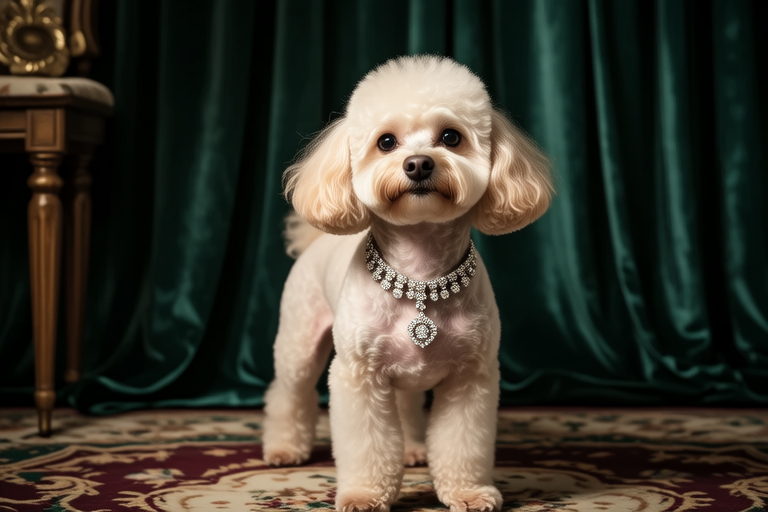
The Evolution of Poodles: From Royal Companions to Social Media Stars
From their origins as royal companions and hunting dogs to their current status as beloved family pets and social media stars, poodles have a rich and fascinating history. This article explores the evolution of poodles, highlighting key historical points about their role in different eras, their intelligence and trainability, popular cultural references, and how social media has transformed public perception and engagement with the breed. We will also delve into various poodle types (standard, miniature, toy), their unique traits, training tips, common health issues, grooming requirements, and the enduring appeal of poodles across generations.
The Origins and Early History of Poodles
Poodles have a long and storied history that dates back to the 15th century. Originally bred in Germany as water retrievers, poodles were prized for their intelligence, agility, and swimming ability. The name “poodle” comes from the German word “pudel,” meaning “to splash in water.” These dogs were often used by hunters to retrieve game from rivers and lakes. Their thick, curly coats provided insulation against cold water, while their webbed feet made them excellent swimmers.
During the Renaissance period, poodles gained popularity among European royalty, particularly in France. They became fashionable companions for nobility and were often seen accompanying their owners on hunts and social gatherings. The French refined the breed’s appearance, creating smaller versions known as “toy” and “miniature” poodles. These smaller sizes made them more suitable as indoor companions, and they quickly became favorites in royal courts across Europe.
The Intelligence and Trainability of Poodles
Poodles are renowned for their exceptional intelligence and trainability. Ranked second on Stanley Coren’s list of the most intelligent dog breeds, poodles can quickly learn commands and tricks. Their high level of intellect makes them ideal candidates for obedience training, agility competitions, and other activities that require mental stimulation. Owners often marvel at their ability to understand complex instructions and perform tasks with precision.
This intelligence also extends to problem-solving abilities. Poodles can figure out puzzles, find hidden objects, and even anticipate their owner’s needs. Their keen sense of smell and sharp instincts make them excellent watchdogs, alerting their families to potential dangers or intruders. Additionally, their friendly and sociable nature allows them to form strong bonds with their human companions, further enhancing their effectiveness as working dogs.
Cultural References and Popular Culture
Poodles have made numerous appearances in popular culture throughout history. In literature, they are often depicted as elegant and sophisticated companions, such as in Agatha Christie’s novel “Murder on the Orient Express,” where a poodle named Tintagil plays a significant role in the plot. In film, poodles have been featured in movies like “The Great Mouse Detective” and “101 Dalmatians,” where they add charm and whimsy to the storylines.
Television has also embraced the poodle, with shows like “Puppy Love” and “The Littlest Hobo” featuring poodles as central characters. These programs highlight the breed’s loyalty, intelligence, and adaptability, making them relatable and endearing to audiences worldwide. In recent years, poodles have become internet sensations, with countless videos showcasing their playful antics, clever tricks, and heartwarming moments shared on platforms like YouTube, TikTok, and Instagram.
Social Media and Public Perception
The rise of social media has significantly transformed public perception and engagement with poodles. Platforms like Instagram and TikTok have allowed dog lovers to share their pets’ daily lives, showcasing the breed’s unique personalities and charming features. Hashtags like #poodlelove and #poodlelife have become popular, with users sharing photos and videos of their poodles participating in various activities, from casual walks to elaborate photo shoots.
These online communities have fostered a sense of connection among poodle owners, providing a space for sharing advice, experiences, and resources. Social media influencers have capitalized on this trend, creating content that highlights the breed’s positive attributes and dispelling myths about poodle behavior and care. As a result, poodles have gained a reputation as fashionable, intelligent, and loving companions, further solidifying their place in modern pet culture.
Varieties of Poodles: Standard, Miniature, and Toy
Poodles come in three main varieties: standard, miniature, and toy. Each type has its own unique characteristics, making them suitable for different lifestyles and living situations.
- Standard Poodles: Standing at least 15 inches tall at the shoulder, standard poodles are the largest of the breed. They are known for their graceful appearance and athletic build, which makes them well-suited for outdoor activities like hiking and running. Standard poodles are highly trainable and excel in obedience competitions, making them ideal for families seeking an intelligent and active companion.
- Miniature Poodles: Miniature poodles stand between 11 and 15 inches tall at the shoulder. They retain the elegance and intelligence of their larger counterparts but are better suited for apartment living. Miniature poodles are affectionate and loyal, forming strong bonds with their owners. They are also highly adaptable, thriving in both urban and rural environments.
- Toy Poodles: The smallest of the three varieties, toy poodles stand less than 10 inches tall at the shoulder. Despite their diminutive size, toy poodles possess the same intelligence and energy as their larger cousins. They are often described as “big dogs in small bodies,” capable of performing impressive tricks and competing in agility events. Toy poodles are perfect for individuals or families seeking a portable, affectionate companion.
Training Tips for Poodles
Training poodles requires patience, consistency, and positive reinforcement. These intelligent dogs thrive on mental stimulation, so incorporating fun and challenging exercises into your training routine is essential. Here are some tips for successfully training your poodle:
- Use treats and praise to reward good behavior. Poodles respond well to positive reinforcement, so offering rewards when they follow commands encourages repetition and strengthens the bond between you and your pet.
- Keep training sessions short and engaging. Poodles can become bored if training sessions are too long or repetitive, so breaking them into shorter intervals keeps them focused and excited.
- Incorporate interactive games and puzzles. Poodles enjoy solving problems, so introducing toys that challenge their minds helps keep them mentally stimulated and prevents boredom.
- Be consistent with commands and expectations. Using clear, concise commands ensures that your poodle understands what is expected of them, leading to more successful training outcomes.
Common Health Issues in Poodles
Like all dog breeds, poodles are prone to certain health issues. Some of the most common conditions include:
- Sebaceous adenitis: An autoimmune disease that causes inflammation of the sebaceous glands, leading to hair loss and skin irritation.
- Hypothyroidism: A condition where the thyroid gland does not produce enough hormones, resulting in weight gain, lethargy, and other symptoms.
- Progressive retinal atrophy: A degenerative eye disorder that can lead to blindness over time.
- Allergies: Poodles may suffer from food or environmental allergies, causing itching, skin irritation, and other symptoms.
Regular veterinary check-ups and proper nutrition can help prevent and manage these conditions. Early detection and treatment are crucial for maintaining your poodle’s overall health and well-being.
Grooming Requirements for Poodles
Poodles require regular grooming to maintain their signature curly coat. Professional grooming every six to eight weeks is recommended, although some owners opt for shorter maintenance trims more frequently. At-home grooming between professional visits includes brushing your poodle’s coat daily to prevent matting and tangles.
There are several popular grooming styles for poodles, including the continental clip, English saddle clip, and full-body clip. The continental clip involves leaving longer hair on the body and trimming the legs, face, and ears. The English saddle clip resembles the continental clip but leaves less hair on the hindquarters. The full-body clip involves trimming the entire coat to an even length.
The Enduring Appeal of Poodles Across Generations
The enduring appeal of poodles lies in their versatility, intelligence, and affectionate nature. Whether serving as hunting companions, royal pets, or beloved family members, poodles have captivated people’s hearts for centuries. Their ability to adapt to various roles and environments has ensured their continued popularity across generations.
In conclusion, poodles have evolved from their origins as water retrievers and royal companions to beloved family pets and social media stars. Their intelligence, trainability, and unique personalities have made them a favorite among dog lovers worldwide. By understanding the breed’s history, characteristics, and care requirements, owners can provide their poodles with a happy and healthy life, ensuring that this iconic breed continues to capture hearts for generations to come.
