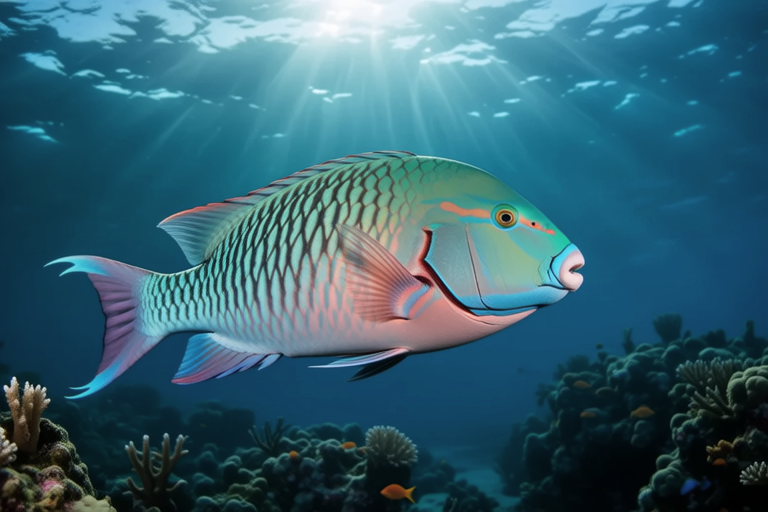
Unraveling the Secrets of Parrot Fish: Vibrant Colors and Mysterious Behaviors
Parrot fish, a group of approximately 90 species, are among the most visually striking inhabitants of the world’s coral reefs. These marine marvels, known for their dazzling array of colors and intriguing behaviors, have captivated the hearts of divers and marine enthusiasts alike. Their unique appearance is characterized by vibrant hues that range from electric blues and greens to fiery oranges and pinks, often with intricate patterns that rival those of tropical birds. This striking palette serves multiple purposes, from camouflage and communication to attracting mates and deterring predators.
The Ecological Role of Parrot Fish
Parrot fish play a vital role in maintaining the delicate balance of coral reef ecosystems. Their feeding habits involve scraping algae off coral surfaces using their strong, beak-like teeth. This grazing activity helps to prevent overgrowth of algae, which can otherwise smother corals and hinder their photosynthesis. By keeping algae populations in check, parrot fish indirectly support the growth and health of coral colonies, contributing significantly to the overall resilience of reef systems.
Additionally, when parrot fish digest the algae, they excrete fine particles of sand. This process is crucial for the formation and maintenance of sandy beaches along coastlines. The production of sand by parrot fish is a testament to their integral role in shaping marine environments and supporting coastal ecosystems.
Mysterious Behaviors
Beyond their ecological significance, parrot fish exhibit a range of fascinating behaviors that continue to intrigue scientists and observers. One of the most enigmatic traits is their nocturnal behavior of secreting a cocoon-like mucus. Each evening, parrot fish produce this protective layer from glands near their gills. The mucus serves as a barrier against predators, particularly at night when visibility is reduced and the fish are more vulnerable. Some theories suggest that the mucus also masks the fish’s scent, further enhancing its protection against potential threats.
Another notable aspect of parrot fish behavior is their migration patterns. Many species undertake seasonal migrations, traveling between different reef areas to find optimal feeding grounds or to spawn. These movements are often synchronized with lunar cycles, ensuring that spawning events coincide with favorable conditions for larval survival.
Reproductive Behaviors and Social Structures
The reproductive behaviors of parrot fish are equally captivating. Most species engage in elaborate courtship rituals, involving color changes, fin displays, and rapid swimming patterns to attract mates. During mating, groups of females may gather around a dominant male, who then fertilizes the eggs externally. In some cases, the male will guard the eggs until they hatch, ensuring their safety from predators.
Parrot fish are generally solitary or live in small groups, but during breeding seasons, larger aggregations may form. These temporary gatherings provide opportunities for genetic diversity and increase the chances of successful reproduction. Within these groups, there is a clear hierarchy, with dominant males often having larger territories and greater access to mates.
Conservation Efforts and Threats
Despite their ecological importance and fascinating behaviors, parrot fish face numerous threats to their survival. Overfishing, habitat destruction, and climate change pose significant challenges to their populations. Coral bleaching events, exacerbated by rising sea temperatures, can devastate the reefs upon which parrot fish depend for food and shelter. Additionally, the introduction of invasive species can disrupt the balance of reef ecosystems, further endangering these colorful fish.
Conservation efforts aimed at protecting parrot fish and their habitats are critical for maintaining the health of marine ecosystems. Marine protected areas (MPAs) play a crucial role in safeguarding these creatures by limiting fishing activities and promoting sustainable practices. Public awareness campaigns and education initiatives are also essential in encouraging responsible behavior and fostering a sense of stewardship for our oceans.
In conclusion, parrot fish are not only a visual delight but also vital components of marine biodiversity. Their vibrant colors, mysterious behaviors, and crucial ecological roles make them indispensable to the health of coral reefs and coastal ecosystems. As we continue to explore and understand these fascinating creatures, it is imperative that we take steps to protect them and ensure their survival for future generations. By appreciating and advocating for the preservation of parrot fish, we can help maintain the vibrant and diverse underwater worlds that inspire and sustain us.
