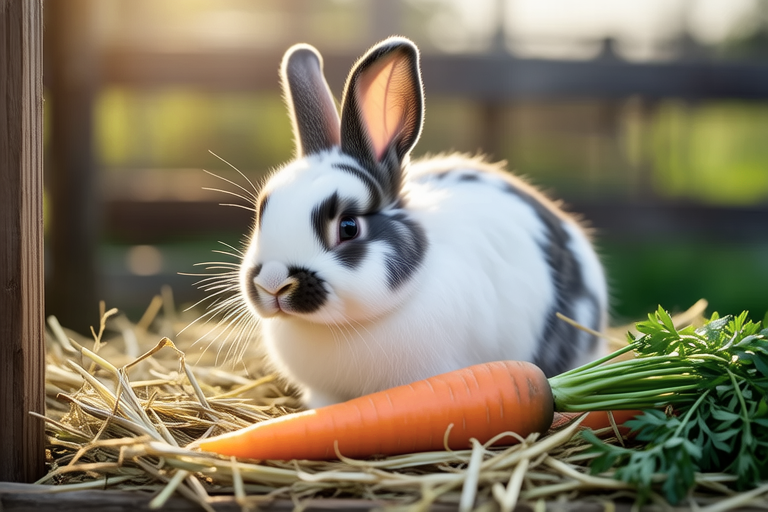
The Ultimate Guide to Living with a Lop Rabbit – Your New Best Friend?
Choosing a pet can be an exciting yet daunting task. If you’re considering adopting a lop rabbit as your new best friend, you’ve made an excellent choice. Known for their friendly nature, playful demeanor, and distinctive floppy ears, lop rabbits are beloved by many pet owners. This comprehensive guide will provide you with all the information you need to successfully live with and care for your lop rabbit.
Choosing the Right Lop Rabbit Breed
Lop rabbits come in various breeds, each with its own unique characteristics. Some popular breeds include the English Lop, French Lop, Holland Lop, and Mini Lop. Before making a decision, consider factors such as size, activity level, and temperament. For instance, the English Lop is one of the largest breeds and requires more space, while the Mini Lop is smaller and more suitable for apartment living.
When selecting a lop rabbit, it’s important to choose a reputable breeder or adopt from a rescue organization. Look for a healthy rabbit with clear eyes, clean fur, and no signs of illness. Spend time observing the rabbit’s behavior; they should be curious and active rather than lethargic or fearful. A well-socialized lop rabbit will make a better companion.
Essential Care Tips
Caring for a lop rabbit involves several key aspects, including housing, hygiene, and safety. Provide your lop rabbit with a spacious, secure enclosure with adequate ventilation. The hutch should be large enough for your rabbit to stretch out fully and move around comfortably. Additionally, ensure there’s a separate sleeping area with bedding, such as hay or straw.
Rabbits are sensitive to temperature changes, so place their enclosure in a cool, shaded area away from direct sunlight and drafts. Clean the hutch regularly to maintain good hygiene and prevent the buildup of bacteria and parasites. Use non-toxic cleaning products and thoroughly rinse any cleaning agents before replacing the bedding.
Dietary Requirements
A balanced diet is crucial for maintaining your lop rabbit’s health. Their diet should consist primarily of hay, which provides essential fiber for digestion and dental health. Offer unlimited access to fresh hay, such as timothy hay or orchard grass. Supplement their diet with a small amount of pellets specifically formulated for rabbits. Avoid overfeeding pellets, as this can lead to obesity and other health issues.
Vegetables and fruits can be given as occasional treats. Introduce new foods gradually to avoid digestive upset. Good options include leafy greens like romaine lettuce, kale, and spinach. Limit high-sugar fruits like apples and bananas to once or twice a week. Always wash produce thoroughly and remove any seeds or pits before feeding.
Exercise Needs
Regular exercise is vital for your lop rabbit’s physical and mental well-being. Allow your rabbit supervised playtime outside of their enclosure daily. A spacious, rabbit-proofed room or a dedicated play area with tunnels, toys, and cardboard boxes can provide ample opportunities for exploration and exercise. Rotate toys frequently to keep your rabbit engaged and stimulated.
Supervise your rabbit during playtime to ensure their safety and prevent them from chewing on electrical cords or other hazardous items. Encourage gentle exercise through interactive play, such as hide-and-seek or fetch games. Exercise not only helps maintain a healthy weight but also promotes bonding between you and your lop rabbit.
Grooming Routines
Grooming is an essential part of caring for your lop rabbit. Regular brushing helps remove loose hair and prevent hairballs. Use a soft-bristled brush or a slicker brush to gently comb through your rabbit’s fur. Pay special attention to areas where mats may form, such as behind the ears and under the chin.
Bathing should be kept to a minimum, as rabbits are self-groomers and frequent bathing can strip their skin of natural oils. If necessary, use a mild, unscented shampoo specifically designed for rabbits. Dry your rabbit thoroughly after bathing to prevent chilling. Trim your rabbit’s nails every few weeks if they don’t wear down naturally. Consult a veterinarian or a professional groomer for proper nail trimming techniques.
Common Health Issues
Despite proper care, lop rabbits can still experience health problems. Common issues include dental disease, gastrointestinal stasis, and respiratory infections. Dental disease can occur when the teeth grow too long and cause discomfort or difficulty eating. Signs include drooling, pawing at the mouth, and reduced appetite. Prompt veterinary care is necessary to address dental issues.
Gastrointestinal stasis occurs when the digestive system slows down or stops functioning properly. Symptoms include decreased appetite, lethargy, and infrequent or abnormal droppings. Immediate intervention is required to prevent life-threatening complications. Respiratory infections can be caused by poor ventilation or overcrowding. Keep your rabbit’s enclosure clean and well-ventilated to reduce the risk of respiratory issues.
How to Bond with Your Lop Rabbit
Building a strong bond with your lop rabbit takes time and patience. Spend quality time with your rabbit daily, offering treats and gentle handling. Gently pet your rabbit along their back and sides, avoiding the stomach area, which some rabbits find uncomfortable. Speak softly and calmly to your rabbit to create a positive association with your presence.
Training your lop rabbit can enhance your relationship and make handling easier. Start with basic commands like “come” and “sit.” Reward your rabbit with praise and treats for obeying commands. Consistency is key in training, so use the same words and gestures each time. Patience is essential, as rabbits learn at their own pace.
Unique Characteristics of Lop Rabbits
Lop rabbits possess several traits that make them exceptional companions. Their floppy ears are one of their most distinguishing features, but they also have gentle dispositions and enjoy human interaction. Many lop rabbits are affectionate and enjoy being cuddled or held. However, it’s important to handle them gently to avoid injury to their delicate ears.
Lop rabbits are intelligent and curious animals. They love to explore their surroundings and can become bored easily if left without stimulation. Providing toys, tunnels, and hiding spots encourages mental and physical stimulation. Lop rabbits are social creatures and thrive in the company of humans or other rabbits. Consider adopting a bonded pair if you’re unable to spend significant time with your rabbit.
Creating a Safe and Enriching Environment
To ensure your lop rabbit feels safe and comfortable, create a calm and enriched environment. Provide plenty of hiding spots, such as cardboard boxes or tunnels, where your rabbit can retreat when feeling overwhelmed. Offer a variety of toys and activities to keep your rabbit entertained. Rotate toys regularly to prevent boredom and encourage exploration.
Rabbits are territorial animals, so it’s essential to establish a consistent routine and provide a sense of security. Feed your rabbit at the same time each day and maintain a regular schedule for playtime and grooming. A predictable routine helps your rabbit feel secure and reduces stress.
Integrating a Lop Rabbit into a Family Setting
Introducing a lop rabbit into a family setting requires careful planning and preparation. Ensure all family members understand how to interact safely and respectfully with the rabbit. Teach children to approach the rabbit gently and avoid sudden movements or loud noises.
Handle your lop rabbit with care, especially when introducing them to new environments or people. Allow your rabbit to approach new situations at their own pace. Supervise interactions between your rabbit and other pets, such as dogs or cats, to prevent accidents. Gradually introduce your rabbit to new spaces, allowing them to explore and acclimate to their surroundings.
Living with a lop rabbit can be a rewarding and fulfilling experience. By following these guidelines, you’ll provide your lop rabbit with a happy, healthy, and enriching life. Remember, each rabbit is unique, so take the time to understand your rabbit’s individual needs and preferences. With proper care and attention, your lop rabbit will become your loyal and loving companion.
