The Lesser-Known Facts About Heterometrus spinifer That Will Blow Your Mind
When it comes to scorpions, most people think of venomous creatures that lurk in the dark corners of deserts. However, there’s a lesser-known species that challenges these preconceived notions: Heterometrus spinifer. This scorpion, native to Southeast Asia, is a marvel of nature, with unique physical traits, behaviors, and ecological roles. In this article, we will explore some lesser-known facts about Heterometrus spinifer, dispelling myths and providing scientific insights that will leave you amazed.
An Introduction to Heterometrus spinifer
Heterometrus spinifer, commonly known as the hairy forest scorpion, is a species of scorpion found primarily in the rainforests of Southeast Asia, including countries like Malaysia, Thailand, and Indonesia. It belongs to the family Scorpionidae and is one of the largest scorpions in its range. Despite its intimidating appearance, Heterometrus spinifer is a fascinating creature with many surprising attributes.
Habitat and Distribution
The Heterometrus spinifer thrives in the lush, humid environments of tropical rainforests. Unlike many desert-dwelling scorpions, it prefers areas with high humidity and dense vegetation. These scorpions are often found under logs, in leaf litter, or within tree hollows, where they can find both shelter and prey. Their preference for such habitats makes them a crucial part of the forest ecosystem.
One of the lesser-known facts about Heterometrus spinifer is its ability to adapt to various microhabitats within its environment. They can be found at different elevations and in diverse forest types, from lowland forests to montane regions. This adaptability has allowed the species to maintain a relatively stable population despite the pressures of deforestation and climate change.
Physical Characteristics
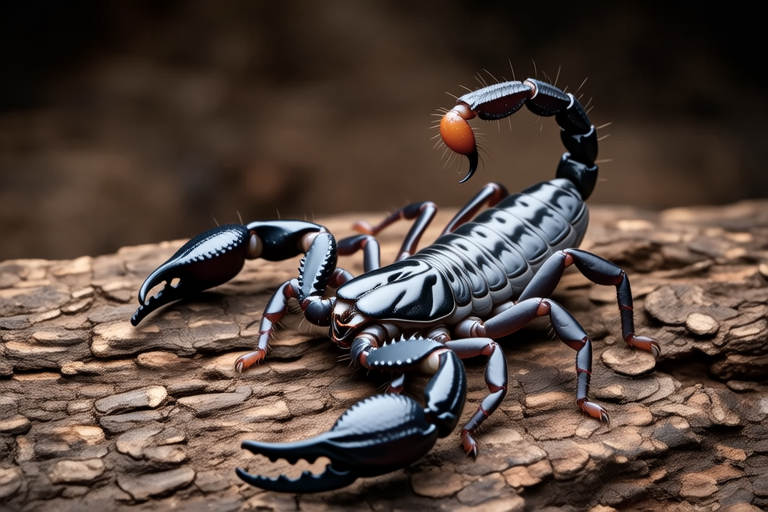
The Heterometrus spinifer is easily recognizable due to its distinctive physical features. One of the most notable characteristics is its size; adults can grow up to 15 cm in length, making them one of the largest scorpions in their region. Their body is covered in fine hairs, which give them their common name, “hairy forest scorpion.”
These hairs serve multiple purposes. Firstly, they act as sensory organs, helping the scorpion detect vibrations in its surroundings, which aids in hunting and avoiding predators. Secondly, the hairs can also produce a static charge when rubbed against each other, which may play a role in communication between individuals. Additionally, these hairs provide camouflage, allowing the scorpion to blend into its leafy environment.
The venom of Heterometrus spinifer is another area of interest. While it does possess venom glands, the potency of its venom is relatively mild compared to other scorpion species. The venom serves primarily for subduing prey and deterring predators rather than causing severe harm to humans. Misconceptions about scorpion venom potency often lead to exaggerated fears, but in the case of Heterometrus spinifer, the risk to humans is minimal.
Behavior and Ecology
The behavior of Heterometrus spinifer is as intriguing as its physical characteristics. These scorpions are nocturnal, spending their days hidden away in crevices and emerging at night to hunt. They are opportunistic hunters, feeding on a variety of small invertebrates, including insects, spiders, and even other scorpions. Their diet contributes significantly to controlling pest populations within their ecosystem.
One of the most surprising aspects of Heterometrus spinifer‘s behavior is its mating ritual. During the breeding season, males engage in complex courtship dances to attract females. These dances involve a series of movements and postures that can last for several hours. Once a female is receptive, the male deposits a spermatophore, and the female collects it to fertilize her eggs. This elaborate courtship process ensures genetic diversity within the species.
The role of Heterometrus spinifer in its ecosystem extends beyond predation. As decomposers, they contribute to nutrient cycling by breaking down organic matter. Additionally, their burrowing activities help aerate the soil, promoting healthier plant growth. These ecological contributions highlight the importance of preserving their habitats, as changes to their environment could have cascading effects on the entire ecosystem.
Misconceptions and Myths
Despite being a fascinating species, Heterometrus spinifer is often misunderstood. One of the most common misconceptions is that all scorpions are dangerous to humans. While it’s true that some scorpion species can deliver deadly stings, the venom of Heterometrus spinifer is generally harmless to humans. The sting might cause localized pain and swelling, similar to a bee sting, but it is rarely life-threatening.
Another myth is that scorpions always glow under ultraviolet light. While it’s true that many scorpion species, including Heterometrus spinifer, fluoresce under UV light, this phenomenon is not universal across all species. The reason for this fluorescence is still debated among scientists, with theories ranging from a protective mechanism against UV radiation to a means of communication or thermoregulation.
It’s also important to note that scorpions are not inherently aggressive towards humans. Most encounters with humans result in no harm to either party. Scorpions typically only sting when provoked or threatened. Understanding these myths and misconceptions helps foster a more accurate appreciation of these creatures.
Conservation Status and Future Outlook
Like many species, Heterometrus spinifer faces threats to its survival due to habitat loss and fragmentation caused by human activities such as deforestation and urbanization. Conservation efforts are crucial to ensuring the continued existence of this remarkable species. Protecting their natural habitats and raising awareness about the importance of biodiversity are key steps in safeguarding their future.
Research initiatives aimed at understanding the biology and ecology of Heterometrus spinifer are ongoing. Scientists are studying their behavior, genetics, and interactions with other species to gain deeper insights into their role in the ecosystem. This knowledge can inform conservation strategies and help mitigate the impacts of environmental changes.
Conclusion
The Heterometrus spinifer is a remarkable species with many lesser-known facts that challenge our perceptions of scorpions. From its unique physical adaptations to its intricate behaviors and vital ecological roles, this scorpion is a testament to the wonders of nature. By dispelling myths and providing accurate information, we can foster a greater appreciation for these fascinating creatures and work towards their conservation.
As we continue to explore and understand the world around us, it’s essential to recognize the value of every species, no matter how seemingly insignificant. The Heterometrus spinifer serves as a reminder of the complexity and beauty of the natural world, inspiring us to protect and preserve it for future generations.
