5 Fascinating Facts About Clownfish You Never Knew
Clownfish, with their vibrant colors and charismatic personalities, have captured the hearts of many. From the animated film Finding Nemo to marine aquariums, these fish are beloved worldwide. However, beyond their charming appearance, clownfish possess an array of fascinating traits that set them apart from other marine creatures. This article delves into five lesser-known facts about clownfish, offering insights into their unique behaviors, adaptations, and roles within the coral reef ecosystem.
1. The Dynamic Duo: Clownfish and Anemones
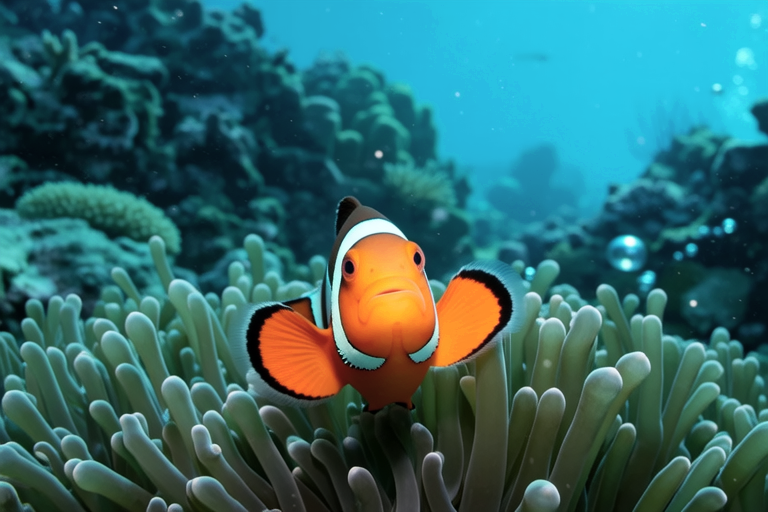
The symbiotic relationship between clownfish and sea anemones is one of nature’s most captivating partnerships. While it is widely known that clownfish live among the tentacles of anemones for protection, what is less recognized is the complexity of this mutualistic relationship.
Scientifically speaking, anemones possess stinging cells called nematocysts that paralyze their prey. Yet, clownfish have developed a protective mucus layer on their skin that prevents the anemone’s stingers from firing. In return, the clownfish’s constant movement around the anemone helps to deter potential predators and even attract smaller fish for the anemone to consume. Additionally, clownfish waste provides nutrients for the anemone, promoting its health and growth. This intricate dance of dependency showcases the delicate balance of life in the ocean.
2. Gender Benders: The Flexible Sexuality of Clownfish
One of the most intriguing aspects of clownfish biology is their ability to change sex. Clownfish are sequential hermaphrodites, meaning they can switch genders throughout their lives. Typically, the largest female in a group becomes the dominant individual, followed by a male. If the dominant female dies, the male will undergo a transformation, developing female reproductive organs within weeks.
This remarkable adaptation ensures the survival of the species by maintaining genetic diversity. It also highlights the plasticity of sexual development in certain organisms, challenging conventional views on gender roles in the animal kingdom. Understanding this process provides valuable insights into evolutionary biology and the adaptability of species in response to environmental pressures.
3. Masters of Camouflage: The Art of Disguise
Clownfish are not only masters of survival but also experts at camouflage. Their striking patterns, which include white stripes on an orange or yellow background, serve multiple purposes. These patterns help them blend into the vibrant surroundings of their anemone homes, making them less visible to predators.
Moreover, recent studies suggest that the coloration may also play a role in communication within their own species. For instance, different shades and patterns might signal dominance or readiness to mate. This complex interplay of visual cues underscores the sophistication of clownfish behavior and their ability to thrive in competitive environments.
4. Social Structures: The Complex World of Clownfish Hierarchies
Contrary to popular belief, clownfish do not live in random groups. They exist in hierarchical societies that are as complex as those found in many terrestrial animals. Each group typically consists of a breeding pair and several non-breeding individuals, all descendants of the breeding pair.
The breeding pair enjoys exclusive rights to reproduction, while the subordinates assist in caring for the eggs and young. Interestingly, subordinate clownfish exhibit behaviors that are similar to those of helpers in cooperatively breeding birds. This level of social organization suggests a high degree of intelligence and social complexity, further enhancing our understanding of clownfish as sophisticated marine inhabitants.
5. The Role of Clownfish in Coral Reef Health
Beyond their direct interactions with anemones, clownfish play a crucial role in maintaining the health of coral reefs. By feeding on algae that can smother corals, they indirectly contribute to the overall well-being of the reef ecosystem. This behavior helps to prevent overgrowth, allowing corals to receive essential sunlight for photosynthesis.
Furthermore, clownfish are often seen interacting with other reef-dwelling organisms, including cleaner shrimp and wrasses. These interactions can influence the distribution and abundance of these species, thereby affecting the entire reef community. As such, clownfish are integral components of the coral reef food web, demonstrating the interconnectedness of marine life.
Conclusion: A Unique Ecosystem Player
In conclusion, clownfish are far more than just colorful companions to sea anemones. Their ability to change sex, master camouflage, live in structured social groups, and contribute to reef health showcases their unique place in the ocean ecosystem. Each of these characteristics not only highlights the complexity of marine life but also underscores the importance of protecting these ecosystems. As we continue to explore and understand the intricate relationships within marine environments, clownfish stand as emblematic examples of the wonders hidden beneath the waves.
