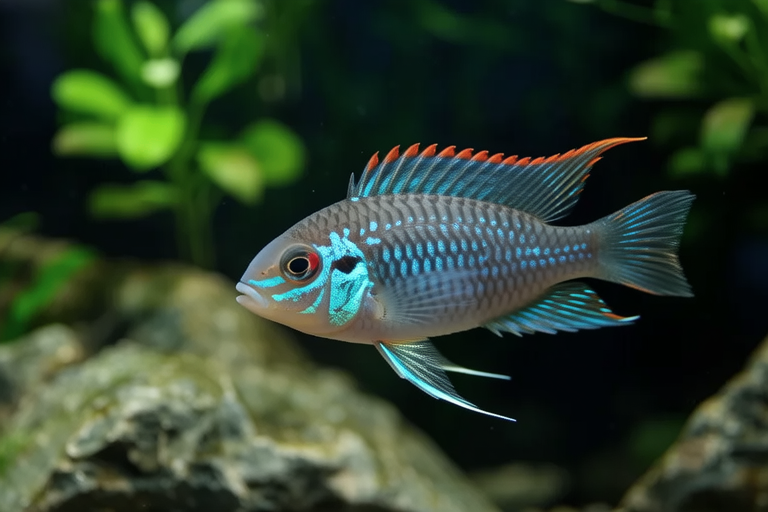
Rajah Cichlid Transformation: How This Species Thrives in Your Aquarium
The Rajah cichlid (Apistogramma panduro) is a captivating freshwater fish species that has garnered significant attention among aquarists for its striking appearance and intriguing behavior. Originating from the Amazon Basin, these small but vibrant cichlids are renowned for their bold colors and complex social dynamics. In this article, we will explore the unique characteristics of Rajah cichlids, their ideal aquarium setup, dietary needs, breeding habits, and common health issues. We will also provide tips on how to encourage their vibrant coloration and proper growth.
Unique Characteristics of Rajah Cichlids
Rajah cichlids are known for their vibrant and varied coloration. Males typically display a bright red body with dark vertical stripes, while females are more subdued, often sporting a yellowish-brown hue. These differences in coloration serve as a visual cue for potential mates and rivals. Rajah cichlids are also distinguished by their relatively large eyes, which give them excellent vision in their natural habitat. Their slender bodies and pointed fins make them agile swimmers, allowing them to navigate through dense vegetation and rocky crevices.
In addition to their striking appearance, Rajah cichlids exhibit complex social behaviors. They are highly territorial, especially during breeding season, and will defend their chosen territory against intruders. Males establish and maintain territories to attract females and protect their offspring. Females, on the other hand, are responsible for caring for the eggs and fry once they have been fertilized. This division of labor underscores the importance of providing ample hiding spots and spawning sites within the aquarium to ensure successful breeding.
Ideal Aquarium Setup
To create an environment that mimics the natural habitat of Rajah cichlids, it is essential to consider several factors when setting up your aquarium. A minimum tank size of 30 gallons is recommended for a pair or trio of Rajah cichlids, with additional space provided if you plan to keep more individuals. The water temperature should be maintained between 75-82°F (24-28°C), and the pH level should range from 6.0 to 7.0, reflecting the slightly acidic conditions found in their native Amazon waters. Regular water changes are crucial to maintaining water quality and preventing the buildup of harmful substances.
Adequate filtration is vital for the health of your Rajah cichlids. A high-quality filter capable of handling the tank’s volume will help remove waste products and maintain optimal water conditions. Additionally, incorporating live plants such as Java moss, Amazon sword, and water wisteria can provide hiding places and enhance the overall aesthetic appeal of the aquarium. Driftwood pieces can also be added to simulate the natural riverbeds and contribute to the development of beneficial bacteria.
Providing plenty of hiding spots is crucial for the well-being of Rajah cichlids. These fish are naturally shy and may become stressed if they feel exposed. Incorporating caves, PVC pipes, and densely planted areas will offer refuge and reduce stress levels. It is important to note that overcrowding should be avoided, as it can lead to increased aggression and competition for resources.
Dietary Needs
Rajah cichlids are omnivorous, meaning they consume both plant matter and small invertebrates. In the wild, their diet consists primarily of insect larvae, small crustaceans, and algae. To replicate this diet in captivity, a balanced feeding regimen should include high-quality flake foods, pellets, and frozen or freeze-dried foods such as bloodworms, brine shrimp, and daphnia. Supplementing their diet with occasional live foods like blackworms or mosquito larvae can further stimulate their natural feeding instincts.
It is important to avoid overfeeding, as excess food can lead to poor water quality and obesity. Feeding small portions twice daily is generally sufficient to meet their nutritional needs. Additionally, offering a variety of foods will help ensure that your Rajah cichlids receive all the necessary nutrients for optimal health and vibrant coloration.
Breeding Habits
Rajah cichlids are egg-laying fish that engage in parental care of their offspring. Breeding can be challenging due to the territorial nature of males and the need for suitable spawning sites. To encourage breeding, it is advisable to provide multiple caves or spawning sites within the aquarium, ensuring that each male has access to at least one. The female will choose a suitable site and clean it meticulously before laying her eggs. Once the eggs are fertilized, the female will guard them diligently until they hatch, typically after 72 hours.
After hatching, the fry will remain attached to the substrate for a few days before becoming free-swimming. At this stage, it is crucial to provide appropriate nutrition for the growing fry. Infusoria, newly hatched brine shrimp, and microworms are excellent first foods for the fry. As they grow, they can be gradually introduced to larger food items. It is important to note that during this period, the parents may become aggressive towards the fry, so separating them into a dedicated breeding tank or using a breeding cone can help protect the young.
Common Health Issues
Like any aquatic species, Rajah cichlids are susceptible to various health issues. One of the most common problems is ich, a parasitic infection characterized by white spots on the fish’s body. Maintaining optimal water conditions and performing regular water changes can help prevent ich outbreaks. If symptoms appear, treatment with commercial ich medications is usually effective.
Another potential issue is swim bladder disorder, which can cause difficulty in swimming or floating upside down. This condition is often associated with overfeeding or poor water quality. Ensuring proper feeding practices and maintaining excellent water conditions can help prevent swim bladder issues. If symptoms persist, consulting a veterinarian specializing in fish health is recommended.
External parasites, such as anchor worms or fish lice, can also affect Rajah cichlids. These parasites attach themselves to the fish’s body and can cause irritation and secondary infections. Treatment with appropriate anti-parasitic medications is necessary to eliminate these pests and promote healing.
Encouraging Vibrant Coloration and Proper Growth
To encourage vibrant coloration and proper growth in your Rajah cichlids, it is essential to provide a stimulating environment that meets their physiological and psychological needs. High-quality water parameters, including stable temperature, pH, and ammonia/nitrite levels, are critical for maintaining overall health. Adequate lighting is also important, as exposure to natural light or full-spectrum LED lights can enhance coloration.
Providing a diverse and nutritious diet rich in vitamins and minerals will support healthy growth and vibrant coloration. Offering a variety of foods, including live, frozen, and dry options, will ensure that your Rajah cichlids receive all the necessary nutrients. Additionally, incorporating tannins from driftwood or Indian almond leaves can help acidify the water and promote optimal coloration.
Maintaining a peaceful and stress-free environment is equally important. Overcrowding, aggressive tankmates, and inadequate hiding spots can lead to stress, which may manifest as dull coloration or reduced activity levels. Providing ample space, appropriate tankmates, and sufficient hiding spots will help create a harmonious atmosphere that encourages proper growth and vibrant coloration.
Care Tips and Considerations
When caring for Rajah cichlids, there are several key considerations to keep in mind:
- Water Quality: Regular water changes and monitoring of water parameters are essential for maintaining optimal conditions.
- Feeding: Offer a balanced diet and avoid overfeeding to prevent health issues and water quality problems.
- Behavioral Observations: Pay close attention to the behavior of your Rajah cichlids. Changes in appetite, activity levels, or coloration may indicate underlying health issues.
- Compatibility: Choose compatible tankmates carefully to avoid aggression and stress.
- Environmental Enrichment: Provide a stimulating environment with plenty of hiding spots, plants, and structures to mimic their natural habitat.
By following these guidelines and providing attentive care, you can ensure that your Rajah cichlids thrive in your aquarium and bring joy to your aquatic world.
