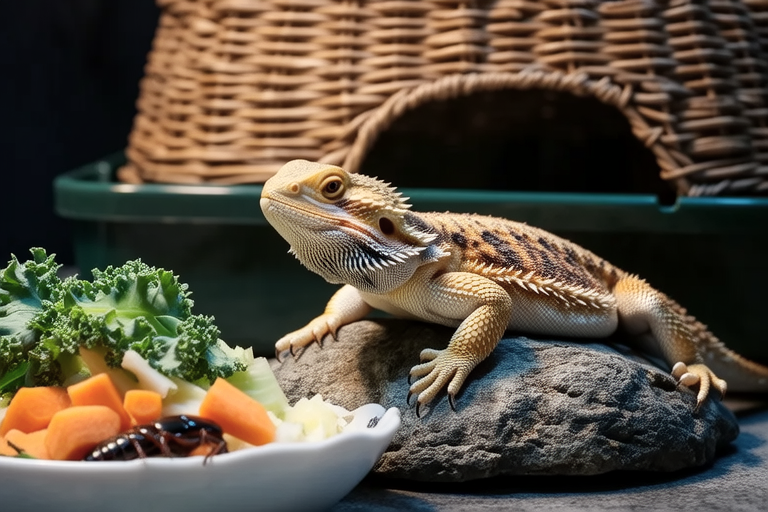
The Ultimate Diet Plan for Ensuring Your Bearded Dragon Thrives
Bearded dragons, native to Australia, are popular pets known for their docile nature and striking appearance. Providing them with a well-balanced diet is crucial for their health and longevity. This guide will outline the nutritional needs of bearded dragons, discuss the importance of a balanced diet, provide a detailed weekly meal plan, and offer tips for safe feeding practices.
Nutritional Needs of Bearded Dragons
Bearded dragons require a variety of nutrients to thrive. Essential vitamins and minerals include calcium, vitamin D3, phosphorus, and various other vitamins like A, C, and K. Calcium is particularly important as it helps prevent metabolic bone disease, a condition where the bones become weak and brittle due to insufficient calcium. Vitamin D3 aids in calcium absorption, while phosphorus, if not kept in balance with calcium, can interfere with calcium uptake.
Importance of a Balanced Diet
A balanced diet for bearded dragons comprises vegetables, fruits, and proteins. Vegetables provide essential vitamins and minerals, while proteins support muscle growth and repair. Fruits can be offered sparingly as treats due to their high sugar content. Juveniles need more protein than adults to support rapid growth, whereas adults require a higher proportion of vegetables to maintain a healthy weight.
Detailed Weekly Meal Plan
For Juveniles (0-18 months)
- Monday: Crickets dusted with calcium powder, collard greens, and mustard greens.
- Tuesday: Dubia roaches dusted with calcium powder, dandelion greens, and endive.
- Wednesday: Waxworms (as a treat), kale, and turnip greens.
- Thursday: Mealworms dusted with calcium powder, parsley, and escarole.
- Friday: Silkworms dusted with calcium powder, romaine lettuce, and watercress.
- Saturday: Locusts dusted with calcium powder, bok choy, and cilantro.
- Sunday: Rest day; no food.
For Adults (over 18 months)
- Monday: Crickets dusted with calcium powder, collard greens, and mustard greens.
- Tuesday: Dubia roaches dusted with calcium powder, dandelion greens, and endive.
- Wednesday: Waxworms (as a treat), kale, and turnip greens.
- Thursday: Mealworms dusted with calcium powder, parsley, and escarole.
- Friday: Silkworms dusted with calcium powder, romaine lettuce, and watercress.
- Saturday: Locusts dusted with calcium powder, bok choy, and cilantro.
- Sunday: Rest day; no food.
Ensure that all insects are gut-loaded before feeding to maximize nutritional value. Gut-loading involves feeding insects a nutrient-rich diet for at least 24 hours prior to offering them to your bearded dragon.
Hydration and Calcium Supplementation
Bearded dragons should have access to fresh water daily. Misting their enclosure or providing a shallow water dish can help maintain humidity levels, encouraging drinking. Calcium supplementation is vital, especially for juveniles. Dusting insects with calcium powder once or twice a week helps prevent deficiencies. However, over-supplementation can lead to hypercalcemia, so follow the manufacturer’s guidelines carefully.
Tips for Safe Feeding Practices
Always ensure that food items are appropriately sized for your bearded dragon. Too large pieces can cause choking. Avoid feeding wild-caught insects as they may carry parasites or toxins harmful to your pet. Freshness is key; never feed spoiled or moldy foods. Additionally, vary the diet regularly to prevent boredom and ensure a broad spectrum of nutrients.
Common Dietary Mistakes to Avoid
Feeding too many high-fat insects like waxworms can lead to obesity. Excessive fruit intake can cause diarrhea and other digestive issues. Over-supplementing with calcium or vitamin D3 can result in hypercalcemia. It’s also important to avoid feeding bearded dragons certain plants like avocado, rhubarb, spinach, and iceberg lettuce, as these can be toxic or lack sufficient nutritional value.
Monitoring Your Dragon’s Health Through Diet
Regularly monitor your bearded dragon’s body condition. Signs of a healthy diet include clear eyes, active behavior, and steady weight gain in juveniles. Conversely, lethargy, weight loss, or swollen limbs might indicate dietary deficiencies or other health issues. Adjustments to the diet may be necessary if you notice any of these signs.
In conclusion, providing a well-balanced diet rich in essential nutrients is fundamental to ensuring your bearded dragon thrives. By following this comprehensive guide, you can help your pet maintain optimal health and enjoy a long, happy life.
