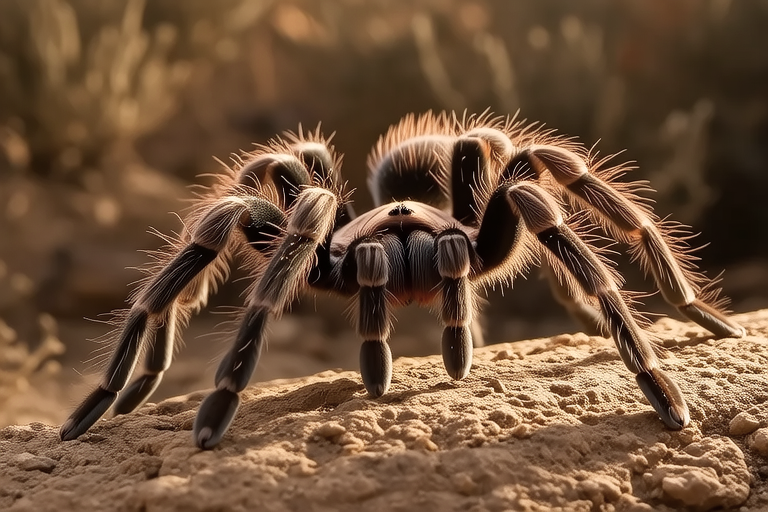
The Dichotomy of the Chilean Rose Tarantula: A Delightful Yet Intimidating Pet
The Chilean Rose Tarantula (Grammostola rosea) is a fascinating creature that embodies the dichotomy between its intimidating appearance and its docile nature. Often seen as a scary or dangerous pet, this tarantula species is actually one of the most popular choices among beginners due to its relatively easy care requirements and calm temperament. In this article, we will explore the appearance, care needs, common misconceptions, and the unique joys and challenges of owning a Chilean Rose Tarantula.
Appearance and Behavior
The Chilean Rose Tarantula is named for its pinkish hue, which is most prominent when it molts and sheds its old skin. Its body is covered in fine hairs, giving it a velvety appearance. These hairs can be used defensively if the tarantula feels threatened, shooting them at potential predators. Despite their intimidating appearance, these spiders are generally calm and slow-moving, making them ideal pets for those who want an exotic animal without the hassle of constant care.
Chilean Rose Tarantulas are nocturnal creatures, meaning they are most active during the night. They spend their days hiding in burrows or other dark, secure spaces. At night, they emerge to hunt for prey, which typically consists of small insects like crickets and mealworms. Their hunting method involves ambushing prey and injecting venom with their fangs, which then paralyzes the victim. Once the prey is immobilized, the tarantula secretes digestive enzymes to liquefy the insides of the insect before sucking out the nutrients.
Care Requirements
Proper care is essential for keeping your Chilean Rose Tarantula healthy and happy. The enclosure should be large enough to allow the tarantula to move around comfortably, but not so large that it becomes difficult to heat and maintain humidity levels. A 10-gallon tank is usually sufficient for an adult tarantula. The substrate should be at least four inches deep, allowing the tarantula to dig and create a burrow. Suitable substrates include coconut fiber, peat moss, or vermiculite.
Maintaining the right temperature and humidity levels is crucial for the well-being of your tarantula. The optimal temperature range is between 75°F and 85°F (24°C to 29°C), while the humidity should be kept between 60% and 80%. A shallow water dish should be provided to help maintain humidity levels, but it is important to ensure that it does not become stagnant. A heat lamp or under-tank heater can be used to maintain the correct temperature.
Feeding your tarantula appropriately is also vital. Younger tarantulas should be fed every five to seven days, while adults can be fed once every two weeks. It is important to offer live prey, such as crickets or mealworms, as they are more nutritious than pre-killed insects. Overfeeding can lead to obesity, which may shorten the lifespan of your tarantula.
Common Misconceptions About Tarantulas
One of the most common misconceptions about tarantulas is that they are aggressive and dangerous. While it is true that tarantulas have venom, it is generally considered harmless to humans. The venom of a Chilean Rose Tarantula is only strong enough to subdue small prey, and even a bite from this species is unlikely to cause more than mild discomfort. Another misconception is that tarantulas are dirty animals. In reality, they are quite clean and spend a significant amount of time grooming themselves.
Many people also believe that tarantulas are solitary animals that do not interact with each other. While it is true that tarantulas do not form social groups like ants or bees, they can still recognize and respond to other tarantulas. Males and females are typically kept separately, as males can become aggressive during mating season. However, some owners report that their tarantulas show signs of recognition when they are introduced to new individuals.
The Joys and Challenges of Owning a Chilean Rose Tarantula
Owning a Chilean Rose Tarantula can be a rewarding experience for those who appreciate the beauty and uniqueness of these creatures. Watching your tarantula grow and thrive in its enclosure can be incredibly satisfying. Many owners also enjoy the sense of responsibility that comes with caring for a pet that requires specialized attention. Additionally, tarantulas are relatively low-maintenance compared to other exotic pets, making them an excellent choice for busy individuals or those who are new to pet ownership.
However, there are also challenges associated with owning a tarantula. One of the biggest challenges is the fear factor. Even though Chilean Rose Tarantulas are generally calm and docile, many people find them intimidating due to their size and appearance. For some, the idea of handling a tarantula is too much to bear, and they prefer to observe their pet from a distance. Another challenge is the cost of setting up a proper enclosure and maintaining it over time. While the initial setup can be expensive, ongoing costs are relatively low compared to other exotic pets.
Insights from Experienced Owners
Experienced owners often emphasize the importance of understanding your tarantula’s environment and behavior for successful pet ownership. They recommend spending time observing your tarantula in its natural habitat to get a better sense of its preferences and needs. This can help you create a more suitable environment and avoid common mistakes, such as overfeeding or failing to provide adequate hiding spots.
Many owners also stress the importance of patience when dealing with tarantulas. These creatures are not as interactive as dogs or cats, and they may not always respond to human interaction in the same way. However, with time and patience, you can build a bond with your tarantula and learn to appreciate its unique qualities. Some owners even report that their tarantulas show signs of recognition when they approach their enclosure, further emphasizing the importance of patience and consistency.
Potential Health Benefits of Having a Pet Tarantula
In addition to the joys of ownership, having a pet tarantula may offer several health benefits. Studies have shown that interacting with animals can reduce stress and anxiety, improve mood, and increase feelings of well-being. While the calming effect of watching a tarantula may not be as immediate as petting a dog or cat, it can still provide a sense of peace and relaxation. For some people, the act of caring for a pet tarantula can also promote mindfulness and focus, helping to reduce feelings of overwhelm or distraction.
Furthermore, owning a pet tarantula can provide an opportunity for learning and personal growth. Tarantulas are fascinating creatures with complex behaviors and biology, and caring for one can inspire curiosity and a desire to learn more about these amazing animals. This can lead to increased knowledge and appreciation for the natural world, as well as a greater sense of connection to the environment.
Tips for First-Time Spider Owners
If you are considering getting a Chilean Rose Tarantula as your first pet spider, there are several things to keep in mind. First, it is important to research thoroughly before making a decision. Understanding the care requirements and potential challenges of owning a tarantula can help you make an informed choice. It is also a good idea to visit a reputable breeder or pet store to see the tarantulas in person and ask questions about their care and behavior.
Once you have brought your tarantula home, it is important to give it time to adjust to its new environment. Avoid handling your tarantula for the first few weeks, as it may be stressed from the move and less likely to tolerate interaction. Instead, focus on creating a comfortable and stimulating environment for your pet. Provide plenty of hiding spots, appropriate substrate, and a consistent feeding schedule to help your tarantula feel safe and secure.
Finally, be patient and observant. Every tarantula is different, and it may take time to understand your pet’s individual needs and preferences. By paying close attention to your tarantula’s behavior and responding accordingly, you can create a strong bond and ensure a long, healthy life for your pet.
The Importance of Understanding a Tarantula’s Environment and Behavior
Understanding your tarantula’s environment and behavior is crucial for successful pet ownership. Tarantulas are highly sensitive to changes in their surroundings, and even small adjustments can have a big impact on their health and well-being. For example, sudden changes in temperature or humidity levels can cause stress, leading to decreased appetite, lethargy, or even illness. Similarly, disruptions to the tarantula’s routine can cause anxiety and affect its ability to thrive.
To minimize stress and promote a healthy environment, it is important to establish a consistent routine for feeding, cleaning, and handling your tarantula. Regularly monitor the temperature and humidity levels in the enclosure, and make adjustments as needed to ensure optimal conditions. Providing a variety of hiding spots and enrichment items, such as branches or tunnels, can also help stimulate your tarantula and encourage natural behaviors.
In conclusion, the Chilean Rose Tarantula is a captivating and rewarding pet that offers unique joys and challenges for its owners. By understanding its appearance, care requirements, common misconceptions, and the importance of a suitable environment, you can create a fulfilling and enriching relationship with your tarantula. With patience, dedication, and a willingness to learn, you can enjoy the many benefits of owning this fascinating and often misunderstood creature.
