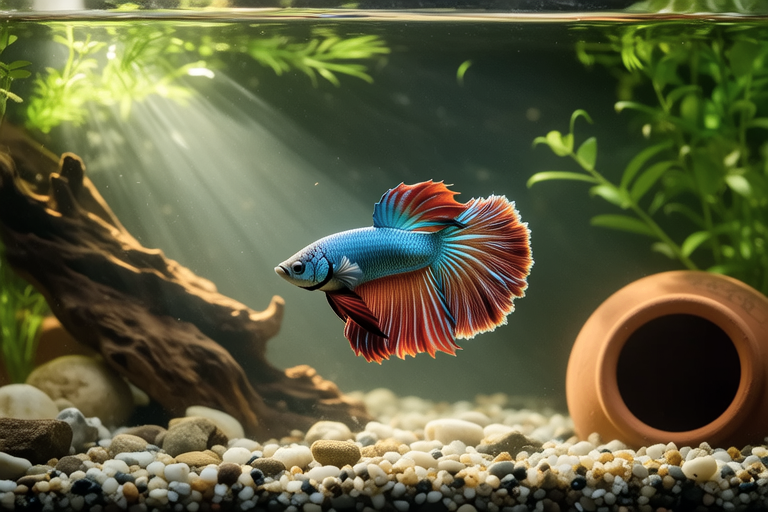
DIY Guide: How to Create the Perfect Habitat for Your Betta
Welcome to your comprehensive guide on creating the perfect habitat for your betta! Whether you’re a first-time betta owner or an experienced aquarist, this guide will help you set up a healthy and stimulating environment for your fish. We’ll cover everything from selecting the right tank size to maintaining water quality, ensuring that your betta lives a long and happy life.
Selecting the Right Tank Size
The first step in creating a perfect habitat for your betta is choosing the right tank size. Contrary to popular belief, bettas do not thrive in small containers like vases. They need ample space to swim and explore. A minimum of 2.5 gallons (approximately 10 liters) is recommended for a single betta, though larger tanks can provide even better conditions.
For those who prefer a more compact setup, a 5-gallon tank is ideal as it allows for a filter and heater, which are crucial for maintaining water quality and temperature. Larger tanks, around 10 gallons or more, offer more swimming space and can support additional plants and decorations, making the environment more enriching for your betta.
Filtration Systems
A proper filtration system is essential for maintaining clean and healthy water for your betta. Filters remove harmful waste products, excess food, and debris from the water, preventing the buildup of toxins that could harm your fish.
There are several types of filters available, including sponge filters, internal filters, and hang-on-back (HOB) filters. Sponge filters are great for beginners as they are easy to maintain and provide gentle water flow that won’t stress your betta. Internal filters are more powerful and can handle larger tanks, while HOB filters are versatile and can be used in a variety of tank sizes.
When choosing a filter, ensure it provides adequate flow for your tank size without overwhelming your betta with strong currents. A good rule of thumb is to select a filter that can cycle the tank’s water volume at least four times per hour.
Temperature Control
Bettas are tropical fish and require a stable water temperature between 76°F and 82°F (24°C to 28°C). Fluctuations in temperature can stress your betta and weaken its immune system, making it susceptible to diseases.
To maintain a consistent temperature, a reliable aquarium heater is necessary. Choose a heater that matches your tank size, typically 2-3 watts per gallon. Place the heater near the filter outlet to distribute heat evenly throughout the tank. It’s also wise to invest in a thermometer to monitor the water temperature regularly.
Be cautious of placing the tank near windows or drafty areas, as these can cause temperature fluctuations. Additionally, avoid direct sunlight, which can lead to excessive algae growth and temperature spikes.
Substrate Choices
The substrate, or bottom layer of the tank, not only enhances the aesthetic appeal of your betta’s habitat but also plays a role in maintaining water quality. There are various substrate options available, each with its own benefits:
- Gravel: Small, smooth gravel is a popular choice for betta tanks. It looks natural and is easy to clean. Ensure the gravel is too large for your betta to swallow to prevent health issues.
- Sand: Fine sand creates a soft, natural-looking bottom and is particularly suitable if you plan to add live plants. However, it can be more challenging to keep clean compared to gravel.
- Glass Gravel: This type of substrate is made of clear glass pieces and is excellent for viewing your betta’s vibrant colors against the transparent background.
Regardless of the substrate you choose, regular cleaning and maintenance are essential to prevent the accumulation of waste and uneaten food, which can negatively impact water quality.
Appropriate Decorations
Decorations play a significant role in creating a stimulating and comfortable environment for your betta. They provide hiding spots, enhance aesthetics, and encourage natural behaviors. Here are some suggestions for suitable decorations:
- Plants: Live or artificial plants offer hiding places and help oxygenate the water. Live plants, such as Java ferns and Anubias, also improve water quality by absorbing nitrates. If you opt for artificial plants, ensure they are made of non-toxic materials and have smooth edges to prevent injury.
- Castles and Caves: These structures provide shelter and encourage exploration. Make sure they are sturdy enough to withstand the occasional playful bump from your betta.
- Hanging Plants: These add vertical dimension to the tank and create additional hiding spots. They also help diffuse light, reducing stress caused by overly bright lighting.
- Driftwood: Driftwood not only adds a natural touch to the tank but also helps soften the water, which is beneficial for bettas.
When arranging decorations, consider the swimming patterns of your betta. Ensure there are open spaces for swimming and plenty of hiding spots to reduce stress.
Maintaining Water Quality
Maintaining optimal water quality is crucial for the health and longevity of your betta. Regular water changes and monitoring water parameters are key to ensuring a healthy environment.
Water changes should be performed weekly, removing approximately 25% of the tank’s water and replacing it with dechlorinated, conditioned water. Use a siphon tool to remove debris from the substrate during water changes.
Monitor water parameters such as pH, ammonia, nitrite, and nitrate levels using test kits. The ideal pH range for bettas is slightly acidic, between 6.5 and 7.5. Ammonia and nitrite levels should always read zero, while nitrate levels should be kept below 20 ppm.
Regularly cleaning the filter media and replacing any worn-out parts will also contribute to maintaining water quality. Additionally, avoid overfeeding your betta, as excess food can quickly degrade water quality.
Tips for Ensuring a Safe and Stimulating Habitat
To ensure your betta’s habitat is both safe and stimulating, follow these additional tips:
- Minimize Stress: Keep the tank in a quiet area away from sudden movements or loud noises. Use a lid or aquarium hood to prevent your betta from jumping out.
- Provide Variety: Introduce different textures and surfaces in the tank to encourage exploration and mental stimulation.
- Limit Aggression: While bettas are often solitary, introducing peaceful companions like snails or shrimp can provide social interaction without aggression.
- Regular Observation: Spend time observing your betta daily to monitor its behavior and health. Early signs of distress or illness can often be detected through changes in appetite, activity level, or physical appearance.
By following these guidelines, you’ll create a thriving environment where your betta can live happily and healthily. Remember, a well-maintained habitat not only ensures the health of your fish but also adds beauty and tranquility to your home.
Happy fishkeeping!
