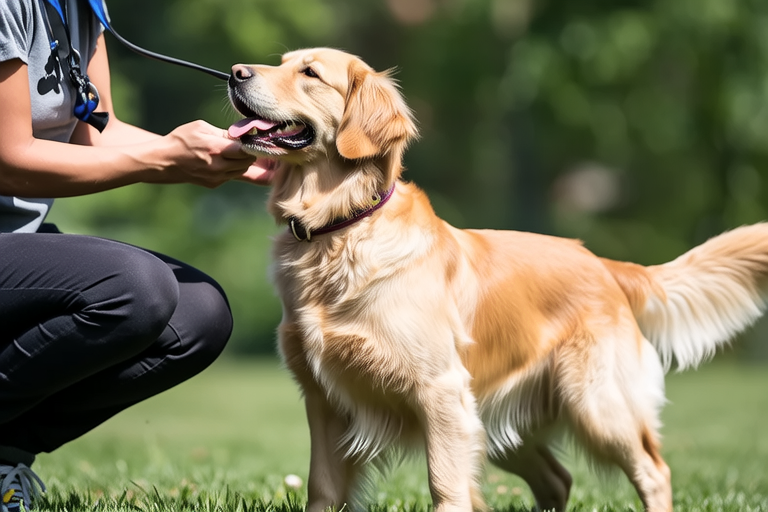
Training Tips for Raising an Obedient Golden Retriever
Golden Retrievers are known for their friendly, intelligent, and loyal nature, making them one of the most popular breeds among pet owners. However, raising an obedient Golden Retriever requires more than just love and care; it involves consistent training, positive reinforcement, and understanding their unique behaviors. This article will guide you through effective training methods, essential commands, the importance of consistency, positive reinforcement techniques, understanding golden retriever behavior, socialization tips, and advice on maintaining discipline while fostering a strong bond.
Effective Training Methods
The first step in training your Golden Retriever is choosing the right training methods. Positive reinforcement is highly recommended as it encourages good behavior by rewarding your dog when they perform well. Avoid punishment-based techniques, which can lead to fear or aggression.
- Clicker Training: Clicker training uses a small device that makes a clicking sound to mark the exact moment your dog performs a desired action. Pair this with treats or praise to reinforce the behavior. For example, if you’re teaching your dog to sit, click the clicker as soon as they sit, then give them a treat.
- Shaping: Shaping involves reinforcing successive approximations of a desired behavior. Start with small steps and gradually build up to the full behavior. For instance, when teaching your dog to roll over, start by rewarding them for lying down, then for rolling onto their side, and finally for completing the entire roll.
- Lure-Reward Training: Use a treat as a lure to guide your dog into performing the desired action. Once they’ve mastered the behavior, phase out the lure and use hand signals or verbal cues instead. For example, hold a treat near your dog’s nose and move it upwards, causing them to look up and sit. As soon as they sit, reward them with the treat.
Essential Commands
Teaching basic commands is crucial for your Golden Retriever’s safety and well-being. Here are some essential commands every owner should teach:
- Sit: Hold a treat above your dog’s head and say “sit.” As they follow the treat with their eyes and head, their bottom will naturally lower to the ground. Reward them immediately when they sit.
- Stay: Start with short durations and gradually increase the time. Say “stay” and take a few steps back. If your dog remains in place, return and reward them. If they move, calmly bring them back to the starting position and try again.
- Down: Encourage your dog to lie down by holding a treat in your closed fist near their nose. Slowly lower your hand towards the floor, guiding them into a lying position. Once they’re down, reward them.
- Heel: Teach your dog to walk beside you without pulling. Use a leash and a treat to guide them into position. Say “heel” and walk forward, rewarding them when they stay close to your side.
- Leave It: Place a treat in your closed hand and let your dog smell it. When they stop trying to get the treat and back off, say “leave it” and open your hand. Reward them with another treat from your other hand. Practice this command with different objects to generalize the behavior.
Consistency in Training
Consistency is key to successful training. Ensure all family members use the same commands and rewards to avoid confusing your dog. Set a regular training schedule, such as daily sessions lasting 10-15 minutes. Incorporate training into everyday activities like mealtime, walks, and playtime.
For example, during mealtime, have your dog sit before feeding them. During walks, practice heel and stay commands at various points along the route. During playtime, use toys as rewards for obedience. Consistency helps your Golden Retriever understand what is expected of them and reinforces their learning.
Positive Reinforcement Techniques
Positive reinforcement is the foundation of effective training. Reward your dog with treats, praise, or play whenever they exhibit the desired behavior. Timing is crucial; reward immediately after the behavior to ensure your dog associates the reward with their action.
- Treats: High-value treats work best for training. Choose small, soft treats that your dog can easily consume. Treats should be used sparingly to avoid weight gain.
- Praise: Verbal praise, such as “good boy” or “well done,” can be equally effective as treats. Combine praise with physical affection, like petting or rubbing your dog’s belly.
- Play: Some dogs prefer play over treats or praise. Use their favorite toy as a reward for good behavior. For example, if your dog fetches a ball and brings it back, throw the ball again as a reward.
Understanding Golden Retriever Behavior
To effectively train your Golden Retriever, it’s important to understand their natural behaviors. Golden Retrievers are social animals that thrive on human interaction. They enjoy being part of the family and often seek attention. Understanding these behaviors can help you tailor your training approach.
Golden Retrievers are also known for their intelligence and problem-solving abilities. They can become bored if not mentally stimulated. Incorporate puzzle toys and interactive games into your training routine to keep your dog engaged and prevent destructive behaviors.
For example, if your dog is chewing on furniture, provide them with appropriate chew toys and engage them in a game of fetch or hide-and-seek. Redirecting their energy and providing mental stimulation can prevent unwanted behaviors and strengthen your bond.
Socialization Tips
Socializing your Golden Retriever is essential for their emotional and behavioral development. Expose your puppy to various environments, people, and other animals to help them become well-adjusted and confident.
- Expose to Different Environments: Take your puppy to parks, beaches, and other public places. Introduce them to different surfaces, sounds, and smells. For example, take them to a busy street to get used to car noises or to a playground to experience different textures.
- Meet New People: Encourage friends and family to visit and interact with your puppy. Have them offer treats and gentle petting to create positive associations. For instance, ask visitors to offer a treat and a pat on the head to your puppy.
- Interact with Other Animals: Arrange supervised playdates with other dogs. This helps your puppy learn appropriate social skills and body language. Make sure the other dogs are vaccinated and friendly to ensure a safe and enjoyable experience.
Maintaining Discipline While Fostering a Strong Bond
While it’s important to maintain discipline, it’s equally vital to foster a strong bond with your Golden Retriever. Discipline should be firm but fair, and always accompanied by love and affection.
- Set Clear Boundaries: Establish rules and boundaries early on. For example, designate specific areas for your dog to eat and sleep. Be consistent in enforcing these rules to avoid confusion.
- Use Time-Outs: If your dog misbehaves, calmly remove them from the situation and place them in a designated timeout area. Give them a few minutes to calm down, then reintroduce them to the environment. For example, if your dog jumps on the couch despite being told not to, gently take them off the couch and place them in their crate for a short timeout.
- Be Patient: Training takes time and patience. Celebrate small victories and remain patient during setbacks. For example, if your dog is struggling to learn a new command, break it down into smaller steps and celebrate each progress.
Conclusion
Raising an obedient Golden Retriever requires dedication, patience, and a deep understanding of their unique behaviors. By incorporating effective training methods, essential commands, consistency, positive reinforcement, understanding golden retriever behavior, socialization tips, and maintaining discipline while fostering a strong bond, you can raise a well-behaved and happy companion. Remember, the goal of training is not just to teach commands but to build a strong, loving relationship with your Golden Retriever.
