Tiny but Mighty: How to Care for Your Dutch Dwarf Rabbit at Home
Welcome to the world of Dutch Dwarf Rabbits! These small, charming creatures are not just pets; they’re companions that can bring joy and comfort into your home. Known for their distinctive white blaze and compact size, Dutch Dwarfs are among the most popular breeds of pet rabbits. Their gentle demeanor and affectionate nature make them ideal for both first-time and experienced rabbit owners. In this guide, we’ll explore how to provide the best care for these tiny but mighty animals, ensuring they thrive in their new home.
Introduction: The Unique Characteristics of Dutch Dwarf Rabbits
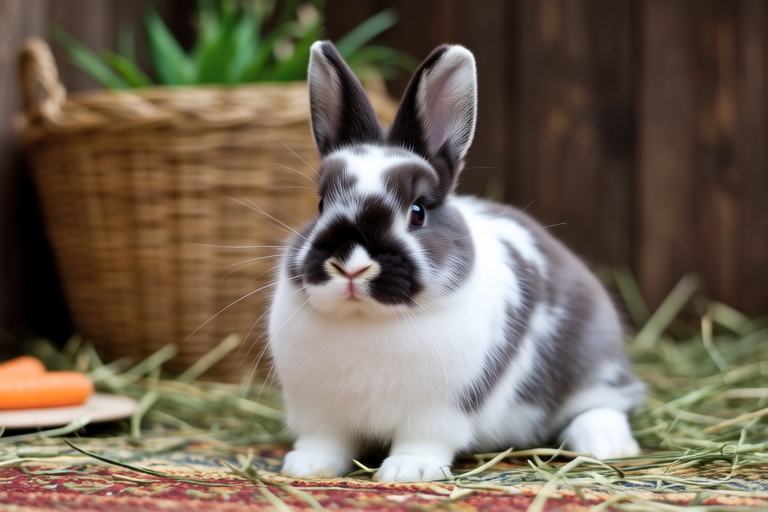
Dutch Dwarf Rabbits are a delightful mix of charm and character. Originating from the Netherlands, they were bred to be smaller versions of the standard Dutch Rabbit. Their most recognizable feature is the white blaze that runs down the center of their face, framed by contrasting colors like black, blue, chocolate, or red. Despite their small size—typically weighing between 2.3 and 2.7 pounds—they are robust and full of personality. Dutch Dwarfs are known for their playful yet calm nature, making them excellent pets for families and individuals alike.
Housing Requirements
Creating a safe and comfortable environment for your Dutch Dwarf Rabbit is crucial. A spacious cage or hutch is essential, providing enough room for movement and play. Ideally, the living space should measure at least 4 feet by 2 feet, allowing the rabbit to stretch out fully. The cage should be equipped with a solid floor, as wire flooring can cause discomfort or injury. Additionally, ensure there’s ample ventilation and protection from drafts. Inside the cage, include soft bedding such as hay or paper-based products, and place a sturdy litter box filled with absorbent litter. This will help maintain hygiene and reduce odors.
A dedicated area within your home where the rabbit can explore safely is also important. Use baby gates or similar barriers to create a confined space free from hazards. Ensure all electrical cords are hidden, and remove any small objects that could be swallowed. Providing tunnels, cardboard boxes, and toys will stimulate their natural curiosity and prevent boredom.
Suitable Diet
Feeding your Dutch Dwarf Rabbit correctly is vital for its overall health. The primary component of their diet should be unlimited access to high-quality hay, which aids digestion and promotes dental health. Pellets formulated specifically for dwarf rabbits should be provided in measured quantities, typically about 1/4 cup per day for an adult. Fresh vegetables and fruits can be offered in moderation, with leafy greens like romaine lettuce, spinach, and parsley being particularly beneficial. Avoid feeding excessive amounts of starchy vegetables like carrots or fruits, as these can lead to weight gain and digestive issues.
Always provide fresh water, either through a sipper bottle or a shallow dish. Clean and refill the water source daily to ensure it remains clean and appealing to your rabbit. Introducing new foods gradually helps prevent digestive upset, so monitor your rabbit closely during dietary changes.
Grooming Needs
Dutch Dwarf Rabbits have short, dense fur that requires regular grooming to keep it clean and tangle-free. Brush your rabbit weekly with a soft-bristled brush to remove loose hair and prevent matting. During shedding seasons, more frequent brushing may be necessary. Pay special attention to areas around the ears and under the tail, where dirt can accumulate.
Bathing is generally unnecessary unless your rabbit becomes excessively dirty. If bathing is required, use a mild, unscented shampoo and rinse thoroughly to avoid skin irritation. After grooming, check for signs of parasites, such as fleas or mites, and address any issues promptly with appropriate treatments recommended by your veterinarian.
Exercise Essentials
Regular exercise is crucial for maintaining your Dutch Dwarf Rabbit’s physical and mental well-being. Allow your rabbit supervised time outside its cage each day, providing opportunities for exploration and play. Exercise pens or large, enclosed spaces are ideal for this purpose. Rotate toys and activities to keep things interesting and mentally stimulating. Consider introducing tunnels, chew toys, and balls designed for rabbits. Encourage gentle play to strengthen the bond between you and your pet.
Supervised outdoor time can be enjoyable but requires careful supervision. Choose a secure, predator-proof area away from direct sunlight and extreme temperatures. Always supervise closely and ensure there are no toxic plants or chemicals present.
Common Health Issues
Like all pets, Dutch Dwarf Rabbits are susceptible to certain health issues. Regular veterinary check-ups are essential to catch any problems early. Some common concerns include:
- Dental Problems: Overgrown teeth can cause pain and difficulty eating. Regular dental checks and a proper diet rich in hay help prevent this.
- Respiratory Infections: Signs include sneezing, runny nose, and lethargy. Prompt treatment with antibiotics prescribed by a vet is necessary.
- Gastrointestinal Stasis: A condition where the digestive system slows down or stops. Symptoms include reduced appetite, bloating, and lethargy. Immediate intervention is critical, involving fluid therapy and dietary adjustments.
- Ear Mites: Can cause itching, scratching, and head shaking. Treatment involves medicated ear drops and environmental cleaning.
Being proactive about health maintenance includes observing your rabbit daily for any unusual behaviors or symptoms. Early detection and treatment can significantly improve outcomes.
Tips for Bonding and Training
Bonding with your Dutch Dwarf Rabbit takes time and patience. Start by spending quiet time together in a neutral space, allowing your rabbit to approach you at its own pace. Offer treats and gentle praise to build trust. Gradually introduce handling, starting with petting and progressing to lifting and holding your rabbit when it feels comfortable.
Training can involve simple commands like coming when called or using a litter box. Positive reinforcement techniques, such as offering treats or verbal praise, work well. Consistency is key; practice regularly and reward desired behaviors. Avoid punishment, as it can damage the trust between you and your pet.
Advice on Sourcing and Adopting a Healthy Rabbit
When considering adding a Dutch Dwarf Rabbit to your family, take the time to find a reputable breeder or adopt from a shelter. Reputable breeders prioritize the health and well-being of their animals, providing detailed information about lineage and care. Shelters offer wonderful opportunities to give a loving home to a rescued rabbit. Regardless of the source, ensure the rabbit is up-to-date on vaccinations and has been checked for common health issues.
Before bringing your new rabbit home, prepare its living space and gather necessary supplies. Familiarize yourself with local laws regarding rabbit ownership and any specific requirements for your area. Welcoming your new friend into your home is an exciting step, and proper preparation ensures a smooth transition.
In conclusion, caring for a Dutch Dwarf Rabbit is a rewarding experience. By understanding their unique needs and providing proper care, you can ensure your little companion lives a happy and healthy life. Whether you’re a seasoned rabbit owner or new to the world of pet care, these tiny but mighty creatures will bring endless joy and companionship to your home.
