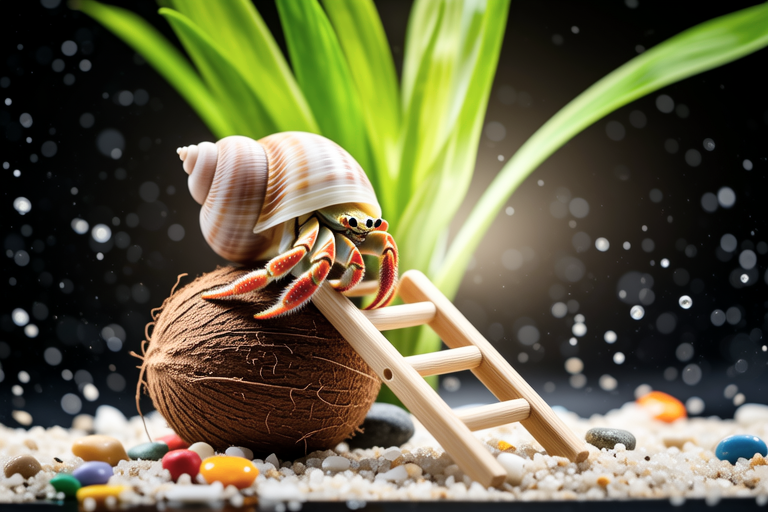
Creating a Playful Environment for Your Hermit Crab
Welcome to your comprehensive guide on creating a playful environment for your hermit crab. This guide will cover everything you need to know about setting up the perfect habitat, selecting the right toys and accessories, ensuring safety, maintaining hygiene, and enhancing the crab’s playfulness. Let’s dive into the details!
Setting Up the Right Habitat
The first step in creating a playful environment for your hermit crab is to set up the right habitat. The habitat should mimic the natural environment of hermit crabs as closely as possible, providing them with the necessary space, temperature, humidity, and substrate.
Choosing the Right Enclosure
Selecting the right enclosure is crucial for your hermit crab’s well-being. The enclosure should be large enough to allow the crab to move around freely and explore. A general rule of thumb is to provide at least 10 gallons of space per hermit crab. For a single crab, a 10-gallon tank is sufficient, but for multiple crabs, consider a larger tank.
Make sure the enclosure has a secure lid to prevent the crabs from escaping. Hermit crabs are skilled climbers, so a tight-fitting lid is essential. Additionally, ensure that the lid allows for proper ventilation.
Temperature and Humidity Control
Hermit crabs thrive in a tropical environment, so maintaining the correct temperature and humidity levels is vital. The ideal temperature range for hermit crabs is between 75°F and 85°F (24°C to 29°C). Use a digital thermometer to monitor the temperature inside the enclosure.
To maintain humidity levels between 70% and 80%, you can use a hygrometer to measure the humidity. If the humidity drops below this range, you can increase it by misting the enclosure or adding a water dish. Conversely, if the humidity is too high, you may need to improve air circulation or reduce the amount of water.
Substrate
The substrate is the material that lines the bottom of the enclosure. It provides a comfortable surface for your hermit crab to walk on and burrow in. Suitable substrates include coconut fiber, crushed coral, and play sand. Avoid using calcium sand, as it can be harmful if ingested.
When setting up the substrate, create a deep layer of at least 3 inches. This will allow your hermit crab to dig and burrow comfortably. Ensure that the substrate is moist but not wet. You can achieve this by misting the substrate daily or using a humidifier.
Choosing Appropriate Toys and Accessories
Providing your hermit crab with toys and accessories can enhance their playfulness and stimulate their natural behaviors. Here are some ideas for toys and accessories:
Toys
Hermit crabs enjoy exploring and interacting with objects. Consider adding small, non-toxic toys to their enclosure. Some examples include:
- Tunnels and Bridges: These provide opportunities for the crab to crawl through and explore different areas of the enclosure.
- Shells: Hermit crabs often change shells, so providing a variety of sizes and shapes can encourage this behavior.
- Plastic Plants: These add visual interest and provide hiding spots for your hermit crab.
- Puzzles: Simple puzzles or maze-like structures can challenge your crab’s problem-solving skills.
Accessories
In addition to toys, there are several accessories you can include in your hermit crab’s enclosure:
- Hiding Spots: Provide multiple hiding spots such as caves, tunnels, or cork bark pieces. These help your hermit crab feel secure and give them places to retreat when they need privacy.
- Bowls: Include shallow water dishes for drinking and soaking. Make sure the bowls are shallow enough for the crab to easily enter and exit.
- Food Dishes: Use shallow, heavy dishes to prevent tipping. Place these dishes in different areas of the enclosure to encourage exploration.
- Decorative Items: Add decorative items like driftwood, seashells, or aquarium-safe rocks to make the enclosure more visually appealing and stimulating.
Ensuring Safety
Safety is paramount when creating a playful environment for your hermit crab. Follow these guidelines to ensure your crab remains safe and healthy:
Avoid Toxic Materials
Always choose non-toxic materials for your hermit crab’s enclosure and accessories. Avoid using anything that could be harmful if ingested or come into contact with the crab’s sensitive exoskeleton. This includes certain plastics, paints, and cleaning agents.
Check for Sharp Edges
Ensure that all items in the enclosure have smooth edges. Sharp or rough surfaces can cause injuries to your hermit crab’s delicate appendages.
Regular Inspections
Perform regular inspections of the enclosure to check for any potential hazards. Look for loose or damaged items that could harm your crab. Replace any worn or broken toys or accessories promptly.
Maintaining Hygiene
Keeping your hermit crab’s enclosure clean and hygienic is essential for their health and well-being. Follow these steps to maintain cleanliness:
Spot Cleaning
Perform spot cleaning daily to remove any uneaten food, waste, or debris. Use a soft brush or siphon to gently clean the substrate and remove any visible dirt or waste.
Deep Cleaning
Every two weeks, perform a deep cleaning of the enclosure. Remove all toys, accessories, and substrate. Clean the enclosure thoroughly with warm water and a mild, pet-safe cleaner. Rinse everything thoroughly and allow it to dry completely before replacing the substrate and accessories.
Water Dish Maintenance
Change the water in the water dish daily to prevent bacterial growth. Scrub the dish with a soft brush and rinse it thoroughly each time you refill it.
Enhancing the Crab’s Playfulness
Creating a playful environment not only keeps your hermit crab entertained but also promotes their overall well-being. Here are some additional tips to enhance your crab’s playfulness:
Rotate Toys and Accessories
Rotate the toys and accessories in the enclosure periodically. This keeps the environment fresh and exciting for your hermit crab. Introducing new items can stimulate their curiosity and encourage exploration.
Interactive Play
Spend time interacting with your hermit crab. Gently handle them, offer them treats, and engage in gentle play. This bonding time can strengthen your relationship and make your hermit crab more comfortable around you.
Environmental Enrichment
Consider adding environmental enrichment elements to the enclosure. This could include introducing new smells, sounds, or textures. For example, you could place a small amount of fresh herbs or spices in the enclosure for the crab to explore. Be cautious with new items and monitor your crab’s reaction.
Care Tips
In addition to creating a playful environment, here are some general care tips to ensure your hermit crab stays healthy and happy:
Diet
Hermit crabs are omnivores and require a balanced diet. Offer a variety of foods, including commercial hermit crab food, fruits, vegetables, and occasional protein sources like boiled egg or fish. Avoid feeding them processed human foods or foods high in sugar.
Shell Changes
Provide a variety of shells for your hermit crab to change. Ensure that the shells are clean and free of chemicals. Place the shells in a shallow dish filled with saltwater to make them easier for the crab to access.
Handling
Handle your hermit crab gently and infrequently. Hermit crabs are delicate creatures, and excessive handling can stress them. When handling, support their body and avoid squeezing or pinching.
Conclusion
Creating a playful environment for your hermit crab involves setting up the right habitat, choosing appropriate toys and accessories, ensuring safety, maintaining hygiene, and enhancing their playfulness. By following the tips and steps outlined in this guide, you can provide your hermit crab with a stimulating and enjoyable home. Remember to regularly monitor their health and adjust the environment as needed to keep them happy and thriving.
