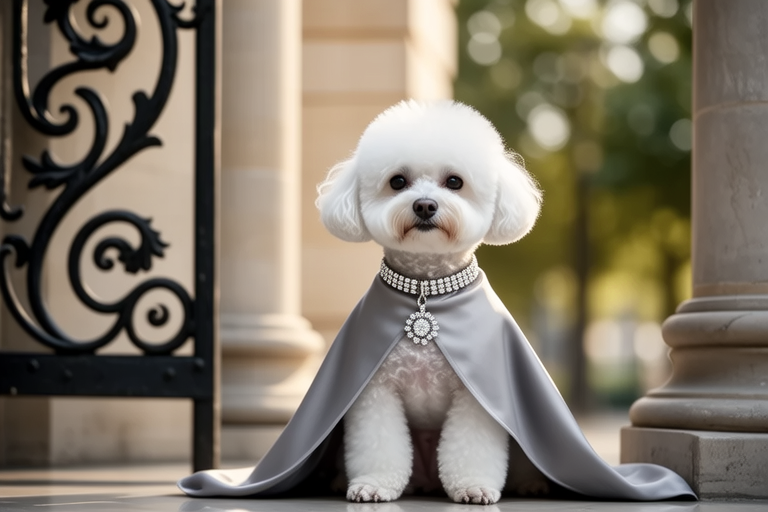
The Poodle: From Waterfowl Hunters to Icons of Parisian Sophistication
The poodle is a breed that has captivated human hearts for centuries, evolving from functional waterfowl hunters to elegant symbols of sophistication. Originating in Germany, the poodle was initially known as the Pudel, a term derived from the Low German word for “puddle.” However, it is in France where the poodle truly found its place in history, becoming an iconic symbol of elegance and refinement.
Origins and Early Development
The poodle’s origins trace back to the 15th century when it was used by duck hunters in Germany. The breed’s intelligence, agility, and swimming abilities made it ideal for retrieving waterfowl. The poodle’s signature curly coat, which is both water-resistant and buoyant, allowed it to stay afloat in cold waters while retrieving game. This practical function led to the development of the poodle’s distinctive clip, which left certain areas of the body unclipped to protect vital organs and joints from the cold water.
Transition to Parisian Sophistication
The poodle’s transition from a functional working dog to a symbol of elegance began in the 18th century. As the breed became more popular in France, it started to appear in aristocratic circles. The French nobility, particularly during the reign of Louis XVI, took a liking to the poodle’s intelligence and trainability, often keeping them as pampered pets. The breed’s association with the upper classes solidified its reputation as a refined and sophisticated companion. This transformation was further enhanced by the breed’s appearance in Parisian salons, where it became a favorite subject of artists and writers.
Key Traits of the Poodle
Intelligence and Trainability
One of the most striking features of the poodle is its intelligence. Ranked among the top three most intelligent breeds by Stanley Coren, the poodle is quick to learn and eager to please. This makes it an excellent candidate for obedience training and other activities that require mental stimulation. Poodles are also highly trainable, capable of learning complex commands and tricks. Their intelligence and trainability have made them popular participants in dog sports such as agility, obedience, and flyball.
Hypoallergenic Qualities
Another reason for the poodle’s enduring popularity is its hypoallergenic nature. Unlike many other breeds, poodles produce less dander and shed minimally, making them a suitable choice for people with allergies. While no dog is completely hypoallergenic, the poodle’s low-shedding coat can significantly reduce allergen levels in the home. This trait has made the poodle a favored companion for allergy sufferers, contributing to its widespread appeal.
Notable Appearances in Art, Literature, and Popular Culture
The poodle’s enduring appeal is reflected in its frequent appearances in art, literature, and popular culture. In the 19th century, poodles were often depicted in paintings and sculptures, symbolizing wealth and status. One famous example is Edgar Degas’ sculpture “Little Dancer Aged Fourteen,” which features a young ballerina holding a poodle on a leash. This work highlights the breed’s association with grace and elegance.
In literature, the poodle has been featured in numerous works, including Mark Twain’s “The Adventures of Tom Sawyer” and Agatha Christie’s “Murder on the Orient Express.” These appearances demonstrate the breed’s versatility and adaptability, allowing it to thrive in various settings and situations. In popular culture, the poodle has been immortalized in films, television shows, and advertisements. For instance, the character of Mrs. Poodlepants in the animated series “Futurama” showcases the breed’s enduring charm and humor.
Different Sizes of Poodles
There are three recognized sizes of poodles: standard, miniature, and toy. Each size has its own unique characteristics, making it suitable for different living environments and lifestyles.
Standard Poodles
The standard poodle is the largest of the three sizes, standing at least 15 inches tall at the shoulder. Known for their intelligence and athleticism, standard poodles are often used as guide dogs, search and rescue dogs, and therapy dogs. They are loyal and affectionate companions, thriving in active households. Standard poodles require regular grooming and exercise to maintain their health and well-being.
Miniature Poodles
Miniature poodles stand between 10 and 15 inches tall at the shoulder. They share many of the same characteristics as standard poodles but are better suited for smaller living spaces. Miniature poodles are energetic and playful, making them excellent companions for families with children. Like their larger counterparts, they require regular grooming and exercise.
Toy Poodles
The smallest of the three sizes, toy poodles stand under 10 inches tall at the shoulder. Toy poodles are known for their small size and big personalities. They are often kept as lapdogs and make excellent companions for older adults or individuals living in apartments. Toy poodles are highly adaptable and can thrive in a variety of environments. They require regular grooming and attention to prevent boredom and behavioral issues.
Tips for Potential Owners
If you’re considering adding a poodle to your family, there are several factors to keep in mind. First, poodles require regular grooming to maintain their coat’s health and appearance. Professional grooming every six to eight weeks is recommended, although some owners choose to groom their poodles at home. Regular brushing and bathing are also important to prevent matting and skin irritations.
Second, poodles are highly intelligent and require mental stimulation to stay happy and healthy. Providing opportunities for training, play, and socialization can help prevent boredom and behavioral issues. Interactive toys, puzzle feeders, and obedience training are all effective ways to keep your poodle mentally engaged.
Finally, poodles are generally healthy dogs, but like all breeds, they are prone to certain genetic conditions. Hip dysplasia, epilepsy, and progressive retinal atrophy are among the most common health concerns for poodles. Regular veterinary check-ups and a balanced diet can help ensure your poodle lives a long and healthy life.
Conclusion
The poodle’s journey from waterfowl hunters to icons of Parisian sophistication is a testament to its intelligence, adaptability, and enduring appeal. Whether as working dogs, pampered pets, or beloved companions, poodles have captured the hearts of people around the world. Their hypoallergenic qualities, trainability, and intelligence make them popular choices for families and individuals alike. With proper care and attention, a poodle can provide years of love, loyalty, and companionship.
