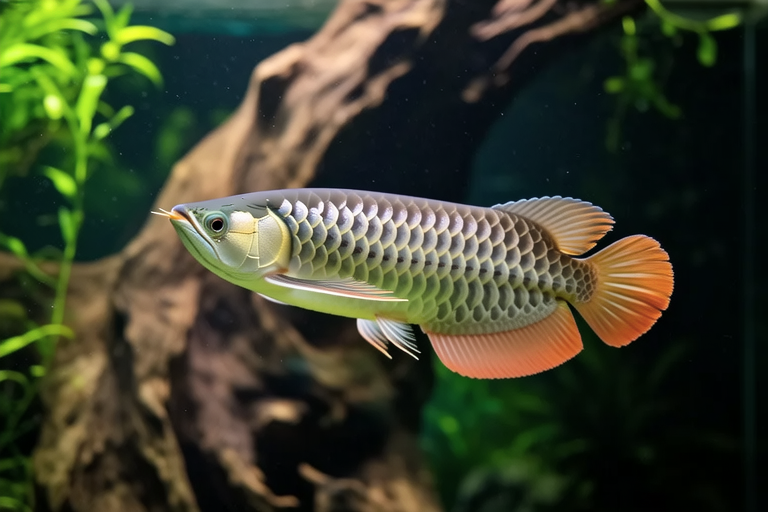
A Complete Guide to Owning an Exotic and Majestic Arowana
Welcome to the world of the exotic and majestic arowana! Known for its stunning appearance and unique behaviors, this fish is a favorite among aquarium enthusiasts. This guide will take you through everything you need to know about owning an arowana, from understanding its origins and natural habitat to setting up the perfect tank and providing proper care.
Origins and Natural Habitat
The arowana, often referred to as the dragonfish due to its prehistoric look, originates from South America, Africa, and parts of Asia. It is found in freshwater rivers, swamps, and floodplains. These habitats provide the arowana with the necessary conditions for survival, including soft, slightly acidic water and abundant vegetation. Understanding these origins helps replicate a similar environment in your aquarium, ensuring your arowana thrives.
Ideal Tank Setup
Tank Size
Arowanas are large, active fish that require ample space. For a single adult arowana, a tank of at least 240 gallons (907 liters) is recommended. The tank should be long rather than tall, allowing the fish to swim horizontally. Juveniles can be kept in smaller tanks, but remember they grow quickly and will need a larger home as they mature.
Water Conditions
Temperature: Maintain the water temperature between 78°F to 84°F (25°C to 29°C). pH Levels: Keep the pH between 6.0 and 7.5. Water Hardness: Aim for soft to moderately hard water. Regular water changes are crucial to maintain these conditions, which are essential for the arowana’s health.
Filtration Systems
High-quality filtration is vital. Consider a combination of mechanical, biological, and chemical filtration to ensure clean, well-oxygenated water. A powerful external filter and an air pump can help achieve the necessary water movement and oxygenation. Additionally, a UV sterilizer can help control algae growth and improve water clarity.
Dietary Needs and Feeding Habits
Arowanas are carnivorous and primarily feed on insects, crustaceans, and small fish in the wild. In captivity, they should be provided with a varied diet that includes live or frozen foods like shrimp, worms, and feeder fish. Supplementing their diet with high-quality pellets can also be beneficial. Feed them two to three times daily, ensuring they eat within a few minutes to avoid overfeeding.
Care Tips
Handling
Arowanas are sensitive to stress and should be handled as little as possible. When necessary, use a net designed for large fish to minimize injury. Always support the fish’s body when moving it to prevent damage to its delicate scales and fins.
Tank Maintenance
Regular tank maintenance is crucial. Perform weekly partial water changes, typically 10-20% of the total volume. Clean the filter media regularly and check for any signs of wear or blockage. Monitor water parameters closely and adjust as needed to maintain optimal conditions.
Common Health Issues
Common health issues include bacterial infections, fungal infections, and parasitic infestations. Early detection and treatment are key. Look out for signs such as lethargy, loss of appetite, discoloration, and abnormal swimming behavior. Consult with a veterinarian specializing in aquatic animals for diagnosis and treatment.
Choosing Between Different Species
Several species of arowana are suitable for home aquariums. The Asian arowana (Scleropages formosus) is known for its vibrant colors and regal appearance. The African arowana (Heterotis niloticus) is less colorful but equally fascinating. The silver arowana (Osteoglossum bicirrhosum) is more commonly available and relatively easier to care for. Choose based on your experience level, budget, and personal preference.
Behavioral Traits
Arowanas are territorial and may display aggressive behavior towards other fish. They are also known for their jumping ability, so a secure lid is essential. Despite their aggression, arowanas can be trained to recognize their keepers and may even become tame over time. They are intelligent and can exhibit interesting behaviors, making them a rewarding addition to your aquarium.
Responsibilities and Commitment
Owning an arowana comes with significant responsibilities. You must commit to providing a suitable environment, regular maintenance, and a nutritious diet. Be prepared for the financial investment, including the cost of the tank, equipment, and food. Consider the lifespan of the arowana, which can exceed 20 years, ensuring you are ready for a long-term commitment.
In conclusion, the arowana is a magnificent and captivating fish that demands respect and dedication. With the right setup and care, you can enjoy the beauty and uniqueness of this ancient creature in your home aquarium. Embrace the challenge and reward of owning one of nature’s most extraordinary fish.
