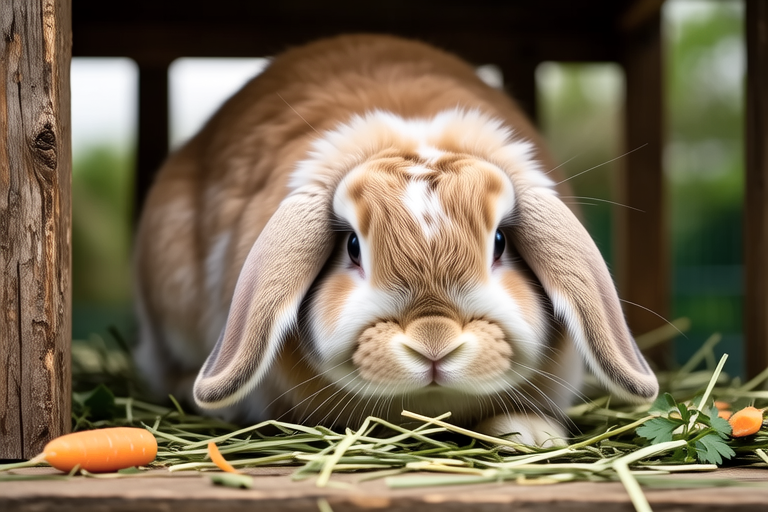
Raising Dutch Dwarf Rabbits: Tips from Expert Bunny Owners
Dutch Dwarf rabbits are charming, small, and sociable pets that have become increasingly popular among rabbit enthusiasts. Their compact size makes them perfect for apartment living, while their gentle nature ensures they are suitable companions for families with children. This article will provide you with essential advice on housing, diet, grooming, healthcare, and behavior for Dutch Dwarf rabbits, offering valuable guidance from expert bunny owners.
Housing Your Dutch Dwarf Rabbit
When it comes to housing your Dutch Dwarf rabbit, it’s important to provide a safe, comfortable environment that meets their needs. A spacious hutch or cage is necessary to ensure your rabbit has enough room to move around freely. The cage should be at least 3 feet wide, 2 feet deep, and 2 feet high to allow for ample movement and stretching.
Experts recommend using wire-bottomed cages for rabbits as they allow urine and droppings to fall through, keeping the living area clean and reducing the risk of skin problems caused by damp bedding. However, some rabbits may find wire flooring uncomfortable, so providing a solid surface for resting areas is advisable.
Outdoor hutches are a great option for Dutch Dwarfs, but they must be protected from extreme weather conditions. Ensure the hutch is placed in a sheltered spot, away from direct sunlight and strong winds. Additionally, the hutch should be secured to prevent predators from accessing it.
For indoor living, a large exercise pen can be used to give your rabbit more space to explore. Make sure to bunny-proof the area by covering electrical cords and removing any potentially harmful plants or objects. Providing ramps, tunnels, and other enriching toys will help stimulate your rabbit’s natural instincts and keep them mentally and physically active.
Dietary Needs of Dutch Dwarf Rabbits
A balanced diet is crucial for maintaining your Dutch Dwarf rabbit’s health and well-being. The foundation of their diet should consist of high-quality hay, which should make up about 80% of their daily intake. Timothy hay is often recommended for adult rabbits, while alfalfa hay can be given in smaller quantities to young, growing rabbits.
In addition to hay, rabbits require a small amount of pellets each day. Look for a pellet mix that is specifically formulated for rabbits and contains no added grains or seeds. Fresh vegetables should also be included in your rabbit’s diet, providing essential vitamins and minerals. Some good options include dark leafy greens like kale, spinach, and romaine lettuce, as well as carrots, bell peppers, and broccoli.
Water is vital for your rabbit’s hydration, so always provide fresh water in a clean bowl or water bottle. It’s important to monitor your rabbit’s water intake, as dehydration can lead to serious health issues.
While treats are fun for both you and your rabbit, they should be given sparingly. Too many sugary treats can lead to obesity and dental problems. Fruits like apples, bananas, and berries can be offered as occasional treats, but limit them to one tablespoon per two pounds of body weight per day.
Grooming and Hygiene
Grooming is an essential part of caring for your Dutch Dwarf rabbit. Regular brushing helps remove loose fur and prevents matting, especially during shedding seasons. Use a soft-bristled brush or a slicker brush to gently comb through your rabbit’s coat. Pay special attention to areas where mats may form, such as behind the ears and under the tail.
Bathing should be kept to a minimum, as rabbits are generally clean animals and over-bathing can strip their coat of natural oils. If your rabbit does need a bath, use a mild, unscented shampoo and rinse thoroughly to avoid skin irritation.
Tooth care is another important aspect of grooming. Rabbits’ teeth grow continuously, so providing them with plenty of hay and chew toys helps wear down their teeth naturally. Check your rabbit’s teeth regularly for signs of overgrowth, which can cause discomfort and difficulty eating. If you notice any issues, consult your veterinarian for proper treatment.
Healthcare for Dutch Dwarf Rabbits
Regular veterinary check-ups are essential for ensuring your Dutch Dwarf rabbit stays healthy. Experts recommend scheduling annual visits with a rabbit-savvy vet, who can provide vaccinations and screen for common health issues.
Vaccinations are not typically required for indoor rabbits, but your vet may recommend them if your rabbit spends time outdoors or is exposed to other animals. Parasite control is also important, particularly for rabbits living in outdoor hutches. Flea and worm treatments can be administered as directed by your veterinarian.
Maintenance of your rabbit’s nails is another key aspect of healthcare. Overgrown nails can cause discomfort and difficulty walking, so trim them regularly with a pair of nail clippers designed for small animals. Be cautious not to cut too close to the quick, as this can cause bleeding and pain. If you’re unsure about trimming your rabbit’s nails, ask your veterinarian for guidance.
Spaying or neutering your rabbit is highly recommended for both males and females. Not only does it prevent unwanted litters, but it also reduces the risk of certain cancers and behavioral issues. Consult your veterinarian to determine the best age for spaying or neutering your rabbit.
Behavior and Training
Dutch Dwarf rabbits are known for their friendly and curious personalities, making them excellent companions. They are social animals and thrive on interaction with their human family members. Spend time handling and playing with your rabbit daily to strengthen your bond and encourage positive behaviors.
Training your rabbit can be a rewarding experience. Positive reinforcement techniques, such as offering treats and praise, work well for teaching your rabbit basic commands and tricks. Be patient and consistent, and remember that rabbits learn at their own pace.
Some common behaviors to watch for include digging, chewing, and scratching. These behaviors are natural for rabbits, but they can sometimes become problematic if not redirected properly. Provide your rabbit with appropriate outlets for these behaviors, such as digging boxes filled with shredded paper or cardboard, and chew toys made from untreated wood or hay.
Expert Insights
We spoke with several expert bunny owners and veterinarians to gather their top tips for raising Dutch Dwarf rabbits. Dr. Sarah Thompson, a veterinarian specializing in exotic animals, emphasized the importance of regular veterinary care. “Annual check-ups are crucial for early detection of potential health issues,” she said. “Preventive care can save your rabbit’s life and ensure they live a long, healthy life.”
Carla Martinez, a seasoned rabbit owner and breeder, shared her experiences with housing. “Make sure your rabbit has plenty of space to stretch and move around,” she advised. “A small cage can lead to boredom and stress, which can negatively impact your rabbit’s health and behavior.”
John Doe, a rabbit behavior specialist, highlighted the significance of socialization. “Dutch Dwarfs are very social animals and enjoy interacting with their human family members,” he explained. “Spend time handling and playing with your rabbit daily to build a strong bond and encourage positive behaviors.”
Conclusion
Raising Dutch Dwarf rabbits can be a rewarding and enjoyable experience when you provide them with proper care and attention. By following the advice outlined in this article, you’ll be well-equipped to meet the needs of your small but delightful companion. Remember to consult with experts and veterinarians as needed to ensure your rabbit lives a happy, healthy life.
