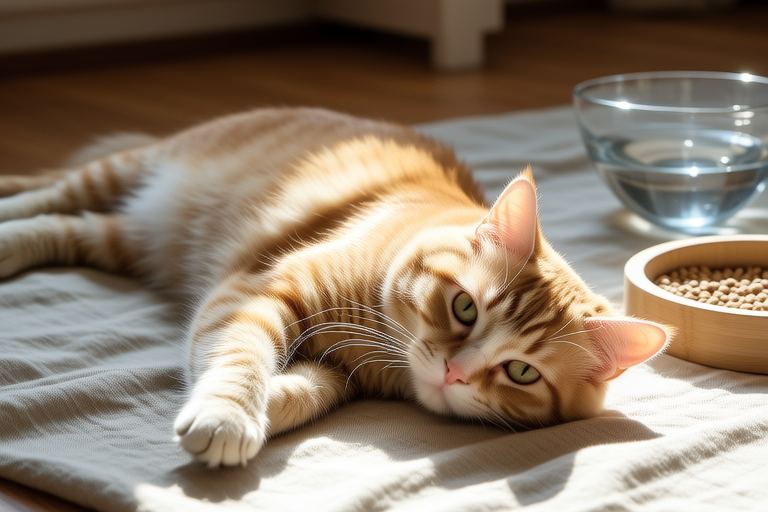
How to Care for Your Orange Cat: Expert Tips for Happy Paws
Welcome to the vibrant world of orange cats! These felines are not only stunningly beautiful but also have unique care requirements that can lead to a long, healthy, and happy life. Whether you’re a first-time cat owner or a seasoned pet parent, this guide will provide you with expert tips on how to care for your orange cat. From nutrition to grooming, health considerations, exercise, and mental stimulation, we’ll cover everything you need to know to keep your orange cat thriving.
Nutrition Tailored for Orange Cats
Feeding your orange cat the right diet is crucial for their overall health and well-being. While all cats require a balanced diet rich in proteins, fats, and essential vitamins and minerals, there are specific dietary needs for orange cats due to their coat color. Dr. Emily Johnson, a veterinarian specializing in feline nutrition, emphasizes the importance of maintaining a diet that supports their unique coat pigmentation.
“Orange cats have a genetic predisposition that affects their coat color,” explains Dr. Johnson. “This means they may require slightly more vitamin A and fatty acids to support their skin and fur health.”
High-quality cat food that includes these nutrients can be beneficial. Look for products that list animal-based proteins as the primary ingredient, such as chicken, fish, or turkey. Additionally, consider incorporating supplements like omega-3 and omega-6 fatty acids, which are known to promote a shiny coat and healthy skin.
Dispelling a common myth, it’s important to note that feeding your orange cat a diet rich in carrots will not enhance their coat color. The carotenoids found in carrots are not absorbed by cats’ bodies in the same way they are by humans. Instead, focus on providing a well-rounded diet that meets all of your cat’s nutritional needs.
Grooming Specifics for Orange Cats
Grooming is an essential part of keeping your orange cat happy and healthy. Their unique coat requires regular maintenance to prevent matting, reduce shedding, and keep their skin and fur in top condition.
Dr. Johnson recommends brushing your orange cat at least once a week, ideally twice if possible. Use a soft-bristled brush or a fine-toothed comb to gently remove loose hair and prevent tangles. This not only helps maintain their coat but also reduces the amount of hair they ingest when grooming themselves, which can lead to hairballs.
When bathing your orange cat, be gentle and use a cat-specific shampoo. Avoid getting water in their ears and eyes, and always dry them thoroughly after the bath. Dr. Johnson advises, “Bathing should be done sparingly, typically no more than once every few months, unless your cat has a specific medical need.” Over-bathing can strip their skin of natural oils, leading to dryness and irritation.
In addition to brushing and bathing, nail trimming is another important grooming task. Regular nail trims help prevent overgrowth, which can cause discomfort and even pain for your cat. If you’re unsure about how to trim your cat’s nails safely, consult with your veterinarian or a professional groomer for guidance.
Health Considerations Unique to Their Coat Color
The distinctive orange coat of these cats comes with its own set of health considerations. One of the most significant concerns is sensitivity to sunlight. Dr. Johnson explains, “The pigment in their coats makes them more susceptible to sunburn, especially on areas with less fur, such as their bellies and ears.”
To protect your orange cat from sun damage, limit their exposure to direct sunlight during peak hours. If they spend time outdoors, consider applying a pet-safe sunscreen specifically formulated for cats. Always consult with your veterinarian before using any product on your cat to ensure its safety and effectiveness.
Another common misconception is that orange cats are more prone to certain diseases. While some studies suggest a higher incidence of polycystic kidney disease (PKD) in orange cats, particularly those with white markings, this does not mean all orange cats will develop the condition. Regular veterinary check-ups and genetic testing can help identify and manage potential health issues early on.
Exercise Needs for Orange Cats
Like all cats, orange cats need regular exercise to stay fit and healthy. However, their playful nature and high energy levels make them particularly enthusiastic about interactive playtime. Dr. Johnson suggests, “Interactive toys that mimic prey, such as feather wands or laser pointers, are great ways to engage your orange cat in physical activity.”
Set aside at least 15 minutes each day for play sessions. Rotate toys frequently to keep your cat interested and engaged. Puzzle feeders are another excellent tool for mental and physical stimulation. They encourage your cat to work for their food, promoting both physical activity and cognitive engagement.
It’s also important to provide your orange cat with opportunities for climbing and exploring. Install cat trees, shelves, or window perches to give them vertical spaces to climb and observe their surroundings. This not only satisfies their natural instincts but also provides mental stimulation and helps prevent boredom.
Tips for Mental Stimulation
Mental stimulation is just as important as physical activity for your orange cat. Keeping their mind active can prevent behavioral problems and contribute to their overall happiness. Dr. Johnson advises, “Cats thrive on routine, but introducing new elements into their environment can help keep them mentally sharp.”
Rotate toys regularly to keep things interesting. Introduce new scents, textures, and sounds to stimulate their senses. Puzzle feeders, as mentioned earlier, are excellent for mental engagement. They challenge your cat to figure out how to access their food, stimulating their problem-solving skills.
Interactive games and training sessions can also provide mental stimulation. Teach your orange cat simple tricks, such as sitting or pawing, using positive reinforcement techniques. Not only does this build a stronger bond between you and your cat, but it also keeps their mind active and engaged.
Social interaction is another key component of mental stimulation. Spend quality time with your cat each day, playing, grooming, and simply enjoying their company. This helps reduce stress and anxiety, contributing to their overall well-being.
Dispelling Common Myths About Caring for Orange Cats
There are several misconceptions surrounding the care of orange cats. Let’s address some of the most common ones:
- Myth: Orange cats are more aggressive. There is no scientific evidence to support the claim that orange cats are inherently more aggressive than other cats. Aggression in cats is influenced by a variety of factors, including genetics, socialization, and environmental factors.
- Myth: All orange cats are male. While it’s true that the majority of orange cats are male, females can also have this coat color. In fact, approximately one-third of orange cats are female.
- Myth: Feeding carrots will improve their coat color. As previously mentioned, the carotenoids in carrots are not absorbed by cats in a way that would enhance their coat color. Focus on a balanced diet that supports overall health rather than trying to change their appearance.
Conclusion
Caring for an orange cat is a rewarding experience filled with joy and companionship. By providing them with proper nutrition, regular grooming, appropriate exercise, and mental stimulation, you can ensure they live a long, healthy, and happy life. Remember to consult with your veterinarian for personalized advice and to address any specific health concerns. With the right care, your orange cat will bring years of love and laughter into your home.
