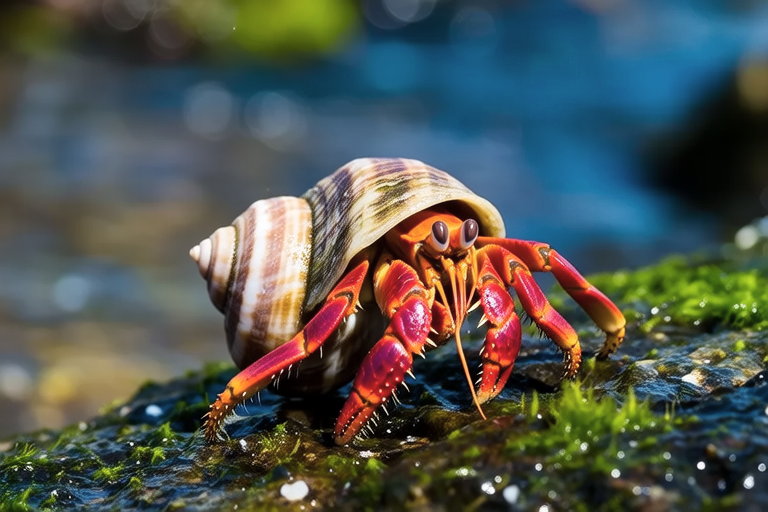
Tiny Titans Unleashed: Fun and Unique Facts About Hermit Crabs
Hermit crabs are fascinating creatures that have captured the hearts of many pet owners and nature enthusiasts alike. These tiny titans, with their quirky personalities and unique adaptations, offer a delightful glimpse into the world of crustaceans. This article delves into the intriguing behaviors, habitats, dietary needs, and social interactions of hermit crabs, providing valuable insights for potential pet owners and curious minds.
The Shell Selector’s Dilemma
One of the most distinctive features of hermit crabs is their reliance on secondhand shells for protection. As they grow, these crustaceans must find new, larger shells to accommodate their expanding bodies. The process of selecting a new home is both a necessity and an art form for hermit crabs. They carefully inspect potential shells by tapping them with their claws and antennae to assess their suitability. Once satisfied, they will vacate their current shell and move into the new one, leaving behind the old shell for another crab in need.
Hermit crabs can be quite competitive when it comes to finding the perfect shell. In crowded environments, they may engage in shell fights, where they try to snatch a preferred shell from another crab. This behavior highlights the importance of having a variety of shells available in their habitat, ensuring each crab can find a suitable home.
Habitat Preferences: A Tropical Paradise
Hermit crabs are predominantly found in tropical and subtropical regions, thriving in coastal areas and mangrove swamps. Their natural habitats provide the ideal conditions for these creatures, offering a mix of moist soil, water, and vegetation. When setting up a habitat for pet hermit crabs, it is essential to mimic these conditions as closely as possible. A well-aerated substrate, such as coconut fiber or sand, should be provided to allow burrowing and moisture retention.
Water is crucial for hermit crabs, both for drinking and soaking. Freshwater and saltwater dishes should be included in their enclosure to ensure they stay hydrated and maintain healthy gills. It is important to change the water regularly to prevent bacterial growth and keep the environment clean.
Dietary Needs: A Balanced Feast
Hermit crabs are omnivorous, meaning they eat both plant and animal matter. In the wild, their diet consists of algae, small pieces of dead fish, and decaying organic material. Pet hermit crabs should be fed a balanced diet that includes commercial hermit crab food, fresh fruits and vegetables, and occasional protein sources like boiled shrimp or fish.
Variety is key to maintaining a healthy hermit crab. Offer a mix of foods to ensure they receive all necessary nutrients. Avoid feeding them processed human foods, as these can be harmful to their digestive systems. Additionally, providing calcium-rich foods, such as cuttlebone or crushed eggshells, helps support their exoskeleton development.
Social Interactions: The Party Crustacean
Hermit crabs are surprisingly social animals, often living in groups in the wild. In captivity, they can form strong bonds with their tank mates. Providing ample space and hiding spots encourages positive interactions and reduces stress. It is important to introduce new hermit crabs gradually to avoid conflicts and ensure a harmonious environment.
Hermit crabs communicate through various means, including chemical signals and vibrations. They can also recognize individual members of their group, forming complex social structures. Watching hermit crabs interact is a delightful experience for pet owners, as they display unique behaviors and personalities.
Reproduction Methods: The Journey of Life
Hermit crabs reproduce through external fertilization. During mating season, males deposit sperm packets near the female’s mouth. The females then carry the fertilized eggs under their abdomens until they hatch. After hatching, the larvae enter the planktonic stage, drifting in the ocean currents for several weeks before settling on the seafloor.
Understanding the reproductive cycle of hermit crabs is crucial for those interested in breeding them. Providing optimal environmental conditions, including temperature and salinity, increases the chances of successful reproduction. However, breeding hermit crabs requires careful planning and consideration of the resources needed to raise the offspring.
Lifespan: A Long Journey
Hermit crabs can live for decades in the right conditions, with some species potentially reaching ages of 30 years or more. Proper care, including a suitable habitat, balanced diet, and regular health checks, contributes to a longer lifespan. Ensuring a stable and enriching environment for your hermit crab can significantly enhance its quality of life and longevity.
Tips for Pet Owners: Setting Up the Perfect Home
If you’re considering hermit crabs as pets, there are several steps to take to ensure their well-being:
- Choose the Right Tank: Provide a spacious tank with enough room for all your hermit crabs to move around comfortably. A general rule of thumb is to allow at least 2 square feet of space per crab.
- Provide Adequate Shelters: Include multiple hiding spots and climbing structures to satisfy their natural tendencies. Hermit crabs enjoy exploring and climbing, so a variety of objects can stimulate their curiosity.
- Maintain Humidity: Keep the humidity level between 70% and 80% to prevent dehydration and ensure healthy molting. Regular misting and the use of a humidifier can help maintain the desired moisture levels.
- Monitor Temperature: Maintain a temperature range of 75°F to 85°F (24°C to 29°C) within the enclosure. Use a thermometer to monitor the temperature and adjust heating elements as needed.
- Avoid Common Misconceptions: Contrary to popular belief, hermit crabs do not require salt water for drinking. Freshwater is sufficient for their hydration needs. Additionally, hermit crabs are not aggressive towards humans and make gentle and interactive pets.
Unique Adaptations: Surviving the Elements
Hermit crabs have evolved several remarkable adaptations that enable them to thrive in their environments. One of the most notable is their ability to breathe both in and out of water. While their gills allow them to extract oxygen from water, they can also absorb oxygen from the air through modified gill chambers. This dual breathing system makes them versatile and adaptable to various aquatic and terrestrial habitats.
Another fascinating adaptation is their ability to regenerate lost limbs. If a hermit crab loses a claw or leg during a fight or accident, it can regrow the appendage over time. This regeneration process underscores the resilience and survival instincts of these creatures.
Conclusion: Embracing the Tiny Titans
Hermit crabs are captivating creatures with a wealth of unique behaviors, adaptations, and social interactions. Whether you’re a seasoned pet owner or a curious nature enthusiast, learning about hermit crabs offers a rewarding journey into the world of crustaceans. By understanding their needs and providing a suitable environment, you can ensure a long and happy life for these tiny titans in your care.
