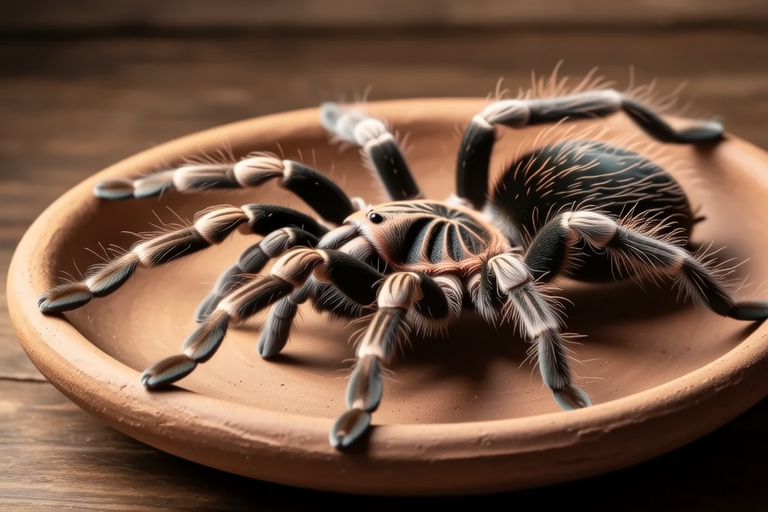
Why Chilean Rose Tarantulas Make Perfect Pets for Beginners (And Why You Should Consider One)
When it comes to choosing an exotic pet, many beginners might feel overwhelmed by the variety of options available. From colorful fish to majestic reptiles, there’s no shortage of captivating creatures to bring into your home. However, one often overlooked option that stands out for its charm, manageable care requirements, and docile nature is the Chilean Rose Tarantula. This article will explore why these fascinating arachnids make perfect pets for beginners and why you should consider bringing one into your life.
The Unique Charm of Chilean Rose Tarantulas
The Chilean Rose Tarantula, scientifically known as Grammostola rosea, is native to the deserts and scrublands of Chile, Argentina, and Peru. These spiders have a vibrant reddish-pink hue, which gives them their name. Their striking appearance, combined with their relatively small size (adults typically grow to around 4-6 inches in leg span), makes them visually appealing. Despite their intimidating appearance, they are generally docile and non-aggressive, making them ideal for those who are new to exotic pets.
Low-Maintenance Lifestyle Compared to Other Exotic Pets
One of the most appealing aspects of owning a Chilean Rose Tarantula is the minimal effort required to maintain their health and well-being. Unlike some other exotic pets that demand extensive care and specialized diets, these tarantulas have straightforward needs. They require a simple, well-ventilated enclosure with a substrate for burrowing, a water dish, and a few hiding spots. The enclosure should be kept at a temperature range between 75-85°F (24-29°C) and a humidity level of approximately 60%. With proper care, a Chilean Rose Tarantula can live for up to 10 years or more, providing long-term companionship.
Setting Up the Ideal Habitat
To ensure your Chilean Rose Tarantula thrives, it’s essential to set up a suitable habitat. Start by selecting an appropriately sized tank, ideally 10 gallons for a single adult. Line the bottom of the tank with a substrate such as coconut fiber or vermiculite, which allows for easy burrowing. Provide a shallow water dish and place a few cork bark or half logs for hiding spots. Ensure the tank has adequate ventilation but avoid drafts that could cause temperature fluctuations. Regularly clean the tank to prevent any buildup of waste or mold, which could harm your spider.
Suitable Diet and Routine Care
Chilean Rose Tarantulas are carnivorous and primarily feed on insects. A varied diet of crickets, mealworms, and dubia roaches is recommended. It’s important to dust the insects with calcium and vitamin supplements before feeding them to your tarantula to ensure they receive all necessary nutrients. Feed your tarantula once every week or two, depending on its age and size. Always remove uneaten prey after 24 hours to prevent potential health issues.
Routine care includes monitoring the temperature and humidity levels within the enclosure. Use a hygrometer to measure humidity and a thermometer to check the temperature. Keep a close eye on your tarantula’s behavior; any changes in activity levels or appetite may indicate health problems. Regular cleaning and maintenance of the tank are crucial to maintaining a healthy environment.
Common Myths About Tarantulas
Many people are hesitant to own a tarantula due to misconceptions about their behavior and safety. One common myth is that tarantulas are highly aggressive and dangerous. In reality, Chilean Rose Tarantulas are quite docile and rarely bite unless provoked. Another misconception is that tarantulas are messy and difficult to clean up after. While they do produce waste, it’s easily managed with regular substrate changes.
Another myth is that tarantulas are solitary and do not interact with humans. While they are not social animals, they can become accustomed to gentle handling over time. By providing a safe and enriching environment, you can develop a bond with your tarantula and enjoy watching its behaviors and movements.
Handling and Interacting Safely
While Chilean Rose Tarantulas are generally docile, it’s crucial to handle them with care and respect. Always wash your hands before and after handling to prevent the transfer of oils or residues that could stress your spider. Gently pick up your tarantula using both hands, supporting its body from underneath. Avoid grabbing or squeezing the spider, as this could cause injury or distress.
It’s also important to create a safe space for handling sessions. Choose a flat, soft surface away from any sudden movements or loud noises. Allow your tarantula to acclimate to your touch gradually, offering treats like a cricket or a small piece of fruit fly larvae to encourage positive interactions. Over time, you’ll find that your tarantula becomes more comfortable with your presence and handling.
The Rewarding Experience of Keeping a Chilean Rose Tarantula
Owning a Chilean Rose Tarantula can be a profoundly rewarding experience for both seasoned enthusiasts and newcomers to the world of exotic pets. These unique creatures offer a glimpse into the fascinating world of arachnids, teaching us about their behaviors, instincts, and care requirements. Watching your tarantula grow, molt, and thrive in its environment can be incredibly fulfilling.
Moreover, the responsibility of caring for a Chilean Rose Tarantula teaches valuable lessons about patience, dedication, and the importance of creating a balanced ecosystem. For beginners, the ease of care and minimal commitment required to keep a tarantula healthy make them an excellent choice for a first exotic pet. By choosing a Chilean Rose Tarantula, you’re not only gaining a unique companion but also embarking on an educational journey that fosters respect for nature and wildlife.
