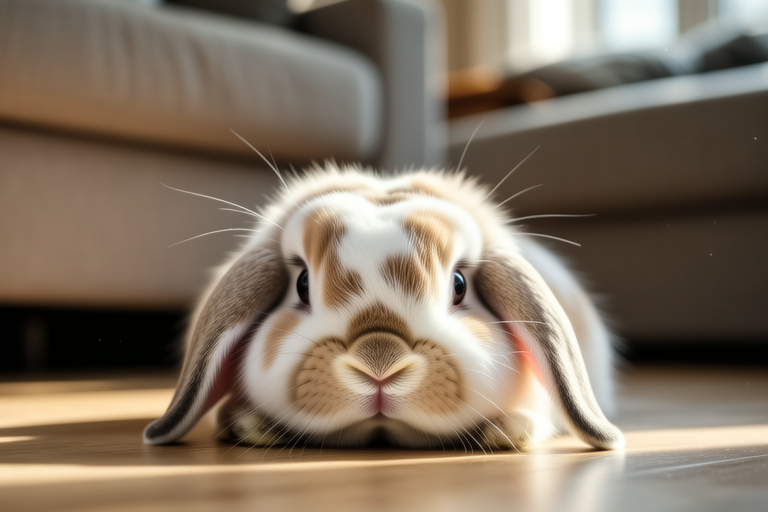
The Gentle Giants: Caring for Your Lop Rabbit at Home
Welcome to the wonderful world of lop rabbits! Known for their gentle nature and endearing floppy ears, lop rabbits have become increasingly popular pets among families and individuals seeking a loving companion. These gentle giants are not only adorable but also surprisingly low-maintenance, making them ideal for first-time rabbit owners. In this article, we will explore how to provide the best care for your lop rabbit at home, ensuring they live a long, healthy, and happy life.
Understanding Your Lop Rabbit
Lop rabbits come in various breeds, including English Lops, French Lops, and Mini Lops. Despite their size variations, all lop rabbits share a common trait: their drooping ears. These floppy appendages make them instantly recognizable and add to their charming appearance. Their calm demeanor and affectionate nature make them perfect companions for those looking for a pet that is both cuddly and easygoing.
Dietary Needs
A balanced diet is crucial for maintaining your lop rabbit’s health. The primary component of their diet should be hay, which provides necessary fiber and aids digestion. Timothy hay is often recommended for adult rabbits, while younger rabbits may benefit from alfalfa hay. Fresh water should always be available, and you can supplement their diet with fresh vegetables like carrots, spinach, and bell peppers. Avoid feeding them too many fruits, as the high sugar content can lead to digestive problems. Treats should be given sparingly, focusing instead on providing a variety of nutritious foods.
Housing Requirements
Proper housing is essential for keeping your lop rabbit comfortable and safe. A spacious hutch or cage is necessary, with dimensions that allow your rabbit to stretch out fully. The floor should be covered with soft bedding, such as straw or shredded paper, to prevent pressure sores. Ensure the enclosure has adequate ventilation and protection from extreme weather conditions. Additionally, provide hiding spots and toys to keep your rabbit entertained and mentally stimulated. Regular cleaning of the living area is important to maintain hygiene and prevent illnesses.
Exercise and Playtime
Regular exercise is vital for your lop rabbit’s physical and mental well-being. Allow your rabbit supervised time outside of its enclosure each day. This could be in a secure, rabbit-proofed room or a designated play area. Providing tunnels, chew toys, and other interactive items encourages exploration and prevents boredom. Exercise not only keeps your rabbit fit but also helps in reducing stress and promoting overall happiness.
Grooming Tips
Despite their short fur, lop rabbits still require regular grooming to stay clean and healthy. Brush their coat weekly to remove loose hair and prevent matting. Pay special attention to their ears, where dirt can accumulate. Use a damp cloth to gently wipe the inside of the ears, being careful not to insert anything into the ear canal. Trim their nails every few weeks if they don’t wear them down naturally. Regular grooming sessions also offer a great opportunity to bond with your rabbit and check for any signs of illness.
Socializing and Bonding
Building a strong bond with your lop rabbit takes time and patience. Spend quality time with your rabbit daily, speaking softly and offering treats to establish trust. Gently handle your rabbit, allowing them to get used to being held and petted. Introducing them to other family members, especially children, should be done gradually and under supervision. Teaching your rabbit simple commands can also enhance the bond and make handling easier. Remember, rabbits are prey animals, so sudden movements or loud noises can startle them. Approach them calmly and confidently to foster a trusting relationship.
Common Health Issues
Like any pet, lop rabbits can face certain health challenges. One of the most common issues is dental disease, which can result from poor diet or genetics. Regular visits to a veterinarian who specializes in rabbits can help catch and treat dental problems early. Another concern is gastrointestinal stasis, where the digestive system slows down or stops functioning. Ensuring a high-fiber diet and plenty of exercise can help prevent this condition. Parasites, such as fleas or mites, can also affect rabbits, so regular checks and preventive measures are advisable. Always consult a vet if you notice any changes in your rabbit’s behavior or appearance.
The Rewarding Experience of Owning a Lop Rabbit
Owning a lop rabbit is a rewarding experience filled with love and companionship. These gentle creatures bring joy and warmth to their homes, offering endless opportunities for bonding and play. Watching your rabbit grow and thrive under your care is incredibly fulfilling. However, it’s important to remember that adopting a pet is a long-term commitment. Be prepared to provide consistent care and attention throughout your rabbit’s life. With proper care and love, your lop rabbit can be a loyal and cherished member of your family for many years.
Further Learning Resources
To deepen your understanding of lop rabbit care, consider reading books and articles written by veterinarians and experienced rabbit owners. Joining local or online rabbit clubs can also provide valuable insights and support. Websites dedicated to rabbit welfare often offer useful guides and forums where you can connect with others who share your passion for these gentle giants. By continuously educating yourself, you’ll be better equipped to give your lop rabbit the best possible care.
