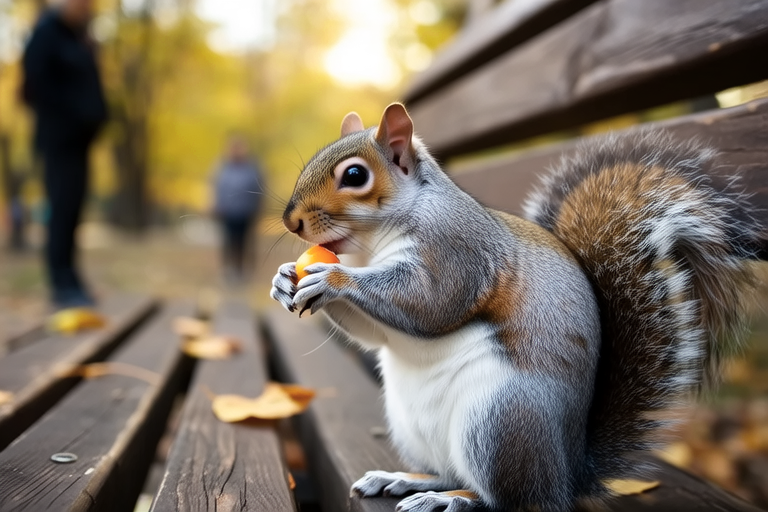
How Squirrels Became Urban Legends and Stole Our Hearts
In the bustling heart of cities worldwide, a small, bushy-tailed creature has found its place among the skyscrapers and concrete jungles. Once wild animals of the forest, squirrels have transformed into beloved urban inhabitants, capturing the hearts of city dwellers and becoming a symbol of nature’s resilience. This article explores the fascinating journey of these rodents, from their natural habitats to their integration into our cities, and how they’ve managed to steal our hearts along the way.
The Origins of the City Squirrel
The transformation of squirrels into urban legends began in the late 19th century when cities across North America started introducing them as part of urban beautification efforts. In 1877, Philadelphia became the first major city to release gray squirrels into Fairmount Park. The idea was to enhance the park’s aesthetic appeal and provide a touch of nature within the city limits. This initiative was soon replicated in other cities, including Washington D.C., where the squirrels thrived and became iconic symbols of the National Mall.
Initially, the introduction of squirrels was met with mixed reactions. Some people were concerned about the potential ecological impacts, while others saw it as an opportunity to bring a piece of nature closer to home. Over time, however, the benefits of having squirrels in urban areas became apparent. They provided entertainment, education, and a connection to nature for city residents.
Adaptability to City Life
Squirrels are highly adaptable creatures, and their ability to thrive in urban environments is a testament to their resourcefulness. Cities offer a variety of resources that squirrels can exploit, from abundant food sources like bird feeders and garbage bins to safe nesting sites in trees and buildings. Their adaptability is further enhanced by their omnivorous diet, which allows them to consume a wide range of foods, from acorns and seeds to insects and even human leftovers.
One of the most notable examples of squirrel adaptability is their ability to navigate complex urban landscapes. In cities like New York, squirrels have learned to cross busy streets by waiting for gaps in traffic, much like pedestrians. This behavior has earned them a reputation as savvy urbanites, capable of outsmarting even the most seasoned city dwellers.
Interactions with Humans
The relationship between squirrels and humans in urban settings is often characterized by a mutual curiosity and affection. Many city residents enjoy feeding squirrels, watching them scurry around parks, and observing their playful antics. This interaction fosters a sense of connection to nature, even in the midst of concrete and steel.
However, the relationship between squirrels and humans is not always harmonious. Conflicts can arise when squirrels become pests, such as when they damage gardens or enter homes in search of food. Despite these occasional nuisances, the overall sentiment towards squirrels remains overwhelmingly positive. Their presence in cities is seen as a reminder of the coexistence between humans and wildlife, and their antics often bring a smile to people’s faces.
Challenges in Urban Environments
While squirrels have successfully adapted to city life, they still face numerous challenges that can impact their survival. One of the primary threats is traffic. Squirrels are frequently injured or killed by cars as they attempt to cross roads. Another significant challenge is the availability of suitable nesting sites. As urban development continues, natural habitats are increasingly fragmented, leaving squirrels with fewer options for safe and secure homes.
Predation is also a concern for urban squirrels. While they may be less vulnerable to predators in cities than in rural areas, they still face threats from domestic cats, dogs, and even birds of prey. Additionally, exposure to toxins, such as pesticides and pollutants, can pose health risks to squirrels. These challenges highlight the importance of creating and maintaining green spaces within cities to provide safe havens for wildlife.
Capturing Public Imagination
Squirrels have captured the public imagination in countless ways, from literature and art to popular culture. They have been featured in children’s books, cartoons, and movies, often portrayed as lovable characters with endearing personalities. In literature, squirrels have been used as metaphors for perseverance and adaptability, symbolizing the human spirit’s ability to overcome adversity.
One of the most famous literary portrayals of squirrels is in Beatrix Potter’s “The Tale of Squirrel Nutkin.” First published in 1903, this charming story introduces readers to Nutkin, a mischievous squirrel who learns an important lesson about respect and boundaries. The book has become a classic of children’s literature and continues to delight readers more than a century after its initial publication.
In addition to literature, squirrels have inspired numerous works of art, from paintings and sculptures to digital media. Their playful demeanor and distinctive appearance make them ideal subjects for artistic expression. Squirrels have also made appearances in popular culture, including television shows, advertisements, and social media. Their ubiquity in urban environments has ensured that they remain a familiar and beloved sight for many.
Conclusion
The transformation of squirrels from wild animals into beloved urban inhabitants is a testament to their adaptability and resilience. Through their interactions with humans and their ability to thrive in diverse environments, squirrels have captured the hearts of city dwellers and become a symbol of nature’s enduring presence in our lives. As we continue to develop our cities, it is essential to recognize the role that wildlife plays in enhancing our quality of life and to work towards creating sustainable urban ecosystems that support both human and animal populations.
