How to Create a Perfect Home for Your Fancy Rat Companion
Welcome to the wonderful world of fancy rats! These intelligent, social creatures make fantastic companions. Creating the perfect home for your rat companion involves careful consideration of various factors that contribute to their well-being. This guide will walk you through essential aspects like choosing the right cage size and type, ensuring proper ventilation, providing adequate bedding and nesting materials, setting up safe exercise areas, incorporating hiding spots and tunnels, maintaining cleanliness, offering appropriate feeding stations, ensuring water accessibility, integrating toys for mental stimulation, and highlighting the importance of regular health checks and social interaction.
Choosing the Right Cage Size and Type
The first step in creating a perfect home for your fancy rat is selecting an appropriate cage. Rats are active animals that require ample space to move around comfortably. A minimum cage size of 36 inches long, 18 inches wide, and 18 inches high is recommended for one or two rats. However, if you plan to have more than two rats, consider getting a larger cage or multiple cages to ensure each rat has enough room.
When it comes to cage types, wire mesh cages are often preferred because they provide good ventilation and allow rats to climb. Avoid cages with bar spacing wider than half an inch to prevent escape and injury. Plastic cages can also be suitable but may not offer as much ventilation as wire cages. If you opt for a plastic cage, ensure there are plenty of ventilation holes.
Ensuring Proper Ventilation
Adequate ventilation is crucial for your rats’ respiratory health. Wire mesh cages naturally provide excellent airflow, but if you choose a solid-sided cage, make sure it has plenty of ventilation holes. Position the cage away from direct sunlight and drafts to maintain a stable temperature. Ideally, the ambient temperature should be between 64°F and 79°F (18°C and 26°C).
Providing Adequate Bedding and Nesting Materials
Rats need soft, comfortable bedding to sleep on and nest in. Avoid cedar and pine shavings, as they can cause respiratory issues. Instead, opt for aspen shavings, recycled paper products, or high-quality fleece liners. Provide enough bedding to create a cozy nest area where your rats can burrow and feel secure. Additionally, include nesting materials like tissue paper, cotton wool, or small cardboard boxes to encourage natural nesting behaviors.
Setting Up Safe Exercise Areas
Rats are highly active and require regular exercise to stay healthy. In addition to the cage’s internal space, provide a safe exercise area outside the cage. A large playpen or exercise wheel can serve this purpose. Ensure the exercise wheel has a solid surface to prevent foot injuries. Rotate toys and activities regularly to keep your rats mentally stimulated and physically engaged.
Incorporating Hiding Spots and Tunnels
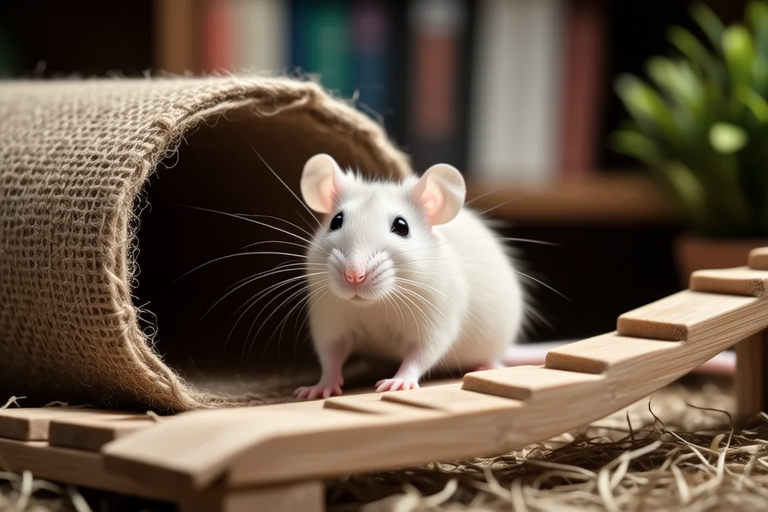
Rats are naturally curious and enjoy exploring. Incorporate hiding spots and tunnels within the cage to mimic their natural environment. You can use commercially available tunnels or DIY options like PVC pipes or cardboard boxes. Providing these elements allows your rats to feel secure while stimulating their curiosity and encouraging exploration.
Maintaining Cleanliness
Regular cleaning is essential to maintain a healthy living environment for your rats. Spot clean the cage daily by removing soiled bedding and uneaten food. Perform a thorough cleaning every week, including washing the cage and all accessories with pet-safe disinfectant. Allow everything to dry completely before returning it to the cage. This routine helps prevent the buildup of harmful bacteria and keeps your rats’ home fresh and inviting.
Offering Appropriate Feeding Stations
Feeding stations should be easily accessible and protected from contamination. Use heavy-duty bowls made of non-porous material like stainless steel or ceramic to prevent tipping and bacterial growth. Place food and water bowls in different areas of the cage to avoid competition. Offer a balanced diet consisting of commercial rat pellets supplemented with fresh fruits, vegetables, and occasional treats. Ensure the food is stored in airtight containers to preserve freshness.
Ensuring Water Accessibility
Integrating Toys for Mental Stimulation
Toys are essential for keeping your rats mentally stimulated and preventing boredom. Provide a variety of toys that cater to different activities, such as chewing, climbing, and digging. Rotate toys regularly to maintain interest and challenge. Some popular toy options include chew sticks, ropes, tunnels, and puzzle feeders. Interactive playtime with you can also enhance their mental stimulation and strengthen your bond.
Highlighting the Importance of Regular Health Checks and Social Interaction
Regular health checks are vital for early detection of any potential issues. Familiarize yourself with your rats’ normal behaviors and physical characteristics. Look out for signs of illness such as lethargy, loss of appetite, discharge from the eyes or nose, or changes in coat condition. Schedule routine veterinary check-ups with a small animal veterinarian who specializes in exotic pets.
Social interaction is equally important for your rats’ emotional well-being. Spend quality time with them daily, handling them gently and speaking softly. This bonding helps build trust and reduces stress. Consider adopting two rats together, as they thrive in pairs and provide companionship for each other.
Creating a Stress-Free Environment
To minimize stress for your rats, create a calm and consistent environment. Avoid sudden loud noises or movements near the cage. Keep the cage in a quiet area away from direct sunlight and drafts. Establish a predictable routine for feeding, cleaning, and playtime. This consistency helps your rats feel secure and reduces anxiety.
Adapting the Setup Based on Age and Behavior
The needs of your rats may change as they grow older or exhibit different behaviors. Younger rats tend to be more active and playful, requiring more space and toys for exploration. Older rats may become less mobile and prefer quieter, more comfortable environments. Observe your rats closely and adjust their living space accordingly. For example, provide softer bedding and easier access to food and water for older rats.
If you notice any behavioral changes, consult with a veterinarian or a professional rat behaviorist for guidance. Understanding and addressing these changes ensures your rats remain happy and healthy throughout their lives.
By following these guidelines, you can create a perfect home that meets all the physical and emotional needs of your fancy rat companion. Remember, a well-cared-for rat will lead a longer, healthier, and more enjoyable life. Enjoy the journey of building a strong bond with your beloved pet!
