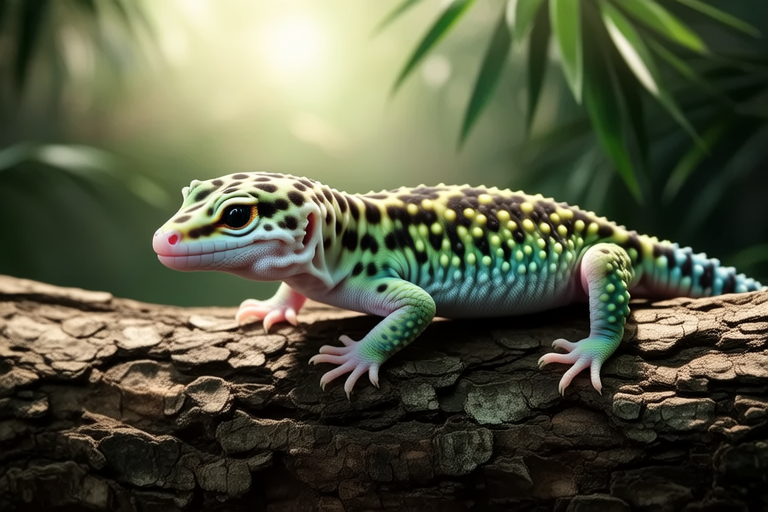
How a Chameleon’s Color Changing Abilities Can Reflect Their Mood
Introduction
Chameleons have long fascinated people with their remarkable ability to change color. While many assume that this is solely for camouflage, there is much more to it. These creatures use their vibrant hues to communicate their moods, express their health status, and interact with their environment. Understanding the nuances of chameleon coloration can deepen our appreciation for these unique reptiles and enhance the care we provide for them as pets.
The Physiological Process Behind Color Changes
Chameleons can alter their color through specialized cells called chromatophores located beneath their skin. These cells contain pigments and light-reflecting crystals that allow for rapid color changes. Chromatophores are layered in three distinct types:
- Xanthophores: Contain yellow pigments.
When a chameleon wants to change its color, neurons from the brain send signals to these chromatophore layers, causing them to expand or contract. This action shifts the visible color by altering the pigments and reflecting different wavelengths of light.
Color Changes Reflect Emotional States
A chameleon’s color can indicate various emotions. For example:
- Green: Typically associated with relaxation and well-being. A healthy, calm chameleon often displays a bright green color.
- Dark Brown or Black: Signals stress, fear, or aggression. If your chameleon appears dark brown or black, it may be feeling threatened or uncomfortable.
- Red: Indicates excitement, anger, or mating readiness. During courtship, males often display vibrant reds to attract females.
These color shifts are part of a broader communication system used by chameleons to signal their intentions to other chameleons and potential threats.
Environmental and Health Indicators
Chameleons also use color changes to respond to their environment and health conditions:
- Lightening Colors: When temperatures drop, chameleons may lighten their colors to absorb more heat and stay warm.
- Darkening Colors: Conversely, darker colors can help dissipate excess heat in hot environments.
- Yellow or Orange: May indicate illness or discomfort. If you notice these colors persistently, it could be a sign that your chameleon needs medical attention.
Understanding these environmental cues can help owners adjust their chameleon’s habitat to ensure optimal comfort and health.
Common Misconceptions About Chameleon Color Changes
One of the most widespread myths is that chameleons change color only to match their surroundings. While camouflage is indeed one reason for their color changes, it is far from the whole story. In reality, chameleons use their color-changing abilities primarily for communication and temperature regulation. They do not instantly match every object around them but rather rely on their internal state and external stimuli to determine their colors.
Tips for Owners to Interpret Color Signals
For those who keep chameleons as pets, understanding these color signals can greatly improve their care:
- Monitor Consistency: Regularly check your chameleon’s color. A consistent bright green usually indicates good health. Sudden changes or duller shades might signal issues.
- Temperature Checks: Ensure your chameleon has appropriate heating and lighting. Adjust the temperature based on the color changes; lighter colors may mean it’s too cold, while darker colors suggest it’s too hot.
- Behavioral Observations: Combine color observations with behavioral cues. If your chameleon is dark and aggressive, it may be stressed or ill. Seek veterinary assistance if necessary.
By keeping a close eye on these aspects, owners can better meet their chameleon’s needs and provide a supportive living environment.
Conclusion
The color-changing abilities of chameleons are a fascinating aspect of their biology, serving multiple purposes beyond simple camouflage. From signaling emotional states to adapting to environmental conditions, these color changes offer valuable insights into the lives of these captivating creatures. As responsible pet owners, understanding and responding to these signals can lead to healthier, happier chameleons. By learning to interpret these color cues, we can deepen our bond with these remarkable reptiles and ensure they thrive in their new homes.
