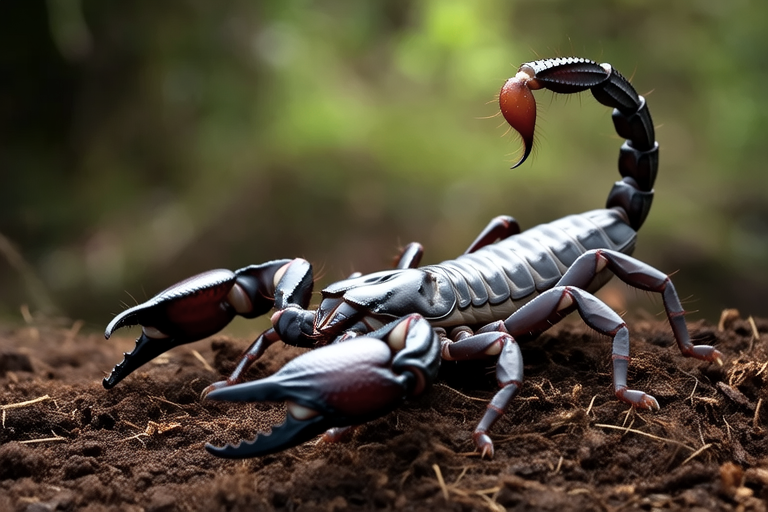
Thrills and Chills: Discovering the Unique Traits of Heterometrus Spinifer
The world of arachnids is vast and varied, with each species offering unique characteristics that captivate and intrigue. Among these, the Heterometrus spinifer stands out as a fascinating subject for exploration. Known commonly as the Asian forest scorpion, this creature is a marvel of evolution, perfectly adapted to its environment. This article delves into the distinct traits of the Heterometrus spinifer, from its physical attributes to its role in the ecosystem, aiming to educate and engage readers.
Introduction to the Species
The Heterometrus spinifer is a species of scorpion native to Southeast Asia, particularly found in countries like Thailand, Malaysia, and Indonesia. It is part of the family Scorpionidae and belongs to the genus Heterometrus. The name ‘spinifer’ translates to ‘spiny bearer,’ referring to the distinctive spines present on the tail segment known as the telson. These spines are not only a striking feature but also serve a functional purpose in defense and prey capture.
This species thrives in humid, tropical forests where it can find shelter under rocks, logs, and in crevices. Its natural habitat provides ample opportunities for hunting and hiding, ensuring survival in a densely populated ecosystem. The Heterometrus spinifer prefers areas rich in leaf litter and other organic matter, which offer both protection and a source of food.
Physical Characteristics
The Heterometrus spinifer is easily recognizable due to its robust body structure and vivid coloration. Adults typically range between 8 to 13 centimeters in length, making them one of the larger scorpion species. Their bodies are predominantly dark brown or black, with a lighter hue on the underside, providing excellent camouflage against predators.
One of the most notable features of the Heterometrus spinifer is its large pincers, or pedipalps, used for grasping prey and defending against threats. These pincers are powerful and equipped with sharp teeth-like structures called denticles, enhancing their grip strength. The tail, ending in the venomous stinger, is another prominent feature. The spines on the tail aid in maneuvering and delivering venom when necessary.
The venom of the Heterometrus spinifer is primarily used for subduing prey rather than self-defense. While it can cause pain and localized swelling in humans, it is generally not life-threatening. The venom contains neurotoxins that paralyze small insects, allowing the scorpion to consume them without risk.
Behavior and Diet
The Heterometrus spinifer is primarily nocturnal, spending daylight hours hidden in safe locations and emerging at night to hunt. This behavior minimizes exposure to daytime heat and potential predators. During the night, they actively search for prey, which includes insects, spiders, and occasionally small vertebrates.
These scorpions exhibit a unique method of capturing prey. Using their pincers, they grasp and crush smaller insects, while larger prey is subdued with the venomous sting. Once the prey is immobilized, the scorpion uses its chelicerae (jaws) to tear apart the meal and consume it.
In addition to hunting, the Heterometrus spinifer displays interesting mating behaviors. Males perform complex courtship dances to attract females, involving a series of movements and tactile interactions. After successful mating, the female carries the eggs internally until they hatch, usually after several months. Once born, the young scorpions ride on the mother’s back until they molt for the first time, approximately two weeks later.
Myths and Misconceptions
Despite its impressive presence, the Heterometrus spinifer is often misunderstood. One common myth is that all scorpions are deadly, leading to unnecessary fear. In reality, while some species possess potent venom, the Heterometrus spinifer is relatively harmless to humans. Another misconception is that scorpions always glow under ultraviolet light, which is true for many species but not exclusively so.
Understanding the facts behind these myths is crucial for appreciating the Heterometrus spinifer and its place in the ecosystem. By dispelling unfounded fears, we can foster a greater appreciation for these creatures and their role in maintaining ecological balance.
Role in Ecosystems
The Heterometrus spinifer plays a vital role in its ecosystem as both predator and prey. As a top predator within its microhabitat, it helps control insect populations, preventing overpopulation and associated issues. This regulation ensures a balanced distribution of resources among various organisms, contributing to overall biodiversity.
Furthermore, the Heterometrus spinifer serves as a food source for numerous animals, including birds, reptiles, and larger mammals. This interconnectedness highlights the importance of preserving their habitats and ensuring their continued existence.
Conservation Efforts
Given the critical role of the Heterometrus spinifer in its ecosystem, conservation efforts are essential. Habitat destruction and pollution pose significant threats to their survival. Conservation initiatives focus on protecting natural forests and promoting sustainable land use practices. Educational programs aimed at raising awareness about the importance of preserving these habitats are also crucial.
Efforts include establishing protected areas and encouraging responsible tourism that does not disturb wildlife. Additionally, research into the biology and behavior of the Heterometrus spinifer aids in developing effective conservation strategies.
Safety Tips for Encounters
While encountering the Heterometrus spinifer can be thrilling, it is important to approach such situations with caution. Always wear protective clothing and footwear when exploring areas where these scorpions may reside. If you come across one, avoid disturbing it; instead, give it space and allow it to continue its activities undisturbed.
In case of accidental contact, seek medical attention if you experience severe symptoms. Remember, the venom is generally not fatal, but prompt treatment can alleviate discomfort and prevent complications.
Respecting Wildlife Habitats
Ultimately, the key to coexisting with the Heterometrus spinifer lies in respecting their habitats. By minimizing human impact on their environments and supporting conservation efforts, we can ensure the continued survival of this remarkable species. Understanding and appreciating the intricate web of life they are part of fosters a sense of responsibility towards our planet’s biodiversity.
In conclusion, the Heterometrus spinifer is a testament to the wonders of nature. Its unique traits, from its striking appearance to its vital role in ecosystems, make it a fascinating subject for study and admiration. By learning more about this species, we gain insight into the complexity of life and the importance of conservation efforts worldwide.
