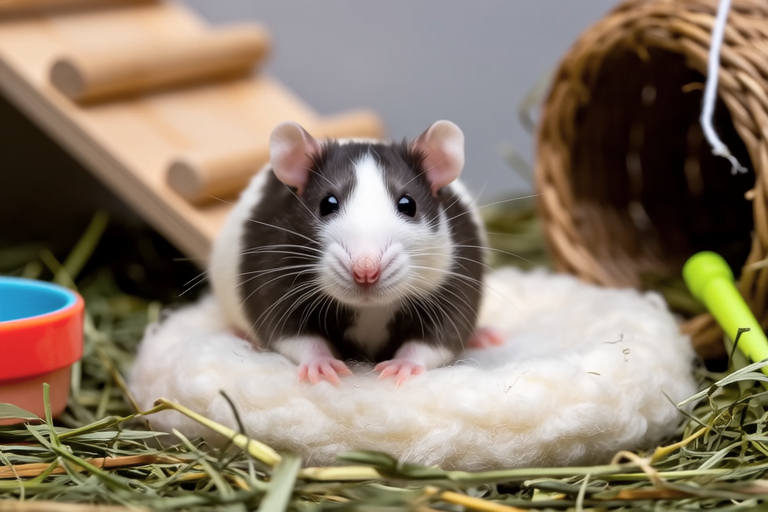
From Cage to Comfort: How to Create the Ultimate Home for Your Fancy Rat
Welcome to the wonderful world of fancy rats! These intelligent, social, and affectionate creatures make fantastic pets for both first-time and seasoned animal enthusiasts. Creating a comfortable and stimulating environment for your pet rat is key to ensuring their happiness and health. This guide will walk you through everything you need to know about setting up the perfect home for your fancy rat, from choosing the right cage to maintaining hygiene and integrating them into your family.
Choosing the Right Cage Size and Type
The first step in creating the ultimate home for your fancy rat is selecting the appropriate cage. Rats are active and curious animals that require ample space to explore and play. A minimum cage size of 24 inches long by 18 inches wide by 18 inches high is recommended for one rat, but if you plan to have multiple rats, it’s best to provide even more room. Larger cages, such as those measuring 36 inches long by 24 inches wide by 24 inches high, are ideal for two or more rats.
When it comes to cage types, there are several options available, including wire cages, glass aquariums, and plastic habitats. Wire cages offer excellent ventilation and allow for easy attachment of accessories like hammocks and wheels. However, they can be difficult to clean thoroughly, and rats may chew on the wires. Glass aquariums provide better protection against drafts and noise, making them a good choice for colder climates. Plastic habitats are lightweight and easy to clean, but they may not offer as much ventilation as wire cages.
Regardless of the cage type you choose, ensure it has multiple levels or platforms to encourage climbing and exercise. Rats enjoy exploring vertical spaces, so providing ramps or ladders between different levels can enhance their living environment.
Essential Bedding and Nesting Materials
Proper bedding is crucial for keeping your rat’s cage clean and cozy. Avoid cedar and pine shavings, as these can cause respiratory issues due to their aromatic oils. Instead, opt for safe bedding options such as recycled paper products, paper pulp, or aspen shavings. These materials are dust-free, absorbent, and easy to clean.
In addition to bedding, provide soft nesting materials for your rat to burrow and sleep in. Good choices include shredded paper, tissue paper, or commercially available nesting pads. Ensure that any materials you provide are free of dyes and chemicals that could be harmful to your pet.
Appropriate Toys and Accessories for Mental Stimulation
Rats are highly intelligent and need mental stimulation to stay happy and healthy. Provide a variety of toys and accessories to keep your rat entertained and engaged. Chew toys, such as untreated wood blocks or cardboard tubes, help wear down their continuously growing teeth. Puzzle feeders and treat-dispensing toys challenge their minds and reward them with tasty treats.
Exercise wheels are another essential accessory for your rat’s cage. Choose a solid-surface wheel to prevent injury from falling through the spokes. Additionally, consider adding tunnels, hammocks, and hanging toys to create a stimulating and enriching environment.
Dietary Needs and Feeding Strategies
A balanced diet is vital for your rat’s overall health and well-being. A high-quality commercial rat food, often labeled as “rat block,” provides the necessary nutrients, vitamins, and minerals. Supplement this base diet with fresh vegetables, fruits, and occasional protein-rich treats like boiled eggs or cooked chicken. Avoid feeding your rat foods that are toxic to them, such as chocolate, caffeine, onions, or avocado.
Feed your rat small portions throughout the day rather than one large meal. This mimics their natural foraging behavior and helps prevent obesity. Always provide fresh water in a water bottle or sipper tube to ensure constant access.
Maintaining Hygiene and Cleaning Tips
Regular cleaning is essential for maintaining a healthy living environment for your rat. Clean the cage at least once a week, removing all bedding and replacing it with fresh material. Wipe down the cage and accessories with a mild disinfectant solution, rinsing thoroughly and allowing everything to dry completely before replacing.
To minimize odors, spot-clean the cage daily by removing soiled bedding and debris. Use a gentle, non-toxic cleaner for routine maintenance. Regular cleaning also helps prevent the buildup of harmful bacteria and parasites.
Safety Measures to Prevent Injuries
While rats are generally hardy animals, they can still suffer injuries if proper precautions aren’t taken. Ensure that all cage accessories are securely attached and free from sharp edges or loose parts that could cause harm. Avoid placing the cage near direct sunlight or heat sources, as rats are sensitive to temperature extremes.
Supervise your rat when they are outside of their cage to prevent accidents. Provide a safe area for them to explore, free from hazards such as electrical cords, small objects, or toxic plants. If you have other pets, closely monitor interactions to ensure the safety of your rat.
Advice on Integrating Rats into Human Family Life for Social Enrichment
Rats are social animals that thrive on interaction with their human families. Spend time each day handling and playing with your rat to strengthen the bond between you. Use positive reinforcement techniques, such as offering treats and praise, to encourage desirable behaviors.
Introduce your rat gradually to other family members, especially children, to ensure everyone gets along. Teach children how to handle the rat gently and respect its boundaries. Encourage supervised playtime to foster a positive relationship between your rat and other household members.
Consider adopting a second rat if you’re looking for companionship. Rats are highly social and benefit from having a companion to interact with. When introducing new rats, supervise them carefully to ensure compatibility and avoid any aggressive behavior.
In conclusion, creating the ultimate home for your fancy rat involves careful consideration of their physical and emotional needs. By providing a spacious and stimulating environment, a nutritious diet, regular care, and plenty of love, you’ll ensure that your pet rat lives a happy and healthy life. Enjoy the rewarding experience of sharing your home with these delightful creatures!
