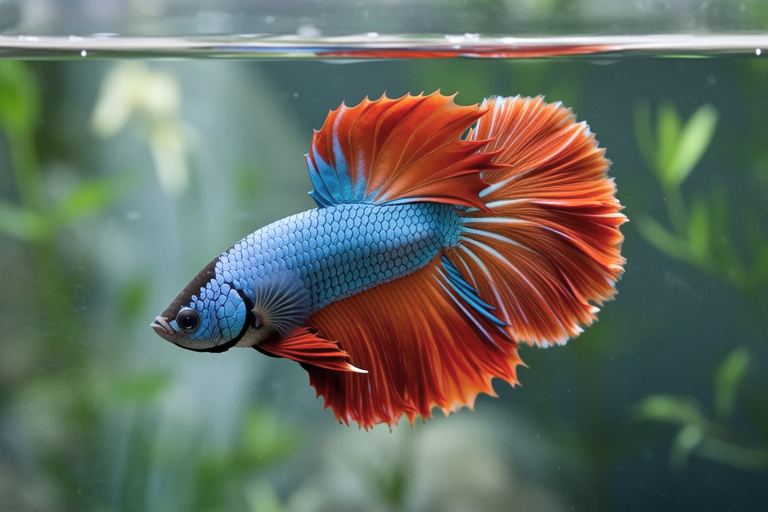
The Ultimate Betta Buying Guide: Tips for Selecting Your New Pet
Welcome to the world of bettas! These vibrant, colorful fish are beloved for their beauty and resilience. Whether you’re a first-time fish owner or looking to expand your aquarium collection, this guide will provide you with all the necessary information to select and care for your new pet.
Introduction to Bettas
Betta splendens, commonly known as bettas, are native to the rice paddies and slow-moving streams of Southeast Asia. Known for their flowing, vibrant fins and striking colors, these fish are popular among aquarists. Contrary to popular belief, bettas are not solitary creatures; they thrive in social environments when properly cared for. Understanding their natural habitat is crucial for providing them with the best living conditions.
Care Requirements
Bettas require specific care to ensure they live long, healthy lives. They need clean, well-maintained water, regular feeding, and proper tank setup. It’s important to understand that while bettas can survive in small containers, they prefer larger tanks that allow them to swim freely.
Common Myths About Bettas
One of the most prevalent myths about bettas is that they can live in tiny cups or bowls. While bettas can survive in such conditions, they cannot thrive. Another myth is that male bettas must be kept alone. In reality, male bettas can coexist with other non-aggressive species and even females under certain conditions.
Selecting the Right Tank
The size of the tank is crucial. A minimum of five gallons is recommended, though larger tanks offer more swimming space and better water quality. The tank should have a secure lid to prevent escapes. Decorations like plants, caves, and driftwood can enrich the environment, providing hiding spots and stimulating exercise.
Water Conditions
Maintaining the correct water parameters is vital for your betta’s health. Water should be dechlorinated, with a pH level between 6.5 and 7.5. Temperature should be around 78°F (25°C), and ammonia and nitrite levels should be undetectable. Regular water changes, at least 25% weekly, help maintain these conditions.
Filtration Systems
A good filtration system is essential for keeping the water clean and oxygenated. Choose a filter that provides gentle water flow, as bettas are sensitive to strong currents. Sponge filters are often recommended due to their gentle operation and ability to support beneficial bacteria.
Selecting Healthy Bettas
When selecting your betta, pay attention to its appearance, behavior, and fins. A healthy betta should have clear eyes, bright colors, and no visible wounds or parasites. Its fins should be intact, without tears or discoloration. Watch the fish swim; it should move gracefully and confidently. Avoid fish that appear lethargic, breathe heavily at the surface, or show signs of distress.
Diet Options and Feeding Schedules
Bettas are carnivorous and require a diet rich in protein. High-quality betta pellets are ideal, supplemented with occasional live or frozen foods like bloodworms and brine shrimp. Feed your betta twice daily, offering only what they can consume within two minutes to prevent overfeeding.
Essential Maintenance Tips
Maintaining a healthy environment involves regular cleaning and monitoring. Test water parameters regularly and perform partial water changes weekly. Clean the tank decor and substrate as needed. Monitor your betta’s behavior for any changes that might indicate illness.
Signs of a Sick Betta
Recognizing early signs of illness is crucial for prompt treatment. Look for unusual behaviors such as loss of appetite, lethargy, labored breathing, or discolored fins. If you notice any of these symptoms, consult with a veterinarian specializing in exotic pets for appropriate care.
In conclusion, selecting and caring for a betta requires commitment and knowledge. By understanding their needs and providing a suitable environment, you can enjoy a long-lasting relationship with these captivating creatures. Remember, a happy betta is a healthy betta!
