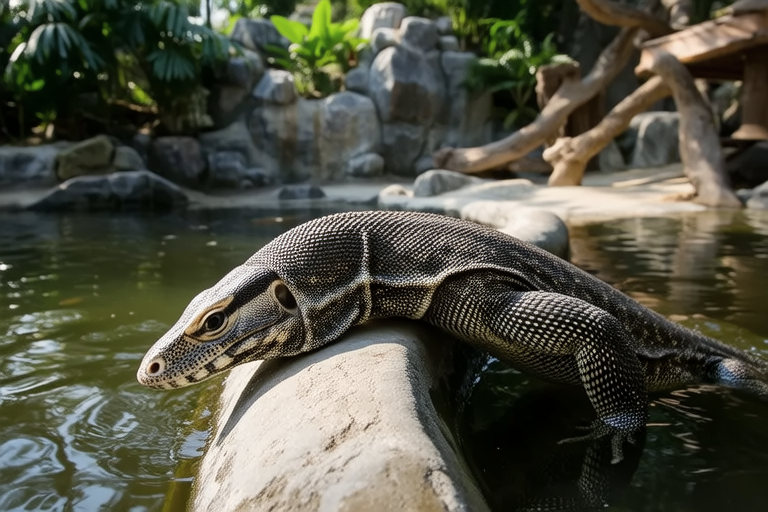
Transform Your Backyard into a Water Monitor Paradise: Tips and Tricks
Welcome to the world of water monitor ownership! These fascinating creatures, native to parts of Asia, are known for their impressive size and unique behaviors. If you’re looking to create a backyard oasis for your water monitor, this guide will provide you with all the necessary tips and tricks to ensure your pet thrives in its new home.
Suitable Habitat Creation
The first step in transforming your backyard into a water monitor paradise is to create a suitable habitat. Water monitors need ample space, both above and below water, to feel comfortable and thrive. Start by ensuring your yard has a large enough pond or pool where they can swim and dive. The water should be deep enough to allow them to submerge completely, with a minimum depth of about 6 feet for adult monitors. This depth provides them with the opportunity to explore their surroundings fully.
Additionally, consider adding a basking area near the water’s edge. This spot should receive direct sunlight and have a flat surface where your monitor can bask safely. You may also want to include some rocks or logs for climbing and exploring. These structures mimic the natural terrain of their native habitats and provide stimulation for your pet.
Temperature control is crucial for water monitors, as they are ectothermic animals that rely on external sources of heat to regulate their body temperature. Use a combination of UVB lighting and heat lamps to maintain optimal temperatures within your enclosure. Aim for daytime temperatures between 85°F and 95°F (29°C – 35°C) and nighttime temperatures around 75°F (24°C). A thermometer placed in various areas of the enclosure will help you monitor these conditions effectively.
Dietary Needs
Water monitors have diverse dietary preferences, making it essential to offer a varied menu. In the wild, they feed on insects, small mammals, birds, fish, eggs, and occasionally fruits. To replicate this diet at home, you can provide a mix of commercially available monitor pellets, live prey items such as crickets, mealworms, and feeder fish, and occasional fruits like bananas or papayas.
It’s important to note that overfeeding can lead to obesity and related health issues in water monitors. Feed your pet every other day, adjusting portion sizes based on its age and activity level. Always remove any uneaten food from the enclosure after feeding to prevent contamination and maintain hygiene.
Shelter Preferences
Water monitors prefer having multiple hiding spots throughout their enclosure. These shelters serve several purposes: they provide security, aid in thermoregulation, and offer opportunities for rest and relaxation. You can create hiding spots using overturned logs, caves made from rocks, or commercially available hide boxes. Ensure each hide box has an entrance large enough for your monitor to enter comfortably but small enough to feel secure once inside.
When designing these hiding spots, think about how they might interact with the water feature in your backyard. For instance, you could build a cave that extends partially underwater, allowing your monitor to retreat to a cool, damp area when needed. This type of setup closely mimics the natural environment of water monitors, encouraging more natural behaviors and reducing stress.
Safety Precautions
While water monitors make wonderful pets, they require careful handling due to their size and strength. Always supervise interactions between children and these animals, and teach proper handling techniques to avoid injury. Additionally, ensure that any fences or barriers surrounding your backyard are secure and escape-proof.
Regular veterinary check-ups are also vital for maintaining your water monitor’s health. Schedule annual visits with a reptile-savvy veterinarian who can perform physical exams, administer vaccinations if necessary, and address any potential health concerns before they become serious issues.
Selecting Appropriate Substrates
The substrate you choose for your water monitor’s enclosure plays a significant role in maintaining cleanliness and promoting overall well-being. Opt for materials that are easy to clean and replace while providing adequate drainage. Some popular choices include coconut fiber, cypress mulch, or a mixture of both. Avoid substrates that retain moisture or are difficult to clean, as these can contribute to bacterial growth and respiratory infections.
In addition to selecting the right substrate, consider adding enrichment activities to stimulate your monitor’s mind and body. Puzzle feeders, climbing structures, and interactive toys can keep your pet engaged and mentally stimulated. Rotate these items periodically to prevent boredom and encourage exploration.
Maintaining Hygiene
Hygiene is critical when caring for water monitors, as poor sanitation can lead to health problems such as skin infections, respiratory issues, and digestive disorders. Establish a regular cleaning schedule that includes daily spot-cleaning of feces and uneaten food, weekly water changes, and monthly deep cleans of the entire enclosure.
To maintain hygiene, invest in quality filtration systems for your pond or pool. These systems help keep the water clean and free from harmful bacteria. Additionally, use safe disinfectants specifically designed for reptile enclosures to sanitize surfaces and prevent the spread of pathogens.
Conclusion
By following these tips and tricks, you can transform your backyard into a water monitor paradise that meets all of your pet’s needs. Remember to prioritize creating a stimulating and enriching environment while ensuring safety and hygiene at all times. With dedication and care, you’ll enjoy many years of companionship with your magnificent water monitor.
