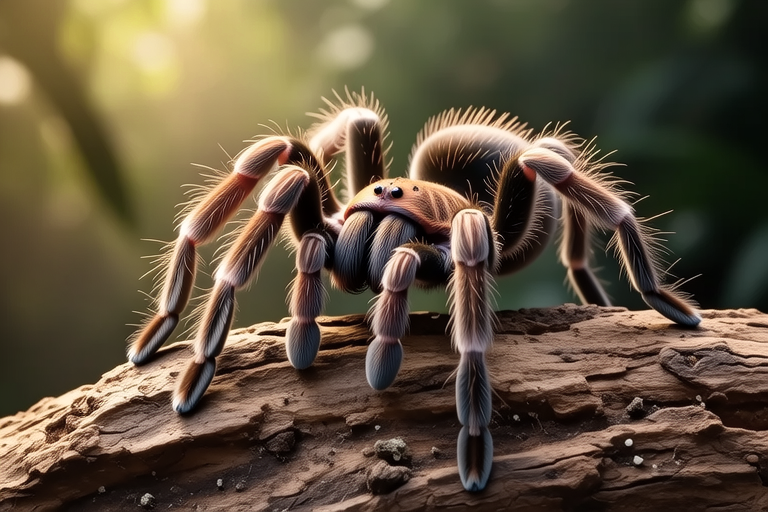
5 Surprising Facts About Tarantulas That Will Change Your Mind
Tarantulas have long been the subject of fear and fascination. Their size, hairy appearance, and sometimes aggressive reputation have made them a staple in horror movies and spooky stories. However, beneath their intimidating exterior lies a world of surprising facts that challenge our preconceived notions about these arachnids. This article delves into five lesser-known aspects of tarantula biology and behavior that will not only broaden your knowledge but also shift your perspective on these often misunderstood creatures.
Fact 1: Tarantulas Are Not Aggressive by Nature
One of the most pervasive myths about tarantulas is that they are aggressive predators, always ready to attack. In reality, tarantulas are generally shy and non-aggressive towards humans. These spiders prefer to avoid confrontation, retreating to the safety of their burrows when threatened. Their primary defense mechanism involves the use of urticating hairs on their abdomen, which they flick at potential threats. These tiny hairs can cause irritation to the skin and eyes of predators, effectively deterring them without the need for physical aggression. Understanding this aspect of their behavior helps us appreciate the tarantula’s preference for peace over conflict.
Fact 2: Tarantulas Can Regrow Lost Limbs
Imagine having the ability to regrow a lost limb! While this may sound like something out of science fiction, it’s a real phenomenon in the world of tarantulas. If a tarantula loses a leg, it can regenerate the missing appendage during its next molt. This remarkable regeneration process allows the spider to recover from injuries sustained in fights or accidents. The new leg, however, might be slightly smaller than the original, especially if the injury occurred during a critical growth phase. This resilience highlights the incredible adaptability of these creatures and underscores the importance of their molting cycles for survival.
Fact 3: Tarantulas Have Unique Communication Methods
Communication among animals is as varied as the species themselves. Tarantulas have developed some fascinating ways to convey messages, particularly to potential mates. Male tarantulas produce a drumming sound by tapping their legs on the ground, a method known as stridulation. This rhythmic tapping serves to attract females and can also serve as a form of territory marking. Additionally, some tarantulas can produce vibrations through their webs, using these subtle tremors to communicate with other members of their species. These communication methods demonstrate the complexity of tarantula social interactions and challenge the notion that these creatures live solitary lives.
Fact 4: Tarantulas Are Lifespan Champions Among Spiders
When it comes to longevity, tarantulas reign supreme among their arachnid counterparts. While most spiders have relatively short lifespans, tarantulas can live for decades. Some species have been observed living up to 30 years in captivity, with females typically outliving males due to their longer reproductive periods. This extended lifespan allows tarantulas to reach impressive sizes, with some species growing to be as large as dinner plates. The longevity of tarantulas contributes to their role as ecological keystone species, influencing the balance of ecosystems where they reside.
Fact 5: Tarantulas Have Venom, But It’s Not Always Dangerous to Humans
The venom of tarantulas has been the subject of much speculation, with many people believing it to be highly dangerous. In truth, the venom of most tarantula species is mild and poses little threat to humans. While their bite can cause localized pain and swelling, similar to a bee sting, it is rarely life-threatening. Some species, such as the Brazilian wandering spider, possess venom that can be more potent, but even then, fatalities are extremely rare. Research into tarantula venom has revealed potential medical applications, including pain management and neurology treatments. This discovery underscores the untapped potential of these creatures in the field of biomedicine.
In conclusion, tarantulas are far more complex and intriguing than their reputation suggests. By exploring these five surprising facts, we gain a deeper appreciation for the resilience, communication skills, and adaptability of these remarkable creatures. Understanding tarantulas not only broadens our scientific knowledge but also encourages a more compassionate view of these often maligned arachnids. As we continue to learn more about tarantulas, it becomes increasingly clear that these spiders are deserving of our respect and admiration, rather than our fear. By shifting our perspective, we open the door to a richer understanding of the natural world and the diverse life forms that inhabit it.
