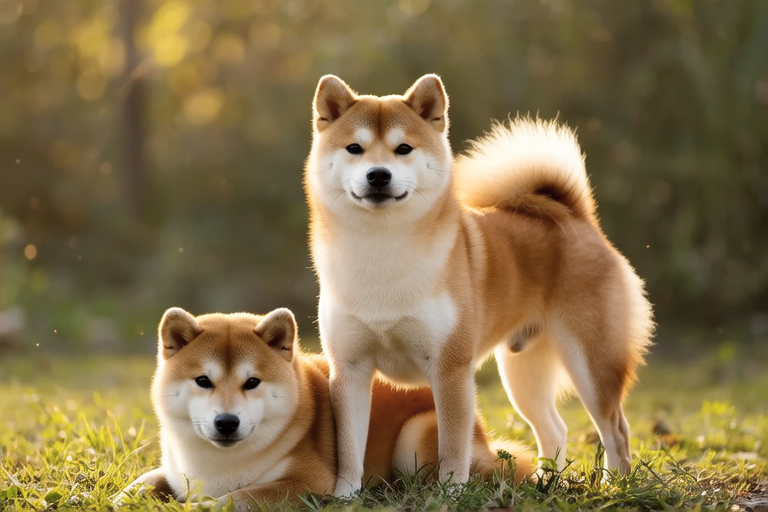
Shiba Inus: A Comprehensive Guide
The Shiba Inu is one of the oldest and smallest of the six original and distinct spitz breeds of Japan. Their history dates back to ancient times, where they were used for hunting small game and birds. The breed almost became extinct during World War II due to bombing raids and canine distemper. However, after the war, a concerted effort was made to preserve the breed, and today, Shibas are cherished companions around the world.
Physical Characteristics
Shibas are a small to medium-sized breed, typically weighing between 17 to 23 pounds (7.7 to 10.4 kg) for males and 15 to 20 pounds (6.8 to 9 kg) for females. They stand about 14.5 inches (37 cm) tall at the shoulder. Their compact, well-muscled bodies are designed for agility and endurance, making them excellent hunters.
Their double coat is one of their most distinctive features. The outer coat is straight, harsh, and slightly stiff, while the undercoat is soft and thick. This dual-layered coat provides insulation against both cold and heat, making Shibas comfortable in various climates. The coat comes in three primary colors: red, black and tan, and sesame (a mix of red and black hairs).
Unique Traits
Shiba Inus are known for their independent nature, which can sometimes be mistaken for stubbornness. This trait makes them less likely to follow commands blindly and more inclined to think things through before acting. Despite this, Shibas are highly alert and loyal to their families. They form strong bonds with their owners and can be very protective, especially when it comes to strangers or unfamiliar situations.
Energy Levels and Exercise Needs
Shibas have moderate to high energy levels, requiring regular exercise to stay healthy and happy. Daily walks, playtime in a secure area, and mental stimulation are essential for keeping them physically and mentally fit. Without adequate exercise, Shibas may become bored or destructive, leading to behavior issues.
Grooming Requirements and Common Health Issues
Shibas are relatively easy to groom due to their short, dense coats. They shed seasonally, with heavier shedding occurring twice a year. Regular brushing during these periods helps manage shedding and keeps the coat healthy. Bathing should be done only when necessary, as over-bathing can strip the natural oils from their skin.
Common health issues in Shibas include hip dysplasia, patellar luxation, and progressive retinal atrophy. Regular veterinary check-ups and a balanced diet can help prevent many of these conditions. Proper grooming and dental care also contribute to their overall health.
Temperament and Interaction
Shiba Inus are generally good with children if properly socialized from an early age. However, due to their independent nature, they may not always tolerate rough handling or excessive attention. They tend to be wary of strangers and can be reserved around unfamiliar people or animals. Early socialization is crucial for developing a well-rounded and friendly Shiba.
When it comes to other pets, Shibas can coexist peacefully if introduced gradually and under supervision. Their prey drive can lead to conflicts with smaller animals, so careful introductions are necessary.
Trainability and Intelligence
Shibas are intelligent dogs but can be challenging to train due to their independent nature. Consistent, positive reinforcement training methods work best with this breed. They respond well to rewards and praise but may become disinterested if subjected to repetitive or harsh training techniques. Comparatively, Shibas rank high in intelligence but lower in obedience compared to breeds like Border Collies or German Shepherds.
Why Shiba Inus Stand Out
Shiba Inus stand out for their unique combination of independence, alertness, and loyalty. Their charming personalities, combined with their striking appearance, make them a popular choice for many dog lovers. Their adaptability to different living environments and their ability to thrive in urban settings make them ideal city dogs. Their loyalty and protective nature further enhance their appeal as family pets.
Tips for Potential Owners
- Early Socialization: Introduce your Shiba to various people, animals, and environments from an early age to ensure they grow up to be well-adjusted and friendly adults.
- Consistent Training: Use positive reinforcement and consistent training methods to help your Shiba learn and obey commands.
- Adequate Exercise: Ensure your Shiba gets enough physical activity each day to prevent boredom and destructive behavior.
- Regular Grooming: Brush your Shiba regularly, especially during shedding seasons, to keep their coat healthy and reduce the amount of fur around your home.
- Veterinary Care: Schedule routine check-ups and vaccinations to maintain your Shiba’s health and catch any potential issues early.
In conclusion, Shiba Inus are a unique and charming breed that offers much to their owners. Their independence, alertness, and loyalty make them excellent companions, while their physical characteristics and grooming needs require a certain level of commitment. With proper care, training, and socialization, Shibas can be loving and devoted members of any family. For those who appreciate a dog with a strong personality and a rich history, the Shiba Inu is a breed worth considering.
