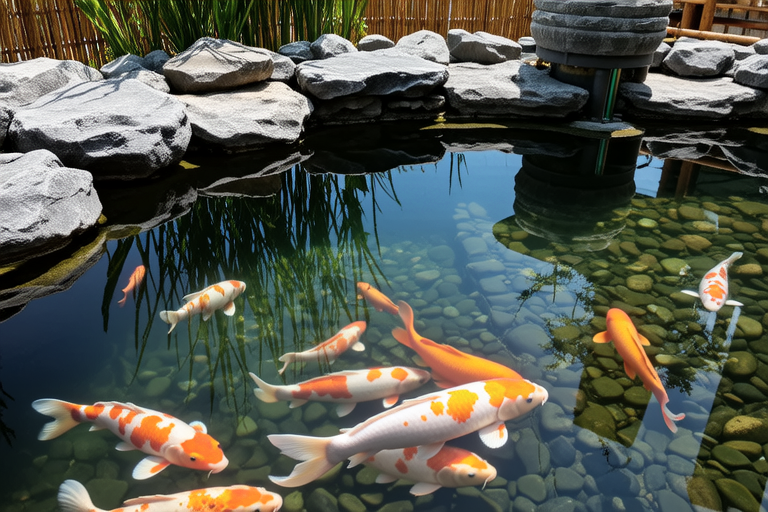
How to Create an Ideal Habitat for Your Koi Pond
Welcome to this comprehensive guide on how to create an ideal habitat for your koi pond. Whether you’re a seasoned aquarist or a beginner, this guide will provide you with all the necessary information to ensure your koi fish thrive in their new home. From selecting the right location to maintaining optimal water quality, we’ll cover everything you need to know to create a healthy and vibrant environment for your koi pond.
Selecting the Right Location
The first step in creating an ideal habitat for your koi pond is choosing the right location. The site you select can greatly impact the health and happiness of your koi fish. Here are some factors to consider:
- Sunlight: Koi ponds should receive at least six hours of direct sunlight each day. This helps promote plant growth and algae production, which are essential for a balanced ecosystem.
- Shade: While sunlight is important, too much direct sun can lead to excessive algae growth and higher water temperatures. Consider placing your pond near trees or installing shade structures to provide some relief from the heat.
- Wind: Strong winds can cause excessive splashing and erosion around the edges of the pond. Choose a location that is relatively sheltered from strong gusts.
- Proximity to power outlets: You’ll need access to electricity for your pond’s filtration system and any other equipment you may install.
- Drainage: Ensure the area you choose has good drainage. Poor drainage can lead to standing water and increased risk of disease.
Proper Pond Design and Size
Designing your koi pond is a crucial step in creating a healthy habitat for your fish. Here are some key considerations:
- Shape: A pond with a natural, irregular shape will look more aesthetically pleasing and provide more hiding spots for your koi fish.
- Depth: Koi ponds should be at least 3 feet deep to allow the fish to regulate their body temperature. Deeper areas also help prevent overgrowth of aquatic plants and algae.
- Surface area: The surface area of your pond should be large enough to support the number of fish you plan to keep. As a general rule, you should have at least 10 square feet of surface area per adult koi.
- Edge design: Incorporate gentle slopes and shallow areas along the edges of your pond to create a gradual transition between land and water. This makes it easier for fish to enter and exit the pond.
Filtration Systems
A well-designed filtration system is essential for maintaining clean and healthy water in your koi pond. There are three main types of filtration systems:
- Mechanical filtration: This type of filtration removes large debris, such as leaves and twigs, from the water. It typically consists of a skimmer or a pump basket.
- Biological filtration: Biological filters use beneficial bacteria to break down harmful ammonia and nitrite into less toxic forms. These filters usually consist of media such as bio-balls or ceramic rings.
- Chemical filtration: Chemical filters remove dissolved organic compounds and other impurities from the water. Activated carbon is commonly used for this purpose.
When selecting a filtration system, consider the size of your pond and the number of fish you plan to keep. It’s generally recommended to have a filter that can process the entire volume of water in your pond at least once every two hours.
Water Quality Maintenance
Regular monitoring and maintenance of water quality are crucial for keeping your koi pond healthy. Here are some key aspects to focus on:
- pH levels: The pH level of your pond water should be between 6.8 and 8.2. Test your water regularly and adjust the pH as needed using appropriate chemicals.
- Ammonia and nitrite levels: These are toxic to koi fish, so it’s important to monitor them closely. Use a test kit to check these levels weekly and address any issues promptly.
- Temperature: Koi fish prefer water temperatures between 64 and 77 degrees Fahrenheit. Install a thermometer to monitor the temperature and consider using a heater or chiller if necessary.
- Algae control: Excessive algae growth can lead to poor water quality and reduced oxygen levels. Use algaecides sparingly and focus on maintaining a balanced ecosystem to prevent algae blooms.
Planting Aquatic Plants
Adding aquatic plants to your koi pond can enhance its beauty and provide important benefits for your fish. Here are some popular options:
- Water lilies: These floating plants provide shade and cover for your koi fish while also helping to reduce algae growth.
- Eelgrass: This submerged plant provides oxygen and food for your fish while also helping to filter the water.
- Cattails: These tall, reedy plants offer excellent hiding spots for your koi fish and help to stabilize the edges of your pond.
When planting aquatic plants, make sure to choose species that are compatible with koi fish. Avoid plants that produce thorns or sharp edges, as these can injure your fish. Additionally, be mindful of the amount of plant coverage in your pond, as too many plants can reduce oxygen levels and increase the risk of algae blooms.
Ensuring Adequate Oxygen Levels
Koi fish require plenty of oxygen to thrive, so it’s important to ensure that your pond has adequate oxygen levels. Here are some ways to maintain healthy oxygen levels:
- Aeration: Install an aerator or fountain to circulate the water and increase oxygen levels. These devices also help to reduce algae growth by promoting water movement.
- Plants: As mentioned earlier, aquatic plants play a vital role in oxygenating the water. Make sure to include a variety of oxygen-producing plants in your pond.
- Water movement: Gentle water movement helps to distribute oxygen throughout the pond. Consider adding a waterfall or stream to your pond design.
Providing Shelter and Hiding Spots
Koi fish are social creatures that enjoy interacting with each other, but they also need places to hide when they feel threatened. Here are some ways to provide shelter and hiding spots for your koi fish:
- Rocks and gravel: Arrange large rocks and gravel around the edges of your pond to create natural hiding spots.
- Plants: As mentioned earlier, aquatic plants provide excellent hiding spots for your koi fish.
- Decorative features: Consider adding decorative features, such as caves or tunnels, to your pond to give your fish additional hiding spots.
Managing Temperature
Temperature fluctuations can stress koi fish and increase their susceptibility to disease. Here are some tips for managing temperature in your koi pond:
- Insulation: Insulate the bottom of your pond with a layer of foam or rubber to help maintain a stable temperature.
- Heaters and chillers: Use heaters to warm the water during cold weather and chillers to cool the water during hot weather.
- Shade: As mentioned earlier, providing shade can help to reduce water temperature during hot weather.
Feeding Guidelines
Proper nutrition is essential for the health and longevity of your koi fish. Here are some guidelines for feeding your koi:
- Frequency: Feed your koi fish twice a day, once in the morning and once in the evening. Avoid overfeeding, as excess food can pollute the water.
- Amount: Feed your fish only what they can consume within five minutes. Remove any uneaten food after this time to prevent pollution.
- Diet: Provide a balanced diet that includes protein, fats, carbohydrates, vitamins, and minerals. Look for high-quality koi pellets or flakes that are specifically formulated for koi fish.
Regular Maintenance Tips
To ensure the long-term health of your koi pond, regular maintenance is essential. Here are some tips for maintaining your pond:
- Water changes: Perform partial water changes every few weeks to remove pollutants and replenish beneficial minerals. Aim to replace about 10-20% of the water each time.
- Cleaning: Regularly clean the filter, skimmer, and pump to ensure optimal performance. Remove any debris or buildup from the bottom of the pond.
- Monitoring: Monitor the water quality and temperature regularly, and address any issues promptly. Keep a log of your observations for reference.
By following these tips and guidelines, you can create an ideal habitat for your koi pond that will provide a healthy and vibrant environment for your fish. Remember to be patient and observant, and don’t hesitate to seek professional advice if you encounter any problems. With proper care and attention, your koi pond will become a beautiful and rewarding addition to your home.
