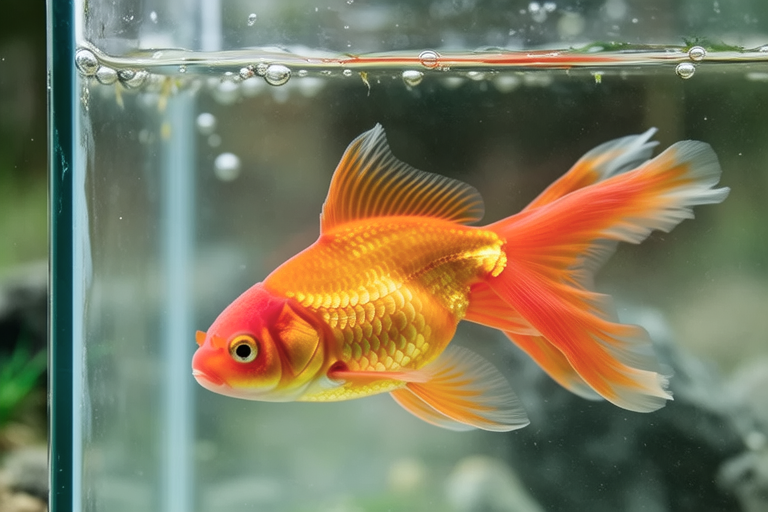
Goldfish Care 101: Tips from a Fishkeeping Expert
Welcome to the fascinating world of fishkeeping! If you’re new to the hobby, you might be wondering where to start, especially when it comes to taking care of your first goldfish. Goldfish are one of the most popular choices for beginners due to their vibrant colors and relatively easy care requirements. However, like any pet, they need proper attention and care to thrive. In this guide, we will walk you through the essentials of goldfish care, offering tips and tricks from a seasoned fishkeeping expert.
Choosing the Right Tank Size
The first step in goldfish care is selecting an appropriate tank size. Many beginners make the mistake of underestimating the space needed for their goldfish. Goldfish are active swimmers and grow quite large, so they require ample room to move around comfortably. A good rule of thumb is to provide at least 20 gallons of water per goldfish. For example, if you plan to have two goldfish, a 40-gallon tank would be ideal. This spacious environment not only ensures that your goldfish can swim freely but also helps maintain better water quality.
Water Quality Maintenance
Maintaining excellent water quality is crucial for the health and longevity of your goldfish. Regularly testing the water parameters is key. Essential parameters to monitor include ammonia, nitrite, pH, and hardness levels. Ammonia and nitrite should always read zero, as these compounds are toxic to fish. The pH level should ideally be between 6.8 and 7.4, while hardness should be within a range of 5-15 dGH. To keep the water clean, perform partial water changes weekly, removing about 20-30% of the water and replacing it with fresh, dechlorinated water. Using a water conditioner is recommended to neutralize chlorine and other harmful substances present in tap water.
Suitable Filtration Systems
A reliable filtration system is vital for maintaining water quality. There are several types of filters available, each with its own benefits. Undergravel filters, sponge filters, and power filters are commonly used for goldfish tanks. Power filters are generally preferred because they offer mechanical, biological, and chemical filtration. Mechanical filtration removes debris and uneaten food, biological filtration supports beneficial bacteria that break down waste, and chemical filtration helps eliminate toxins and odors. When choosing a filter, ensure it has adequate flow rate for your tank size to keep the water well-circulated and oxygenated.
Ideal Temperature Range
Goldfish are coldwater fish, meaning they thrive in cooler temperatures compared to tropical fish. The ideal temperature range for goldfish is between 68°F and 74°F (20°C – 23°C). It’s important to maintain a stable temperature within this range, as sudden temperature fluctuations can stress your fish. Avoid placing the tank near windows or heat sources, which can cause temperature swings. Investing in a reliable aquarium heater and thermometer is advisable to monitor and regulate the temperature accurately.
Diet Specifics
Feeding your goldfish properly is essential for their health and vitality. Goldfish are omnivores, meaning they eat both plant and animal matter. A balanced diet should consist of high-quality flake or pellet foods designed specifically for goldfish. These commercial foods provide necessary nutrients and vitamins. Additionally, you can supplement their diet with occasional treats such as blanched vegetables (like zucchini or peas) and live or frozen foods (such as bloodworms or brine shrimp). Overfeeding is a common mistake among beginners; it can lead to poor water quality and health issues. Feed your goldfish small portions twice a day, ensuring they finish eating within a few minutes. Remove any uneaten food promptly to prevent pollution.
Common Health Issues
Like any living creature, goldfish can fall ill if not cared for properly. Some common health issues include fin rot, ich, and swim bladder disorders. Fin rot is characterized by frayed or discolored fins and can be caused by poor water quality or physical damage. Ich, a parasitic infection, presents as tiny white spots on the fish’s body and fins. Swim bladder disorders cause buoyancy problems, making it difficult for the fish to swim normally. Regular maintenance, proper diet, and a stress-free environment can help prevent these issues. If you notice signs of illness, quarantine the affected fish and consult with a veterinarian specializing in aquatic animals for treatment options.
Avoiding Overcrowding
Overcrowding is one of the biggest mistakes made by new fishkeepers. It leads to increased waste production, higher ammonia levels, and reduced oxygen availability, all of which stress the fish and compromise their health. As mentioned earlier, providing ample space per fish is critical. Always consider the final adult size of your goldfish when planning your tank setup. Remember, goldfish can grow up to 10 inches long, so don’t underestimate their growth potential. Avoid adding more fish than your tank can support based on its volume and filtration capacity.
Daily Care Routine
Establishing a consistent daily care routine is fundamental for the well-being of your goldfish. Start by checking the water temperature and observing the fish for any unusual behavior. Perform a quick visual inspection of the tank, looking for algae buildup or floating debris. Next, feed your fish small amounts of food, ensuring they consume everything within a short period. After feeding, use a net to remove any uneaten food or waste. Finally, clean the glass and decorations using a soft brush or algae pad. By following this routine, you’ll stay proactive in maintaining a healthy and enjoyable environment for your goldfish.
Common Mistakes to Prevent
While caring for goldfish may seem straightforward, there are some common pitfalls that even experienced aquarists encounter. One frequent error is neglecting regular water changes, which can lead to poor water quality and disease outbreaks. Another mistake is overstocking the tank, resulting in crowded conditions不利于金鱼的健康和活力。金鱼是杂食性动物,意味着它们既吃植物性食物也吃动物性食物。均衡的饮食应包括专门为金鱼设计的高质量薄片或颗粒食品。这些商业食品提供了必要的营养和维生素。此外,你还可以用偶尔的零食来补充它们的饮食,比如煮熟的蔬菜(如西葫芦或豌豆)和活的或冷冻的食物(如血虫或卤虾)。过度喂养是初学者常见的错误;这会导致水质变差和健康问题。每天少量喂食两次,确保它们在几分钟内吃完。迅速移除任何未吃完的食物以防止污染。
常见健康问题
就像任何生物一样,金鱼如果照顾不当也会生病。一些常见的健康问题包括鳍腐病、白点病和游泳囊肿障碍。鳍腐病表现为鱼鳍边缘参差不齐或变色,可能是由于水质差或物理损伤引起的。白点病是一种寄生感染,表现为鱼体和鳍上出现微小的白色斑点。游泳囊肿障碍导致浮力问题,使鱼难以正常游泳。通过定期维护、合理饮食和保持无压力的环境可以预防这些问题。如果你注意到生病的症状,将受影响的鱼隔离,并咨询专门从事水生动物的兽医寻求治疗方案。
避免过度拥挤
过度拥挤是新手鱼饲养者最常见的错误之一。它会导致废物产生增加、氨水平升高以及氧气可用性降低,所有这些都会给鱼带来压力并损害其健康。正如前面提到的,为每条鱼提供足够的空间至关重要。计划你的水族箱设置时,请考虑金鱼的最终成年大小。记住,金鱼可以长到10英寸长,所以不要低估它们的生长潜力。避免添加超过水箱容量和过滤能力所支持的更多鱼。
日常护理常规
建立一个一致的日常护理常规对金鱼的福祉至关重要。首先检查水温,并观察鱼是否有任何异常行为。接下来,进行快速的视觉检查,寻找藻类堆积或漂浮的碎片。然后,给鱼少量的食物,确保它们在短时间内吃完。喂食后,使用网子移除任何未吃完的食物或废物。最后,用软刷或藻类垫清洁玻璃和装饰品。通过遵循这个常规,你将主动保持一个健康且愉快的环境供你的金鱼生活。
要预防的常见错误
虽然照顾金鱼看似简单,但即使是经验丰富的鱼类饲养者也会遇到一些常见的陷阱。一个常见的错误是忽视定期换水,这可能导致水质恶化和疾病爆发。另一个错误是过度填充水箱,导致拥挤的条件,这会损害金鱼的健康。为了避免这些问题,遵循上述建议并保持耐心和细心。通过学习和实践,你会逐渐掌握照顾金鱼所需的技能,享受与这些美丽生物共度的美好时光。祝你在鱼饲养之旅中取得成功!
