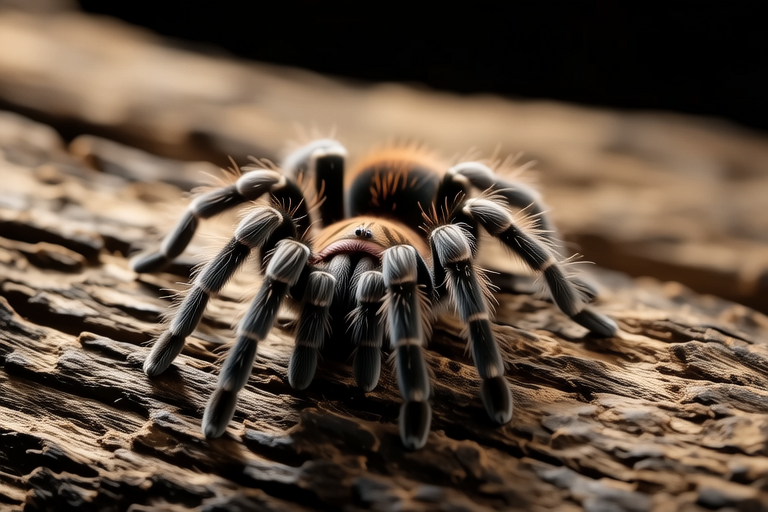
The Coolest Tarantula Species to Consider for Pet Lovers
Tarantulas have long been a fascination for many animal enthusiasts, captivating people with their unique appearance and intriguing behaviors. These large spiders, native to various habitats around the world, make fascinating pets for those who are looking for something a bit different from traditional domesticated animals. While tarantulas might seem intimidating to some, they can be rewarding companions when cared for properly. Their low maintenance requirements and relatively simple care make them an excellent choice for both novice and experienced pet owners.
Unique Characteristics and Care Requirements
Tarantulas come in a variety of sizes, colors, and temperaments, but all share some common traits that make them suitable pets. They are generally docile creatures that rarely bite unless provoked or mishandled. Unlike other pets, tarantulas don’t require daily interaction, making them ideal for busy individuals or those who prefer a more hands-off approach to pet ownership. However, it’s important to note that while tarantulas may appear intimidating, they are actually quite gentle and can even become accustomed to regular handling over time.
One of the most appealing aspects of tarantulas as pets is their minimal space requirement. A standard ten-gallon tank will suffice for most species, providing ample room for your spider to move about and establish its territory. Additionally, tarantulas do not require frequent cleaning like other pets; their enclosures need only be spot-cleaned occasionally to remove any uneaten prey or waste. The primary care requirement for tarantulas involves maintaining the right temperature and humidity levels within their enclosure, which can vary depending on the species.
Top Five Tarantula Species for Pet Lovers
1. Mexican Red Knee Tarantula (Brachypelma smithi)
The Mexican Red Knee Tarantula is one of the most popular choices among tarantula enthusiasts due to its striking appearance and manageable size. This medium-sized tarantula typically reaches lengths between 4-6 inches and boasts vibrant red markings on its legs, contrasting beautifully against its dark brown body. Its calm demeanor makes it an excellent beginner-friendly option, though it is not particularly fond of being handled.
For optimal care, maintain temperatures between 75-85°F (24-29°C) and humidity levels around 60-70%. Provide a substrate layer of coconut fiber or peat moss, ensuring there are hiding spots such as cork bark or small caves where your tarantula can retreat when needed. Feed adult Mexican Red Knees once every week or two with appropriately sized crickets or mealworms.
2. Chilean Rose Hair Tarantula (Grammostola rosea)
The Chilean Rose Hair Tarantula is another favorite among tarantula owners thanks to its gentle nature and ease of care. With a soft pinkish hue and fine hairs covering its body, this species has a more delicate look compared to others. It grows to approximately 4-6 inches in length and is known for its docile behavior, rarely displaying aggression even when disturbed.
These tarantulas thrive in environments with moderate heat (75-85°F or 24-29°C) and humidity (60-70%). Use a mix of potting soil and vermiculite for bedding, ensuring it remains moist but not waterlogged. Offer live crickets or dubia roaches weekly, adjusting frequency based on your tarantula’s appetite. Handling should be done gently, supporting its abdomen rather than lifting by the legs.
3. Guyana Pinktoe Tarantula (Avicularia avicularia)
Known for its distinctive pink toes and vibrant coloring, the Guyana Pinktoe Tarantula is an attractive addition to any collection. Reaching lengths of about 5-7 inches, this arboreal species enjoys climbing and prefers vertical spaces within its enclosure. Its playful demeanor and willingness to interact with handlers make it a favorite among experienced keepers.
Maintain temperatures ranging from 78-85°F (25-29°C) and humidity levels between 70-80%. Provide plenty of climbing structures like branches or silk plants along with a deep layer of coconut coir or sphagnum moss for burrowing. Feed juveniles twice weekly with small crickets, increasing the interval to once per week for adults. Always handle carefully, allowing them to climb onto your hand instead of picking up abruptly.
4. Goliath Birdeater (Theraphosa blondi)
The Goliath Birdeater is perhaps the most famous tarantula species due to its immense size – females can grow up to 11 inches in leg span! Despite its fearsome reputation, this giant spider is surprisingly docile and responds well to gentle handling. However, owning a Goliath Birdeater requires significant commitment, including providing ample space and appropriate diet.
Keep these giants warm (80-90°F or 27-32°C) and humid (70-80%), using a combination of mulch and sphagnum moss as substrate. Offer large insects such as superworms or locusts regularly, supplementing occasionally with pinkies or fuzzies if necessary. Due to their size, ensure enclosures are escape-proof and secure. Handling should be limited to avoid stressing out the spider.
5. Cobalt Blue Tarantula (Haplopelma lividum)
Named for its stunning blue coloration, the Cobalt Blue Tarantula is highly sought after by collectors despite being one of the more aggressive species available. Growing to around 5-6 inches in length, this tarantula exhibits defensive behaviors such as rearing up and flicking urticating hairs when threatened. For this reason, it’s recommended only for experienced hobbyists who understand proper handling techniques.
Provide stable conditions with temperatures between 78-85°F (25-29°C) and humidity near 75-85%. Use a mixture of organic potting soil and orchid bark for bedding, ensuring adequate ventilation. Feed young cobalts every few days with small crickets or flies, reducing frequency as they mature. Handle cautiously, approaching slowly from below and allowing them to walk onto your hand.
Setting Up an Appropriate Habitat
When preparing an enclosure for your tarantula, consider factors such as size, ventilation, and environmental control. Start by selecting a glass aquarium or terrarium with a secure lid to prevent escapes. Add a layer of substrate at least four inches deep, choosing materials like coconut fiber, peat moss, or vermiculite depending on your tarantula’s preferences.
Incorporate climbing structures or hiding spots tailored to your specific species’ needs. Many ground-dwelling tarantulas appreciate flat rocks or cork bark pieces for shelter, while arboreal varieties benefit from vertical branches or artificial vines. Install a heating pad or under-tank heater to maintain consistent temperatures throughout the enclosure. Monitor humidity levels using hygrometers placed inside the tank, adjusting as needed through misting or adding moisture-retaining substrates.
Feeding Habits and Handling Advice
Feeding schedules depend largely upon the age and size of your tarantula. Juvenile tarantulas generally eat more frequently than adults, requiring smaller prey items like fruit flies or pinhead crickets several times per week. As they grow larger, switch to bigger insects such as dubia roaches or superworms, offering meals every few days.
Handling your tarantula should always be done carefully to minimize stress. Approach slowly from below, allowing the spider to climb onto your hand rather than picking it up suddenly. Never grab your tarantula by its legs; instead, support its abdomen gently. Always wash hands before and after handling to avoid transferring oils or residues that could harm your pet.
Considerations for Potential Owners
Before bringing home a tarantula, take into account the level of commitment required. While tarantulas are relatively low-maintenance compared to other pets, they still demand attention to detail regarding their environment and dietary needs. Research thoroughly about local laws concerning exotic animal ownership in your area, as regulations vary widely across regions.
Some areas prohibit certain species entirely due to concerns over invasive potential or public safety. Others impose restrictions on how many pets you can own simultaneously or require permits for housing non-native wildlife. Always check with local authorities before purchasing any new pet to ensure compliance with all applicable rules and regulations.
