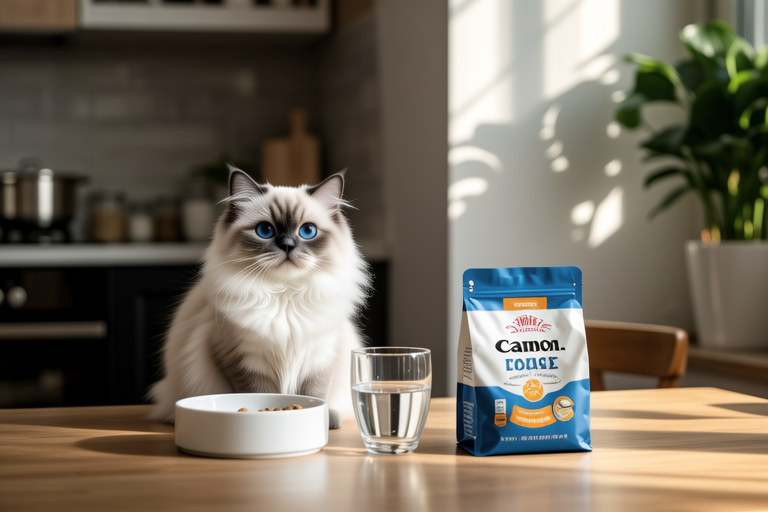
The Ultimate Guide to Feeding Your Persian Cat for Optimal Health
Understanding Persian Cats’ Nutritional Needs
Persian cats are known for their luxurious coats and regal appearance. However, maintaining their health and beauty requires a well-balanced diet tailored to their specific nutritional needs. These cats have unique requirements due to their genetic predispositions, including potential issues with urinary tract health and obesity. Ensuring they receive the right nutrients is crucial for their overall well-being.
Recommended Diets: Wet vs Dry Food
Choosing between wet and dry food can be confusing. Wet food provides higher moisture content, which is beneficial for maintaining hydration levels in Persians. It also aids in promoting better urinary tract health. On the other hand, dry food helps keep teeth clean and supports dental hygiene. A combination of both might be ideal, but it’s essential to consult your veterinarian to determine what suits your Persian best.
Portion Control
Overfeeding can lead to obesity, a common issue among Persian cats. Obesity increases the risk of diabetes, arthritis, and heart disease. To prevent overfeeding, measure out meals carefully and avoid free-feeding. Adjust portions based on your cat’s age, activity level, and body condition score. Regular weigh-ins can help monitor progress and ensure your Persian remains at an optimal weight.
The Importance of Hydration
Hydration plays a critical role in maintaining kidney function and preventing urinary tract infections. Since Persian cats are prone to urinary tract problems, ensuring adequate water intake is vital. Encouraging water consumption through wet food and providing multiple water sources around the house can help maintain proper hydration levels.
Avoiding Harmful Foods
Certain human foods can be toxic to cats. Chocolate, caffeine, alcohol, onions, garlic, and grapes should never be given to Persians. Additionally, avoid feeding them raw fish, as it can cause thiamine deficiency leading to neurological symptoms. Always check with your vet before introducing new foods into your cat’s diet.
Integrating Supplements
Supplements can enhance your Persian’s diet if needed. Omega-3 fatty acids support skin and coat health, while probiotics aid digestion. However, supplementation should only occur under veterinary guidance to ensure safety and effectiveness. Over-supplementing can lead to adverse effects, so always consult your vet before adding any supplements to your cat’s regimen.
Signs of a Healthy Diet
A healthy diet will show in your Persian’s overall appearance. Look for a shiny coat, clear eyes, and healthy-looking gums. Regular bowel movements and stable energy levels are also indicators of good health. If you notice changes such as dull fur, lethargy, or digestive issues, consult your vet immediately.
Tips for Transitioning Diets
When switching your Persian from one type of food to another, do so gradually over about a week. Start by mixing small amounts of the new food with the old, increasing the proportion of new food each day until the transition is complete. This method helps prevent digestive upset and ensures your cat adapts smoothly to the new diet.
Managing Allergies or Sensitivities
Allergies and sensitivities can manifest through skin irritation, digestive issues, or respiratory problems. Identifying the trigger is crucial for managing these conditions effectively. Common allergens include certain proteins (like chicken or beef) and grains. Your vet may recommend hypoallergenic diets or specialized prescription foods designed to address specific sensitivities. Regular monitoring and communication with your vet are key to managing allergies successfully.
