The Ultimate Guide: Training Tricks Every Fancy Rat Owner Should Know
Understanding Basic Rat Behavior
Fancy rats, also known as laboratory rats or domesticated brown rats, are highly intelligent and social animals. They are naturally curious and enjoy exploring their environment. Understanding your rat’s behavior is key to successful training. Rats are crepuscular, meaning they are most active during dawn and dusk, which can be a good time to train them. They communicate through various vocalizations, body language, and scent marking. Recognizing these behaviors helps in building trust and effective communication.
Rats are also social creatures and thrive in pairs or groups. This social nature makes them excellent candidates for training, as they learn quickly from each other and from humans. However, it’s important to note that each rat has its own personality, so what works for one might not work for another.
Essential Training Equipment
To start training your fancy rat, you’ll need some basic equipment:
- Treats: Use small, healthy treats such as pieces of fruits, vegetables, or specially formulated rodent treats. Avoid sugary or fatty snacks.
- Clicker: A clicker is an essential tool for positive reinforcement training. It provides a consistent sound that marks the exact moment your rat does something right.
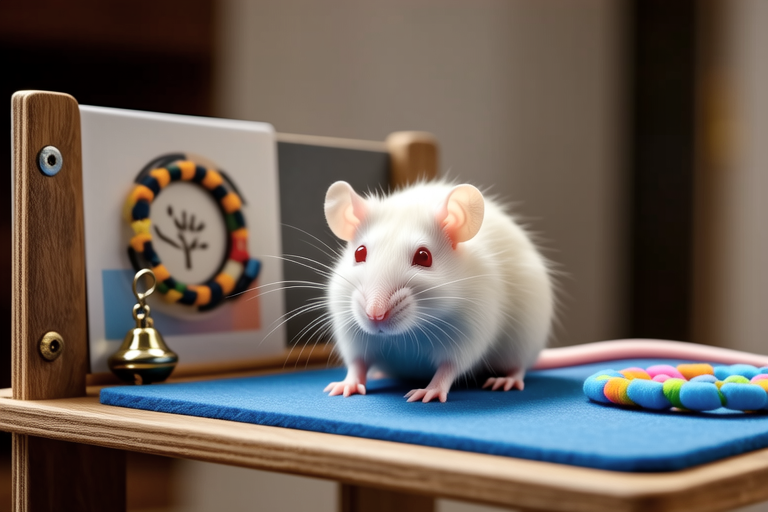
- Training mat: A small, soft mat or towel can serve as a designated training area, helping your rat understand where to focus during training sessions.
- Leash and harness: For advanced training, such as teaching your rat to walk on a leash, you will need a properly fitted harness and leash designed for small animals.
Ensure all equipment is safe and comfortable for your rat. Always supervise training sessions to prevent accidents.
Step-by-Step Instructions for Basic Commands
Come When Called
- Start with the clicker: Begin by clicking the clicker and immediately offering your rat a treat. Repeat this several times until your rat associates the click with a reward.
- Call your rat: Say your rat’s name or a specific command word, then click and reward as soon as your rat moves towards you. Keep the session short and positive.
- Gradually increase distance: Once your rat reliably comes to you in close proximity, gradually increase the distance between you and your rat, always rewarding success.
This exercise builds trust and strengthens the bond between you and your rat.
Using a Litter Box
- Select a suitable litter box: Choose a litter box that is easy for your rat to enter and exit. A shallow tray or a small cat litter box with low sides works well.
- Introduce the litter box: Place the litter box in a corner of your rat’s enclosure where they typically relieve themselves. Sprinkle some bedding or substrate from their enclosure into the litter box to familiarize them with the scent.
- Encourage usage: When you see your rat sniffing around the litter box, gently guide them inside. If they use the litter box, click and reward them. Over time, they will learn to associate the litter box with positive experiences.
Persistence and consistency are key in this process.
Tips for Positive Reinforcement
Positive reinforcement is the foundation of effective rat training. It involves rewarding desired behaviors to encourage repetition. Here are some tips:
- Be timely: Reward your rat immediately after the desired behavior to ensure they associate the action with the reward.
- Vary rewards: Use different types of treats and praise to keep your rat engaged and motivated.
- Keep sessions short: Rats have short attention spans, so keep training sessions brief but frequent.
- Stay patient: Every rat learns at their own pace, so be patient and consistent.
By focusing on positive interactions, you create a nurturing environment that encourages learning and bonding.
Common Challenges Faced During Training
While training can be rewarding, it’s not without its challenges:
- Lack of interest: If your rat seems disinterested, try changing the location, using different treats, or making the training more interactive.
- Distractions: Minimize distractions during training sessions to help your rat focus. Find a quiet, controlled space for practice.
- Overstimulation: Signs of overstimulation include pacing, hiding, or aggressive behavior. Take breaks if your rat shows signs of stress.
Addressing these challenges requires patience and adaptability. Tailor your approach to suit your rat’s needs.
Keeping Training Sessions Engaging and Fun
Making training sessions enjoyable ensures both you and your rat stay engaged:
- Incorporate play: Use toys and games to make training feel like playtime. Hide treats in puzzles or tunnels to encourage exploration.
- Use variety: Change up the locations and activities to keep things fresh and exciting.
- Practice together: Spend quality time with your rat outside of training sessions. Building a strong relationship enhances training outcomes.
Remember, the goal is to strengthen your bond while teaching your rat new skills.
